
Austin to Masaya
Masaya → AustinFTL freight transportation service between Austin and Masaya. Reliable logistics solutions for your business.
Route Description
Everything you need to know about the corridor Austin - Masaya
The logistics corridor connecting Austin, Texas to Masaya, Nicaragua represents a vital cross-border trade route spanning approximately 2,363 kilometers. This corridor serves as a crucial link between the industrial powerhouse of Central Texas and the growing manufacturing hub of Nicaragua, facilitating the movement of diverse cargo types including automotive parts, electronics, and consumer goods. The route traverses major transportation networks through Mexico, requiring careful coordination of cross-border operations and customs compliance.
The economic significance of this corridor continues to grow as trade relations strengthen between the United States and Central American markets. Austin's thriving technology sector and Masaya's expanding industrial base create complementary demand for reliable freight transportation services. Key industries utilizing this route include automotive manufacturing, electronics, textiles, and agricultural products, with particular emphasis on just-in-time delivery requirements for manufacturing supply chains.
Transportation infrastructure along this corridor includes major highways such as Mexico's Federal Highway 85 and CA-1 in Central America, providing reliable connectivity between origin and destination. Control Terrestre's expertise in managing cross-border operations ensures seamless transitions through customs checkpoints and compliance with all regulatory requirements. Our dedicated FTL services eliminate handling risks and provide consistent transit times, while our certified transportation partners maintain the highest standards of safety and reliability throughout the journey.
Services for this Route
Available services for the corridor Austin - Masaya
 Origin
Austin
Austin, Texas serves as a strategic logistics hub in the heart of Central Texas, offering exceptional connectivity to major markets across North America. The city's robust transportation infrastructure includes multiple interstate highways (I-35, SH-130, US-290) and proximity to major air cargo facilities at Austin-Bergstrom International Airport. Austin's diverse economy, anchored by technology, manufacturing, and healthcare sectors, generates consistent freight demand for both domestic and international shipments. The region's business-friendly environment and skilled workforce make it an ideal origin point for time-sensitive and high-value cargo requiring reliable transportation solutions.
 Destination
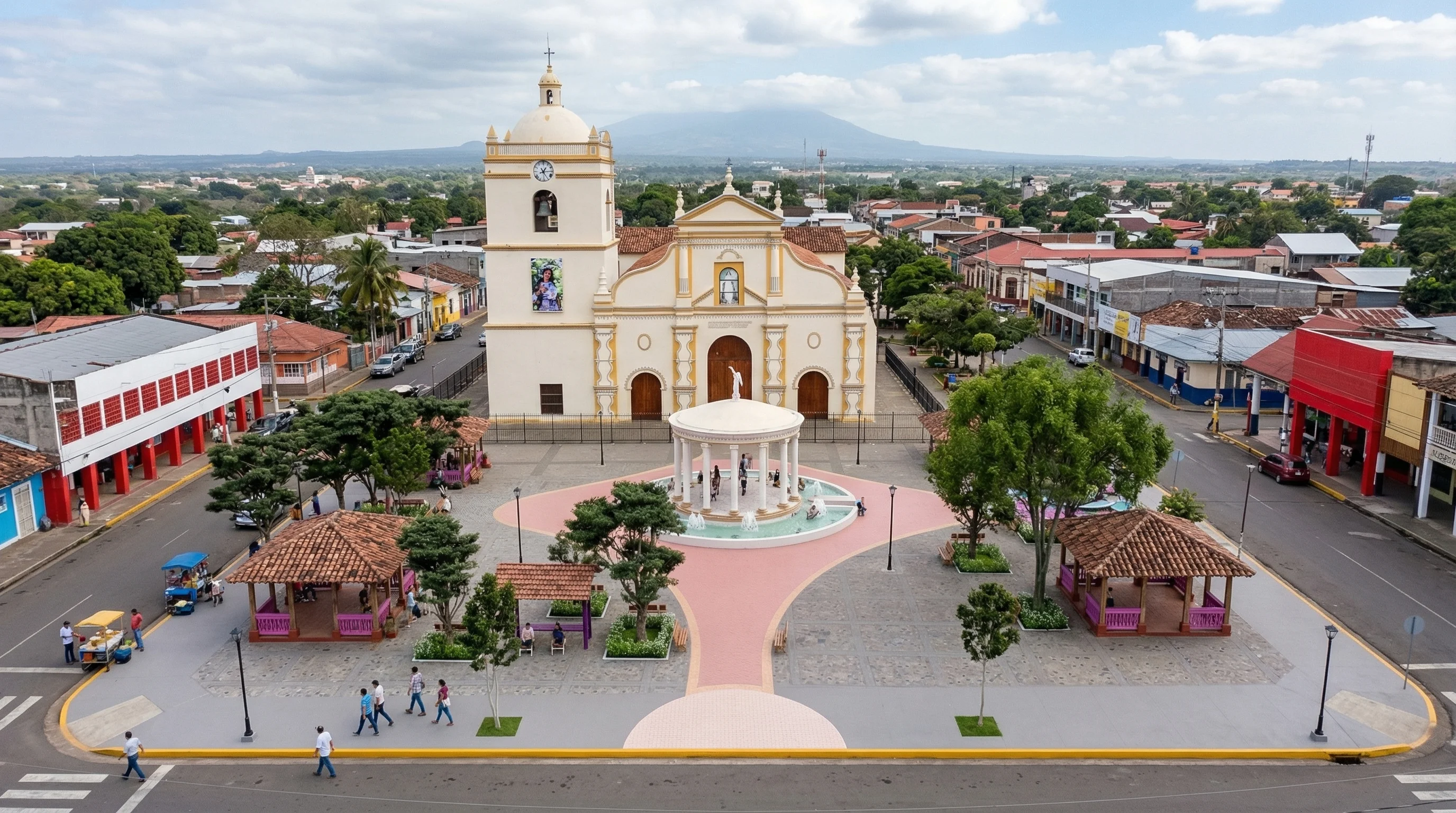
Masaya, Nicaragua occupies a strategic position in Central America's growing logistics network, serving as a gateway to regional markets. The city benefits from Nicaragua's improving transportation infrastructure, including access to the Pan-American Highway and proximity to the Pacific port of Corinto. Masaya's industrial sector has experienced significant growth, particularly in manufacturing, textiles, and agricultural processing, creating substantial demand for reliable freight services. The region's developing free trade agreements and competitive labor costs continue to attract international investment, making efficient cross-border transportation increasingly essential for supply chain optimization.










