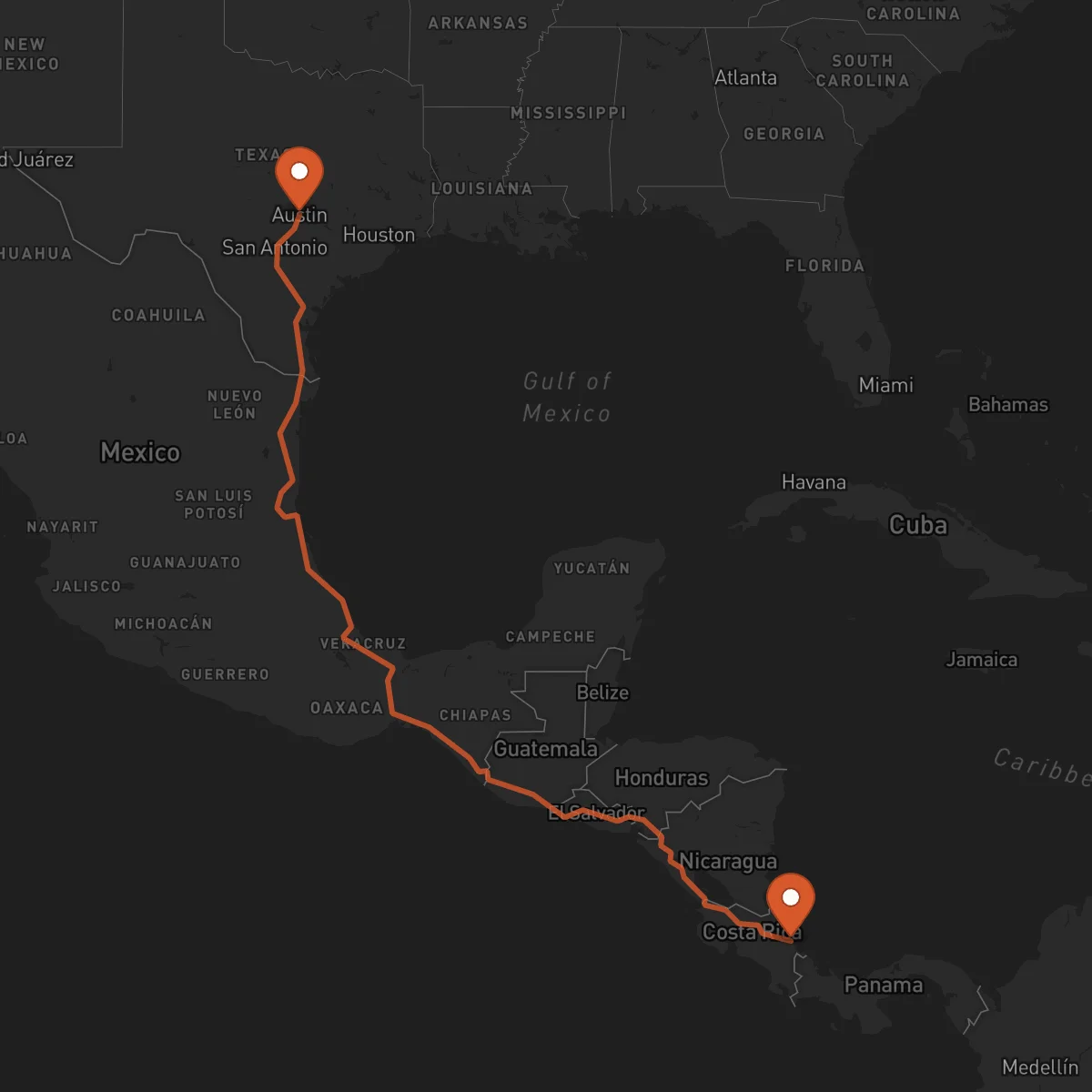
Austin to Limón
Limón → AustinFTL freight transportation service between Austin and Limón. Reliable logistics solutions for your business.
Route Description
Everything you need to know about the corridor Austin - Limón
The logistics corridor connecting Austin, Texas, to Limón, Costa Rica, represents a vital cross-border transportation route spanning approximately 2,721 kilometers. This corridor serves as a crucial link between the industrial powerhouse of Central Texas and the Caribbean gateway of Costa Rica, facilitating the movement of goods between North and Central America. The route traverses diverse landscapes and crosses multiple international borders, requiring specialized expertise in cross-border logistics and customs procedures.
The economic significance of this corridor is substantial, connecting Austin's thriving technology and manufacturing sectors with Limón's strategic position as Costa Rica's primary Caribbean port. This route supports the exchange of high-value electronics, automotive components, and industrial machinery from Texas, alongside agricultural products, consumer goods, and raw materials flowing in both directions. The corridor plays a critical role in supporting the growing trade relationships between the United States and Central American markets.
Key transportation infrastructure along this corridor includes major highways such as Mexico's Federal Highway 190 and Costa Rica's Route 32, which provide reliable connections through the region. The route involves strategic border crossings, including those between the United States and Mexico, as well as Guatemala and Honduras, before entering Costa Rica. Control Terrestre's expertise in managing these complex border transitions ensures seamless cargo movement, with our certified carriers handling all customs documentation, compliance requirements, and regulatory procedures to maintain efficient transit times and minimize potential delays.
Services for this Route
Available services for the corridor Austin - Limón
 Origin
Austin
Austin, Texas, serves as a strategic logistics hub in the heart of Central Texas, combining robust transportation infrastructure with a dynamic economic environment. The city's location provides excellent connectivity through major highways including I-35, which runs north-south through the city, and State Highway 130, offering alternative routes around the metropolitan area. Austin-Bergstrom International Airport complements the ground transportation network, supporting air cargo operations for time-sensitive shipments.
The Austin metropolitan area is home to a diverse industrial base, with technology and electronics manufacturing leading the way, earning it the nickname "Silicon Hills." The region hosts major semiconductor facilities, data centers, and advanced manufacturing plants. Additionally, Austin's economy includes significant healthcare technology, aerospace, and automotive sectors, all of which generate substantial freight transportation demand. The city's growing population and business-friendly environment continue to attract new industries, further strengthening its position as a key origin point for cross-border freight movements.
 Destination
Limón
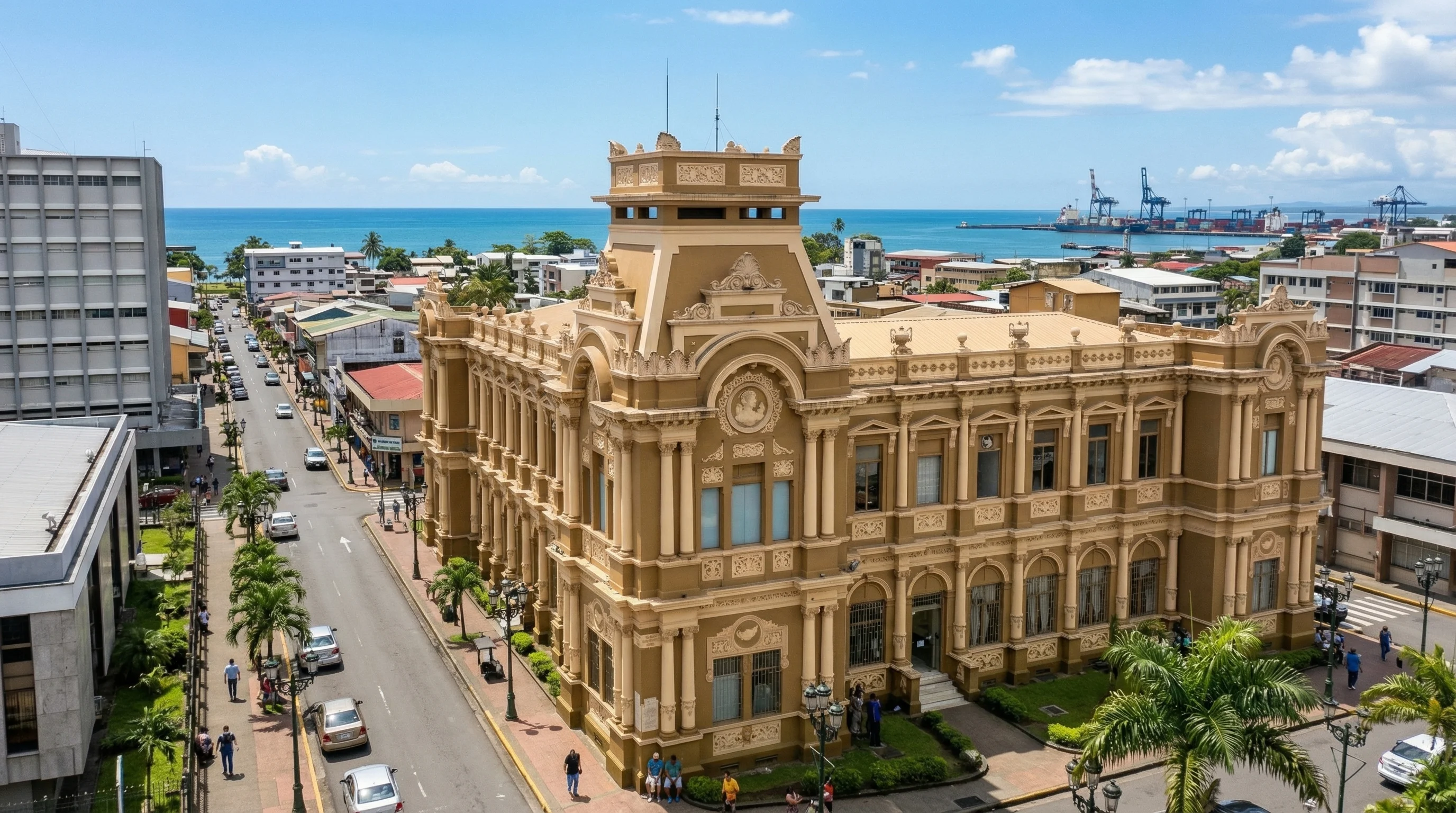
Limón, Costa Rica, occupies a strategic position as the country's primary Caribbean port city and a gateway to Central American markets. The port of Limón handles the majority of Costa Rica's maritime cargo, providing deep-water facilities capable of accommodating modern container vessels and bulk carriers. The city's connectivity is enhanced by Route 32, a modern highway linking Limón to San José and the rest of the country, facilitating efficient inland distribution.
The economic landscape of Limón centers around port operations, with significant activity in import/export logistics, warehousing, and distribution services. The region supports various industries including agricultural exports such as bananas and pineapples, which are major contributors to Costa Rica's economy. Additionally, Limón's free trade zone and industrial parks attract manufacturing and assembly operations, creating demand for both inbound raw materials and outbound finished products. The city's multicultural heritage and Caribbean influence also support a growing tourism sector, which influences freight patterns for hospitality and retail industries.










