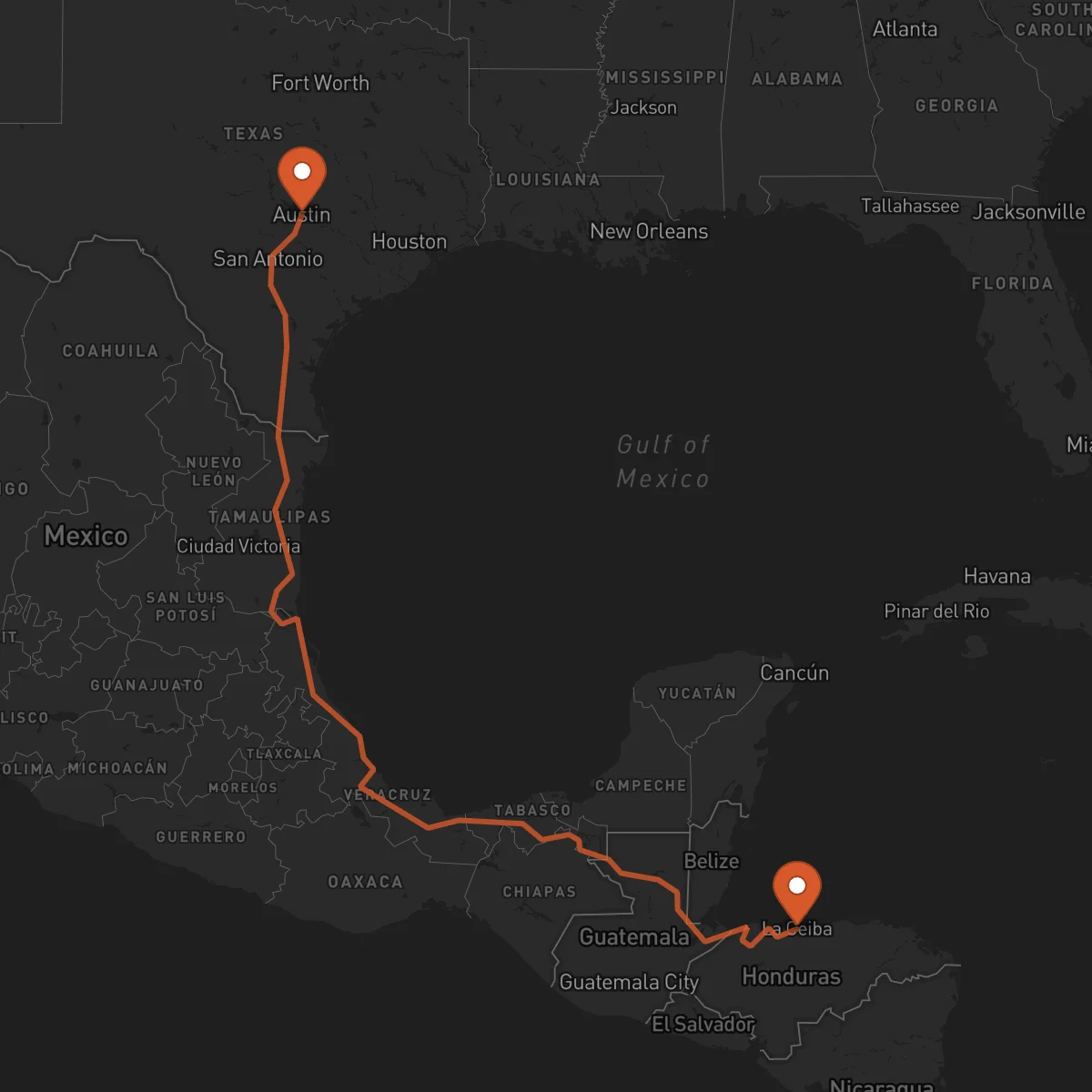
Austin to La Ceiba
La Ceiba → AustinFTL freight transportation service between Austin and La Ceiba. Reliable logistics solutions for your business.
Route Description
Everything you need to know about the corridor Austin - La Ceiba
The logistics corridor connecting Austin, Texas, with La Ceiba, Honduras, represents a vital trade route for companies operating between North and Central America. This cross-border corridor spans approximately 1,961 kilometers and facilitates the movement of goods through a combination of U.S. and Mexican highways before reaching Honduran ports. The route serves as a critical link for businesses seeking to expand their market presence from the central United States to the Caribbean coast of Honduras.
The economic significance of this corridor is substantial, connecting Austin's thriving technology and manufacturing sectors with La Ceiba's growing import/export activities. Austin serves as a major hub for electronics, aerospace components, and industrial equipment, while La Ceiba functions as a key entry point for goods destined for Honduras and neighboring countries. The corridor supports industries including automotive parts, consumer electronics, agricultural equipment, and industrial machinery.
Transportation along this corridor primarily utilizes major highways including I-35 from Austin to the Mexican border, followed by Mexican Federal Highways and Central American routes. Key border crossings include Laredo/Nuevo Laredo or Brownsville/Matamoros, depending on the specific logistics strategy. Control Terrestre's expertise in cross-border operations ensures seamless customs clearance and compliance with all regulatory requirements, minimizing delays and optimizing transit times for our clients' shipments.
Services for this Route
Available services for the corridor Austin - La Ceiba
 Origin
Austin
Austin, Texas, stands as a strategic logistics hub in the central United States, offering exceptional connectivity through multiple transportation modes. The city's location at the intersection of major highways, including I-35, provides direct access to both the Mexican border and other key U.S. markets. Austin's robust infrastructure includes Austin-Bergstrom International Airport, extensive rail connections, and proximity to major ports in Houston and Corpus Christi, making it an ideal origin point for cross-border freight operations.
The city's economy is characterized by a diverse industrial base, with particular strength in technology, manufacturing, and aerospace sectors. Austin has earned its reputation as a tech hub, hosting numerous electronics manufacturers, semiconductor companies, and innovative startups. This industrial diversity creates consistent demand for freight transportation services, particularly for specialized cargo and time-sensitive shipments that require dedicated truckload solutions.
 Destination
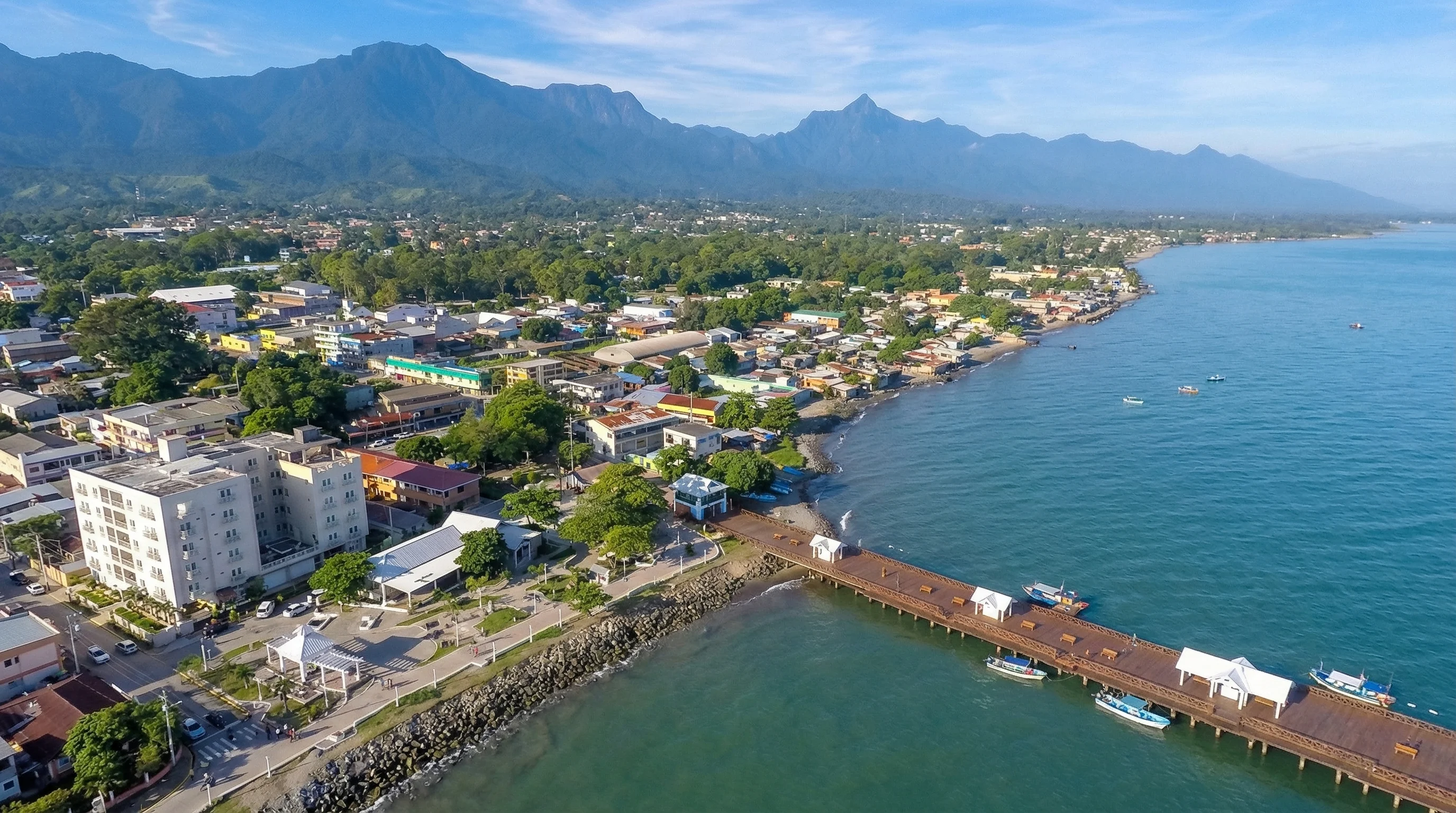
La Ceiba, located on Honduras' Caribbean coast, serves as a crucial logistics gateway for the country and surrounding Central American markets. The city's strategic position provides direct access to maritime shipping routes, with its port facilities handling both import and export activities for the region. La Ceiba's transportation infrastructure includes connections to major highways leading to San Pedro Sula and the capital, Tegucigalpa, facilitating distribution throughout Honduras and neighboring countries.
The local economy benefits from a mix of tourism, agriculture, and light manufacturing, creating diverse freight transportation needs. La Ceiba's port is particularly important for agricultural exports, including tropical fruits and seafood, as well as imports of consumer goods, construction materials, and industrial equipment. The city's role as a logistics hub makes it an essential destination for companies seeking to establish or expand their presence in Central American markets.










