
Austin to Jutiapa
Jutiapa → AustinFTL freight transportation service between Austin and Jutiapa. Reliable logistics solutions for your business.
Route Description
Everything you need to know about the corridor Austin - Jutiapa
The logistics corridor connecting Austin, Texas, with Jutiapa, Guatemala, represents a vital cross-border freight transportation route spanning approximately 1,952 kilometers. This corridor serves as a critical link between the industrial powerhouse of Central Texas and the agricultural and manufacturing regions of southeastern Guatemala. The route traverses diverse terrain and crosses multiple international borders, requiring specialized expertise in cross-border logistics operations.
The transportation infrastructure along this corridor includes major interstate highways in the United States, connecting to key Mexican highways such as the Carretera Federal 190 and Carretera Federal 185. The route continues through southern Mexico before entering Guatemala via the El Carmen border crossing. From there, it proceeds through Guatemala's highway network to reach Jutiapa. Control Terrestre's extensive experience with cross-border operations ensures seamless coordination across all jurisdictions, managing customs documentation, compliance requirements, and regulatory variations between the United States, Mexico, and Guatemala.
This corridor primarily serves industries including automotive parts manufacturing, agricultural products, textiles, and consumer goods. Companies in Austin's growing technology and manufacturing sectors rely on this route to distribute products throughout Central America, while Guatemalan businesses use it to access North American markets. The route's strategic importance is amplified by its connection to major ports and distribution centers, making it essential for companies seeking integrated supply chain solutions between North and Central America.
Services for this Route
Available services for the corridor Austin - Jutiapa
 Origin
Austin
Austin, Texas, serves as a strategic logistics hub in the heart of Central Texas, offering exceptional connectivity through multiple transportation modes. The city's location provides direct access to major interstate highways including I-35, which runs north-south through the city and connects to the broader U.S. highway network. Austin-Bergstrom International Airport offers air freight capabilities, while the nearby Port of Houston provides ocean freight access approximately three hours away. The region's robust infrastructure supports the movement of full truckload freight to both domestic and international destinations.
The Austin metropolitan area is home to a diverse economic base including technology companies, semiconductor manufacturing, healthcare, and higher education institutions. The presence of major employers and a skilled workforce has created a dynamic business environment that generates substantial freight transportation demand. The city's proximity to Mexico and its position within the NAFTA/USMCA trade framework make it an ideal origin point for cross-border freight operations to Central America.
 Destination
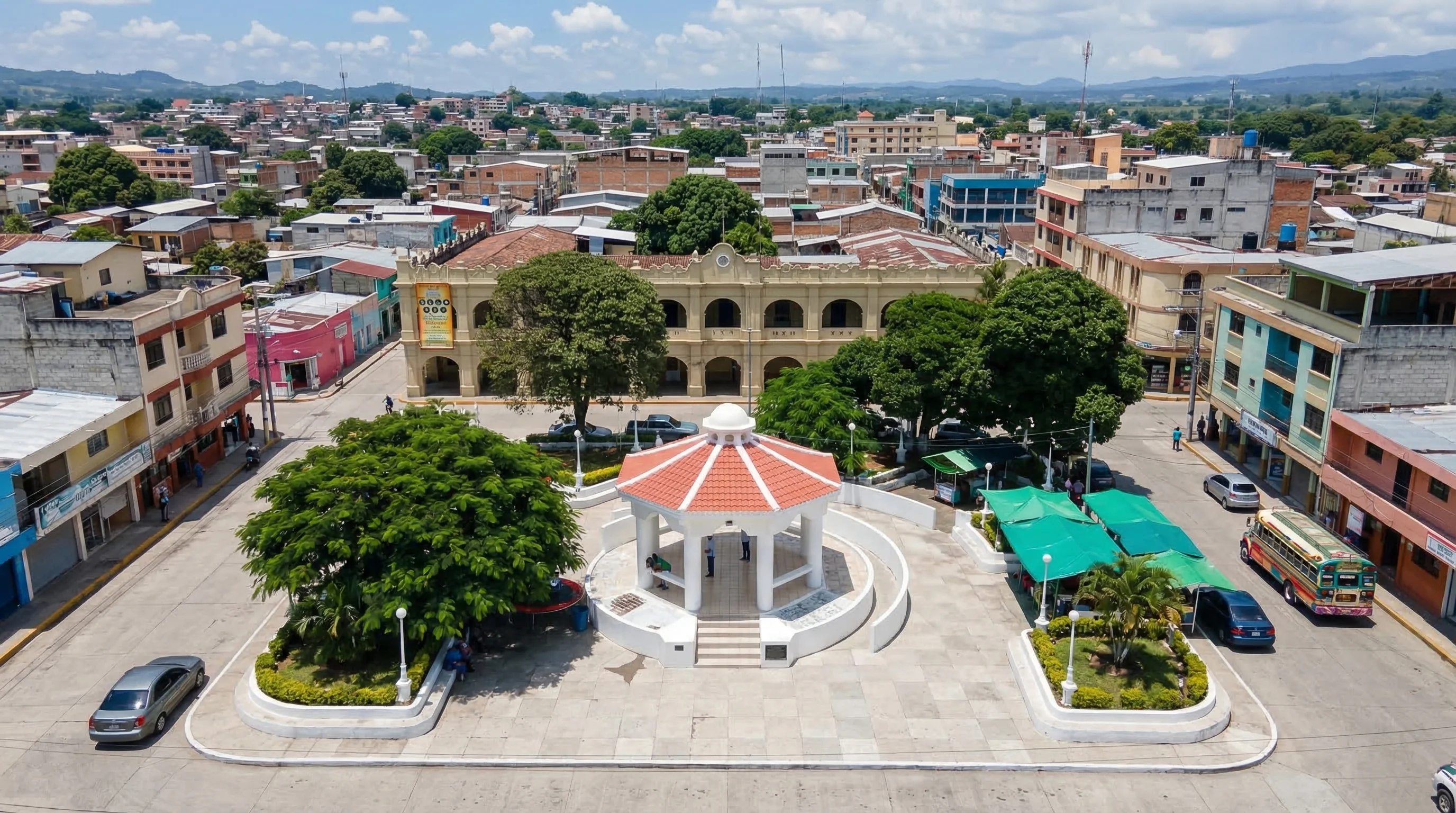
Jutiapa, located in southeastern Guatemala, occupies a strategic position that makes it an important logistics node for regional distribution. The city serves as a gateway to Guatemala's eastern and southern regions, with road connections to the capital city of Guatemala City and to the Pacific coast. The local transportation infrastructure includes access to Guatemala's CA-9 highway, which provides north-south connectivity through the country, and secondary roads that connect to agricultural and industrial zones in the surrounding departments.
The economic profile of Jutiapa and the surrounding region centers on agriculture, including coffee, sugarcane, and various tropical products, as well as light manufacturing and food processing industries. The area's proximity to El Salvador and Honduras creates opportunities for tri-border trade and distribution. For companies operating in Central America, Jutiapa represents a strategic inland location that can serve as a distribution hub for products destined for other parts of Guatemala and neighboring countries.










