
Austin to Chiquimula
Chiquimula → AustinFTL freight transportation service between Austin and Chiquimula. Reliable logistics solutions for your business.
Route Description
Everything you need to know about the corridor Austin - Chiquimula
The logistics corridor connecting Austin, Texas, to Chiquimula, Guatemala, represents a vital cross-border trade route spanning approximately 1,914 kilometers. This corridor serves as a crucial link between the industrial powerhouse of central Texas and the growing economic hub of eastern Guatemala. The route traverses diverse terrain and crosses multiple international borders, making it an essential pathway for businesses engaged in North American and Central American trade. Control Terrestre specializes in facilitating seamless freight transportation along this corridor, ensuring that cargo moves efficiently through each stage of the journey.
The economic significance of this corridor extends beyond simple transportation. Austin serves as a major technology and manufacturing center, while Chiquimula acts as a strategic gateway to Guatemala's eastern regions and neighboring countries. The corridor supports various industries including automotive, electronics, agricultural products, and consumer goods. Major highways such as Interstate 35, US-77, and Mexican Federal Highways provide the backbone for this transportation route, connecting to Guatemala's CA-9 highway network. The corridor's importance is further enhanced by key border crossings at Laredo/Nuevo Laredo and Ciudad Hidalgo/El Amatillo, where Control Terrestre's expertise in customs procedures ensures smooth transitions through international checkpoints.
Transportation infrastructure along this route includes modern highway systems, intermodal facilities, and established logistics networks. The corridor benefits from Mexico's well-developed highway system and Guatemala's improving road infrastructure. Control Terrestre leverages this infrastructure through our network of certified carriers and strategic partnerships, providing reliable full truckload (FTL) services. Our team manages all aspects of cross-border operations, including documentation, customs clearance, and compliance with international regulations. This comprehensive approach ensures that shipments maintain their integrity and schedule throughout the entire journey from Austin to Chiquimula.
Services for this Route
Available services for the corridor Austin - Chiquimula
 Origin
Austin
Austin, Texas, stands as a strategic logistics hub in the heart of central Texas, offering exceptional connectivity and infrastructure for freight transportation. The city's location along Interstate 35 provides direct access to major markets throughout Texas and the southern United States. Austin's robust transportation network includes multiple interstate highways, a major international airport, and extensive rail connections through Union Pacific. The city's economic landscape is dominated by technology, manufacturing, and healthcare industries, creating consistent demand for freight services. Austin's growing population and business environment have led to continuous improvements in logistics infrastructure, including modern warehousing facilities and distribution centers that support efficient cargo handling and storage.
 Destination
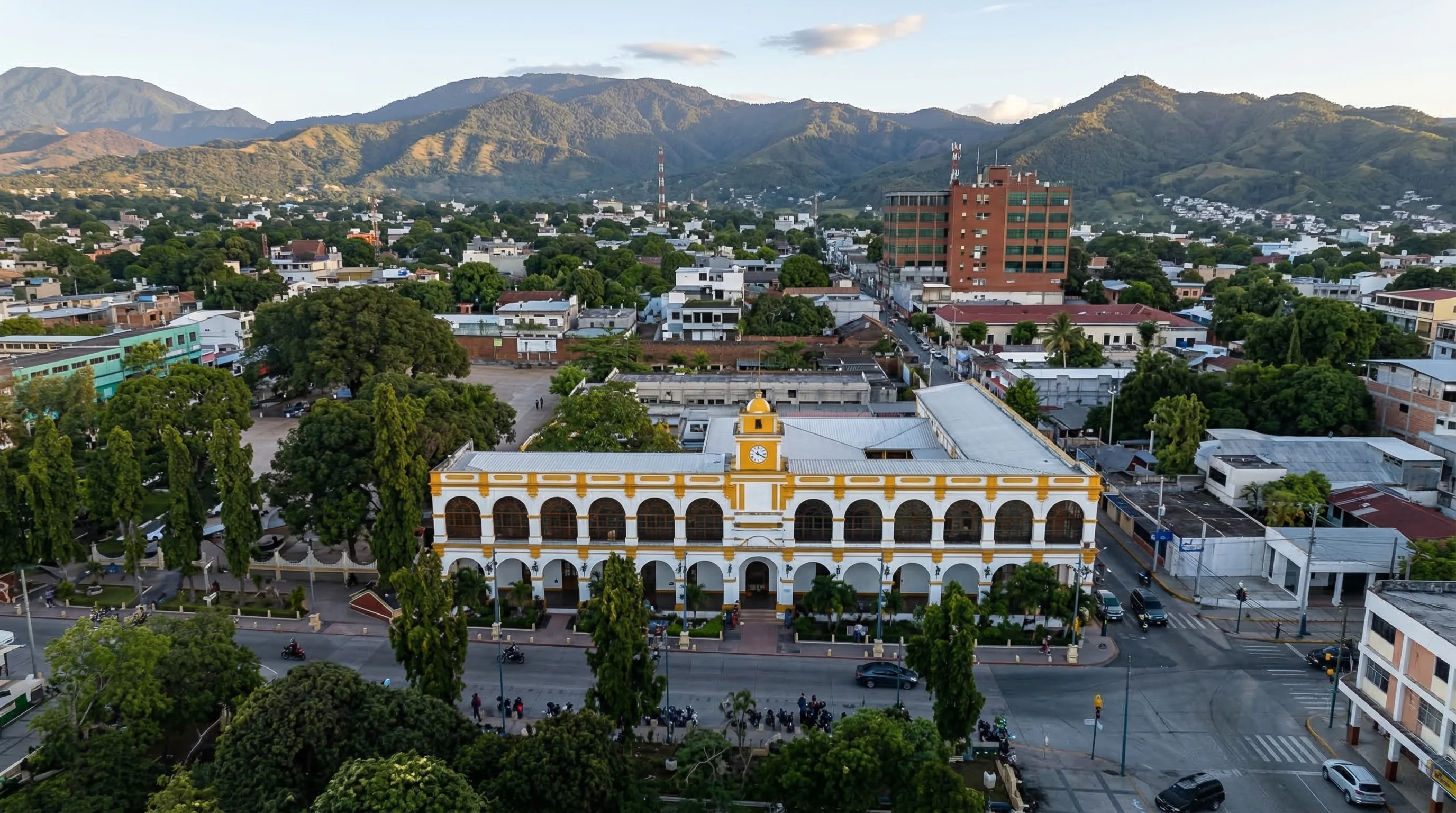
Chiquimula
Chiquimula, Guatemala, serves as a strategic logistics center in eastern Guatemala, positioned advantageously for regional distribution. The city's location along Guatemala's CA-9 highway provides crucial connectivity to the Caribbean coast and neighboring countries. Chiquimula's transportation infrastructure includes well-maintained highways connecting to Guatemala City and the El Salvador border. The region's economy is characterized by agricultural production, light manufacturing, and growing commercial activities. The city's proximity to major border crossings makes it an ideal distribution point for goods entering or leaving Guatemala. Local logistics providers and warehousing facilities support the efficient handling of freight, while ongoing infrastructure improvements continue to enhance the region's capacity for international trade.










