Atlanta to Colima
Colima → AtlantaFTL freight transportation service between Atlanta and Colima. Reliable logistics solutions for your business.
Route Description
Everything you need to know about the corridor Atlanta - Colima
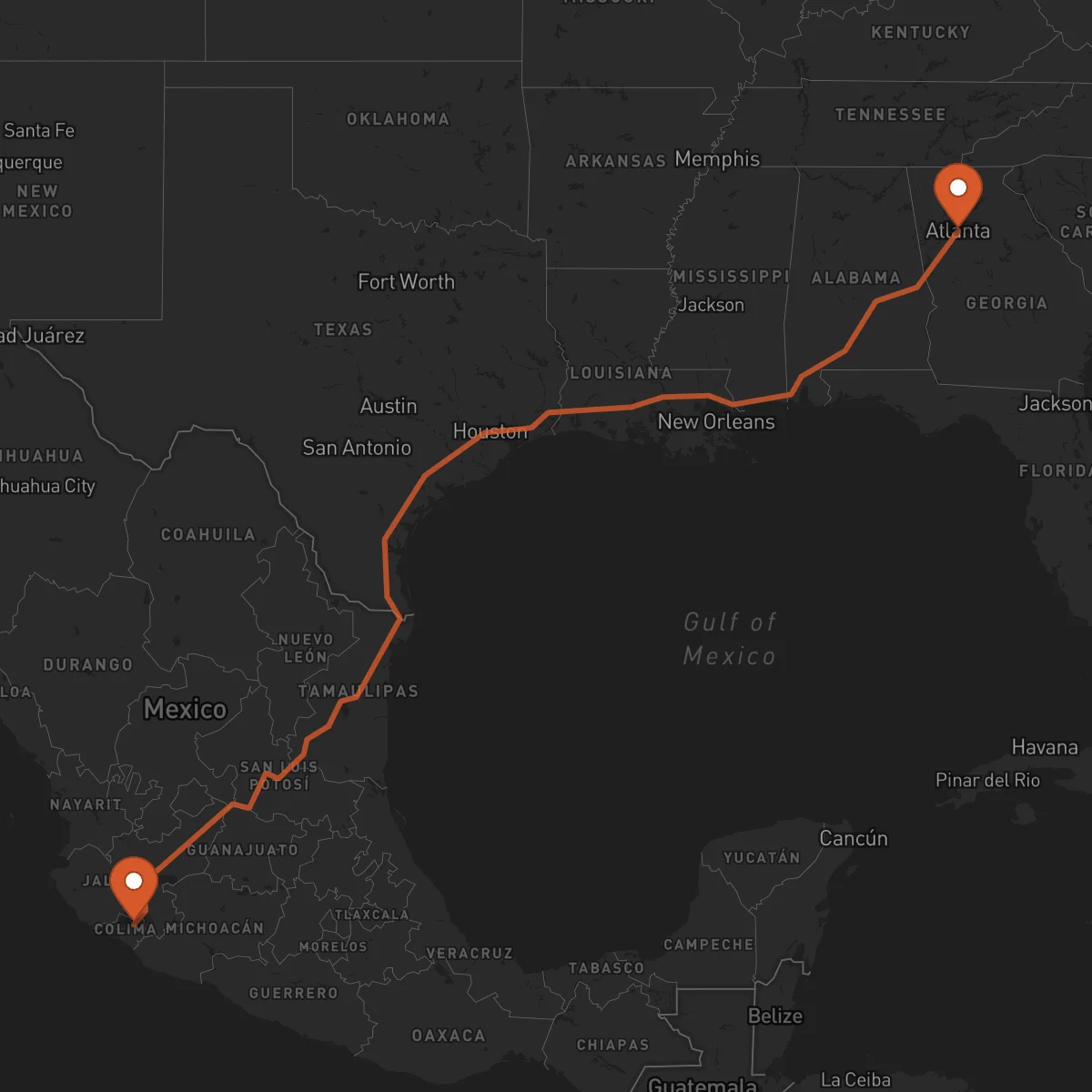
The Atlanta-Colima logistics corridor represents a vital trade connection between the southeastern United States and western Mexico. This cross-border route spans approximately 2,502 kilometers, facilitating the movement of goods between two dynamic economic regions. Atlanta serves as a major logistics hub with its extensive transportation infrastructure, while Colima represents an emerging industrial center in Mexico's Pacific region. The corridor supports significant trade volumes in automotive parts, electronics, agricultural products, and manufactured goods. Major transportation infrastructure includes Interstate 20 and Interstate 10 across the United States, transitioning to Mexican Federal Highways 45, 45D, and 80D. The primary border crossing at Laredo/Nuevo Laredo handles the majority of cross-border freight, with Customs and Border Protection (CBP) and Mexican customs authorities ensuring compliance. Control Terrestre facilitates seamless operations along this corridor through our C-TPAT-certified carriers, providing full truckload (FTL) services with door-to-door delivery, customs clearance support, and real-time tracking capabilities. Our experienced team navigates the complexities of cross-border documentation, ensuring your cargo moves efficiently between Atlanta and Colima.
Services for this Route
Available services for the corridor Atlanta - Colima
 Origin
Atlanta
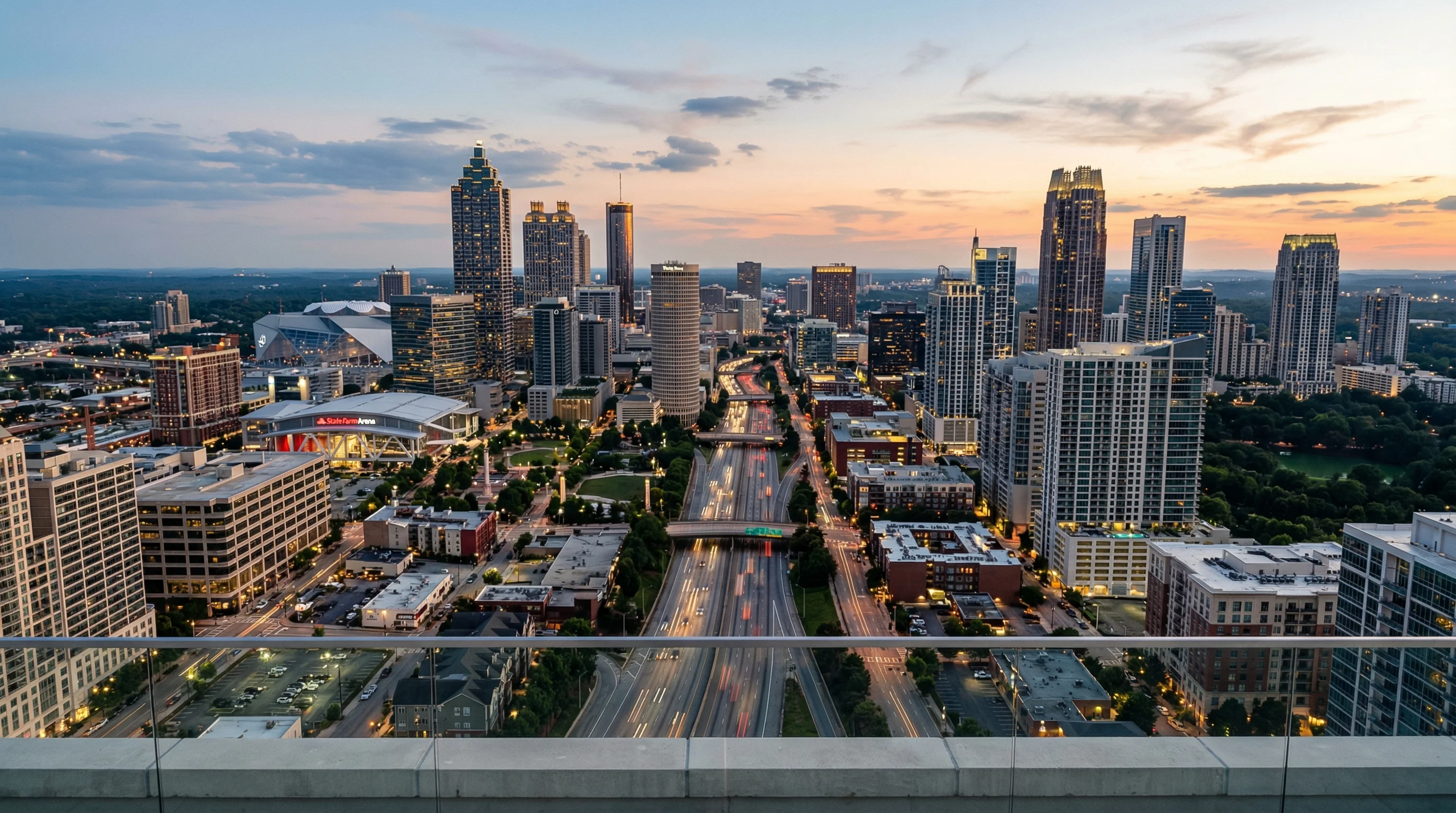
Atlanta stands as a strategic logistics powerhouse in the southeastern United States, offering unparalleled connectivity through Hartsfield-Jackson Atlanta International Airport, one of the world's busiest cargo airports. The city's central location provides access to major interstate highways including I-20, I-75, and I-85, creating a robust transportation network. Atlanta's economy thrives on diverse sectors including logistics and transportation, advanced manufacturing, aerospace, automotive, and technology industries. The city hosts numerous Fortune 500 company headquarters and serves as a distribution center for the entire Southeast region. With its extensive warehousing facilities, intermodal yards, and proximity to major ports via inland connections, Atlanta provides an ideal origin point for cross-border freight movements. The region's skilled workforce and business-friendly environment continue to attract investment, strengthening its position as a critical logistics hub for both domestic and international trade.
 Destination
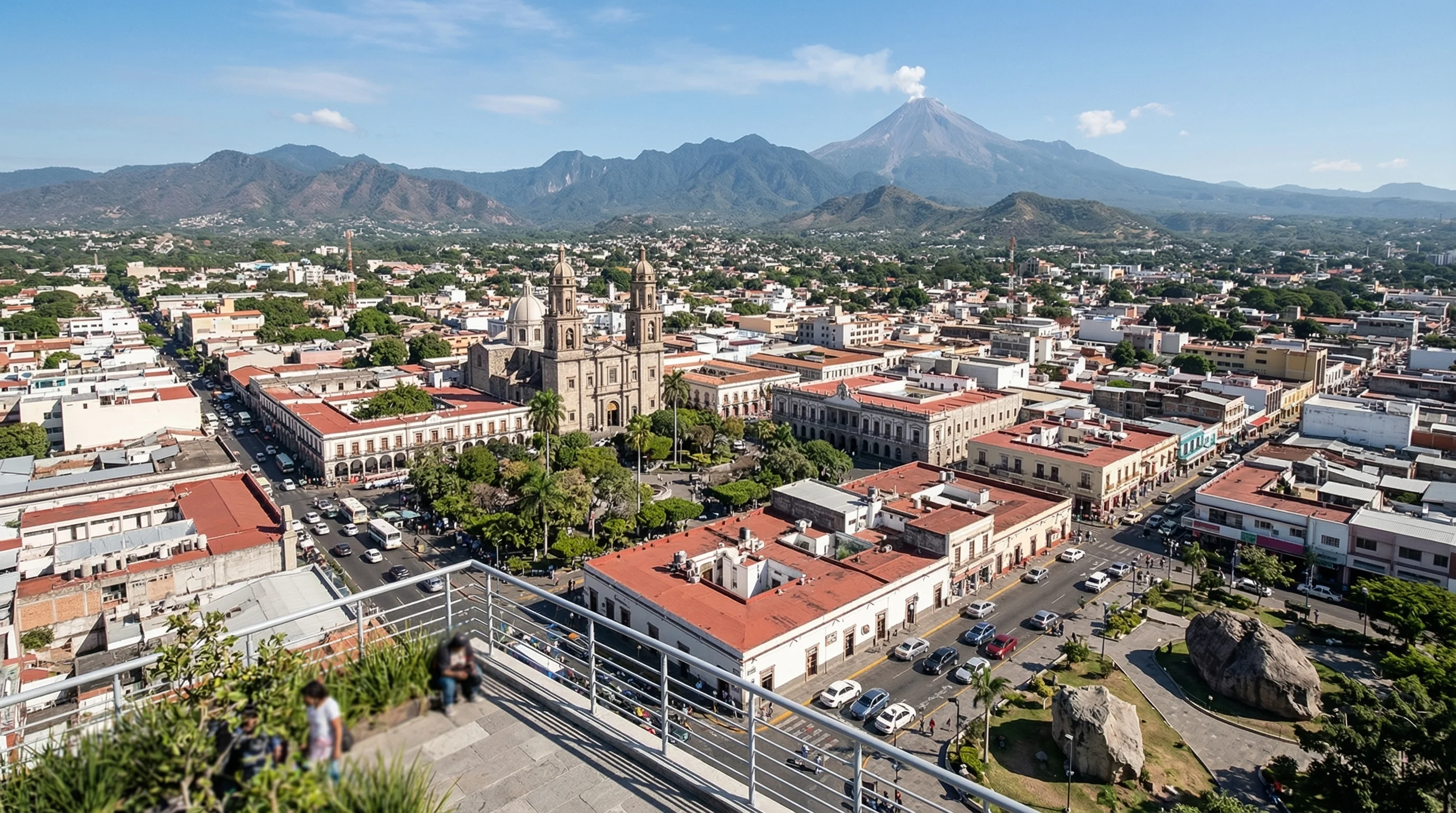
Colima occupies a strategic position on Mexico's Pacific coast, serving as a gateway to both domestic markets and international trade routes. The state benefits from its proximity to the Port of Manzanillo, Mexico's largest container port, providing efficient maritime connections to Asia and beyond. Colima's economy encompasses diverse sectors including agriculture (particularly lime and coconut production), fishing, mining, and a growing manufacturing industry. The region has seen increasing investment in automotive components, electronics assembly, and food processing facilities. Transportation infrastructure includes Federal Highway 80D connecting to Guadalajara and Mexico City, as well as access to Manzanillo's port facilities and Colima Airport for air cargo. The state's business environment continues to evolve with industrial parks and special economic zones attracting both domestic and foreign investment. Colima's strategic location, combined with its developing industrial base, makes it an increasingly important destination for cross-border freight, particularly for companies seeking Pacific coast access and distribution capabilities.










