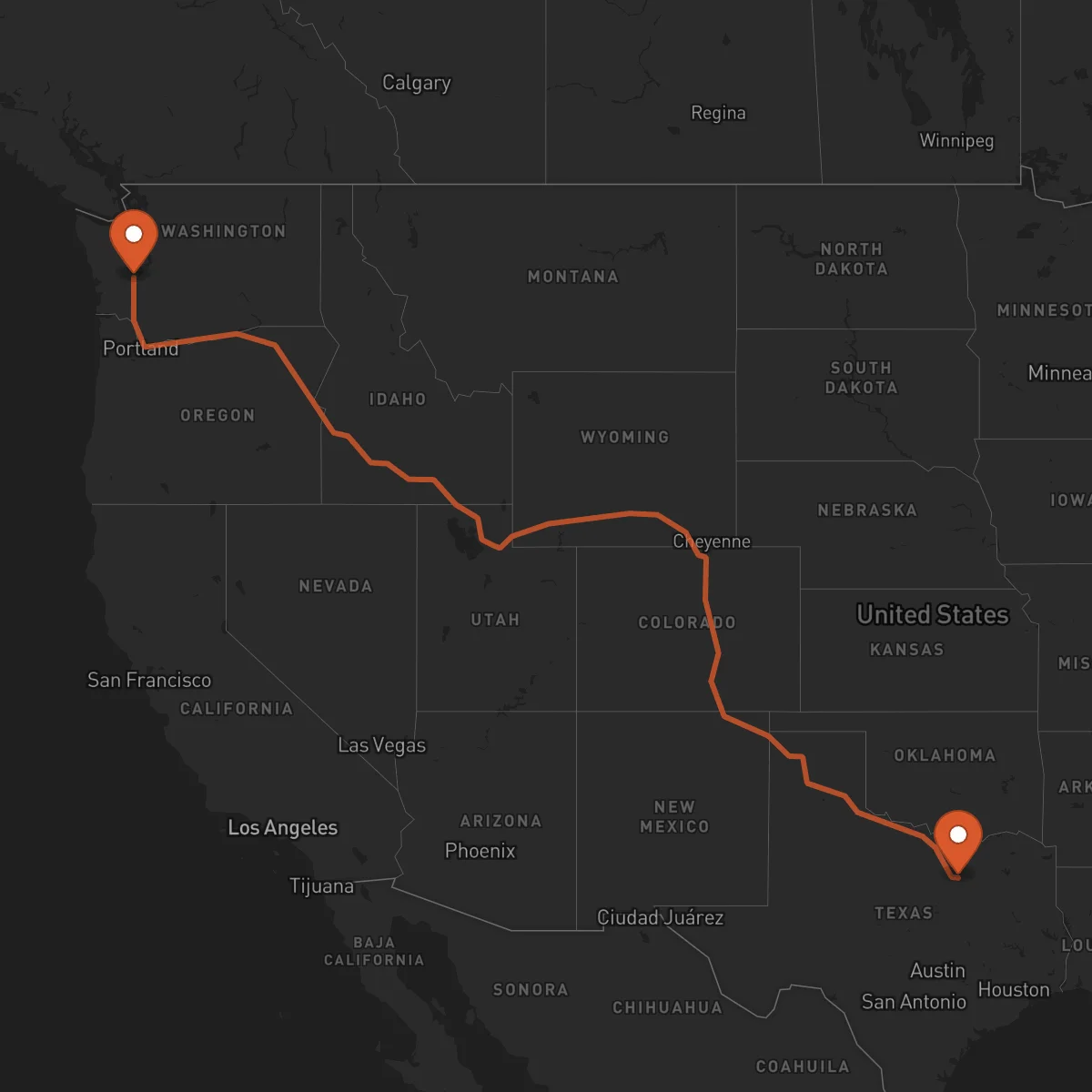
Arlington to Olympia
Olympia → ArlingtonFTL freight transportation service between Arlington and Olympia. Reliable logistics solutions for your business.
Route Description
Everything you need to know about the corridor Arlington - Olympia
The Arlington to Olympia corridor represents a vital domestic freight transportation route spanning over 2,694 kilometers across the United States. This strategic connection links the dynamic economic hub of North Texas with the capital city of Washington State, facilitating the movement of goods between two distinct industrial regions. The corridor traverses multiple states, crossing diverse geographic and economic landscapes that contribute to its significance in the national supply chain network.
The route connects Arlington's thriving industrial base with Olympia's government and technology sectors, creating a bidirectional flow of goods that supports both regional economies. Major industries utilizing this corridor include automotive manufacturing, aerospace components, technology equipment, and agricultural products. The transportation infrastructure along this route is robust, primarily utilizing Interstate 20, Interstate 84, and Interstate 5, which provide reliable and efficient north-south and east-west connectivity.
Control Terrestre specializes in optimizing freight operations along this corridor through our network of certified transportation providers. Our full truckload (FTL) services ensure dedicated capacity for your shipments, whether you're moving high-value technology equipment from the Dallas-Fort Worth metroplex or specialized components to aerospace facilities in the Pacific Northwest. We understand the unique challenges of this long-haul route and provide solutions that maintain cargo integrity, ensure timely deliveries, and offer real-time tracking capabilities throughout the journey.
Services for this Route
Available services for the corridor Arlington - Olympia
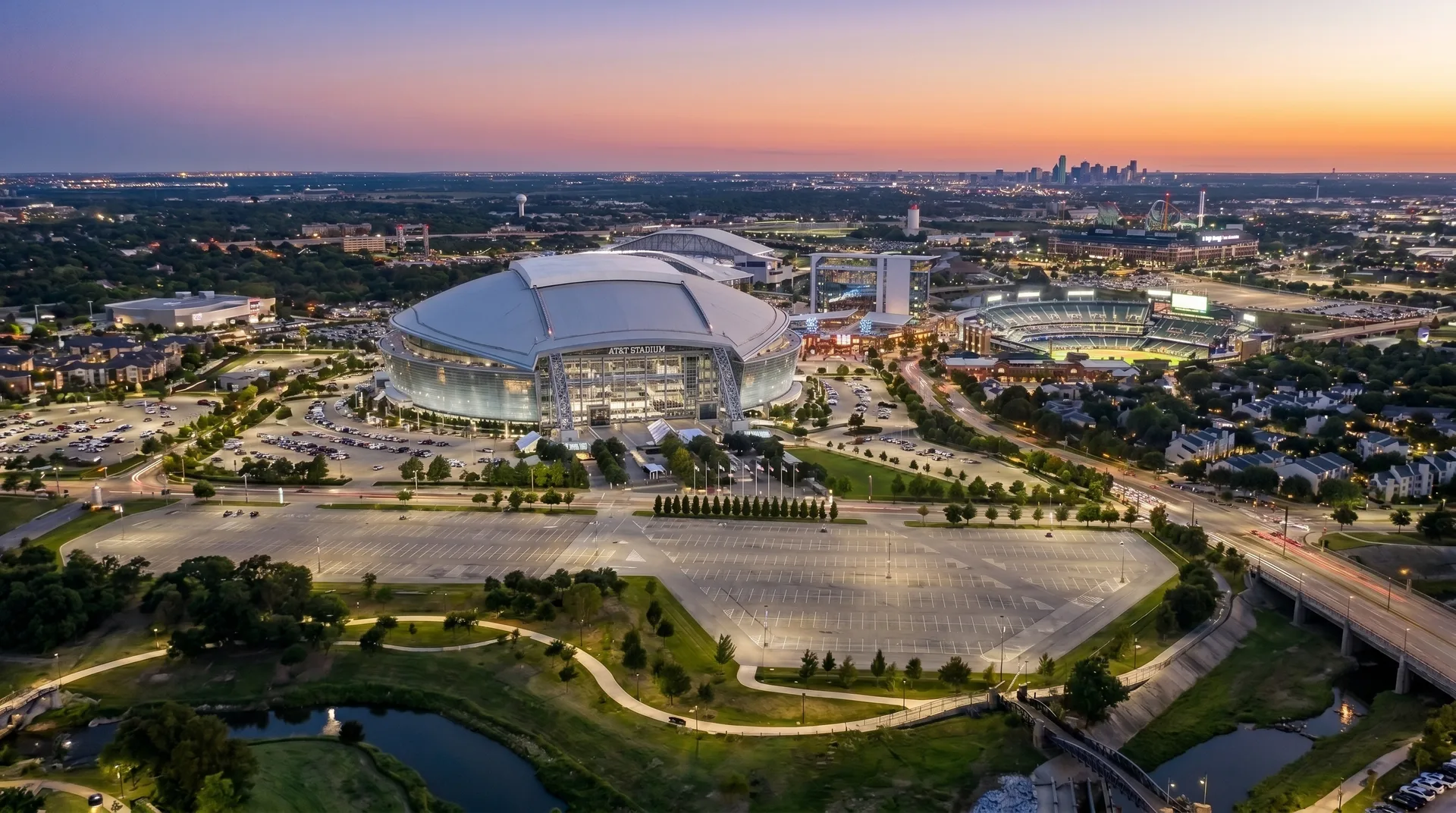 Origin
Arlington
Arlington, Texas serves as a strategic logistics hub in the Dallas-Fort Worth metropolitan area, offering exceptional connectivity and infrastructure for freight operations. Located in the heart of North Texas, Arlington benefits from proximity to major transportation networks including the Alliance Global Logistics Hub, multiple interstate highways, and the Dallas/Fort Worth International Airport. The city's central location within the United States makes it an ideal origin point for nationwide distribution, with excellent access to major freight corridors heading in all directions.
The economic landscape of Arlington is diverse and robust, anchored by major industries including automotive manufacturing (home to General Motors assembly plant), entertainment and sports venues, healthcare, and technology. The city's industrial parks and warehousing facilities are equipped with modern logistics infrastructure, supporting efficient loading and distribution operations. Arlington's business-friendly environment and strategic location make it an attractive origin point for companies seeking reliable transportation solutions to markets across the western and northwestern United States.
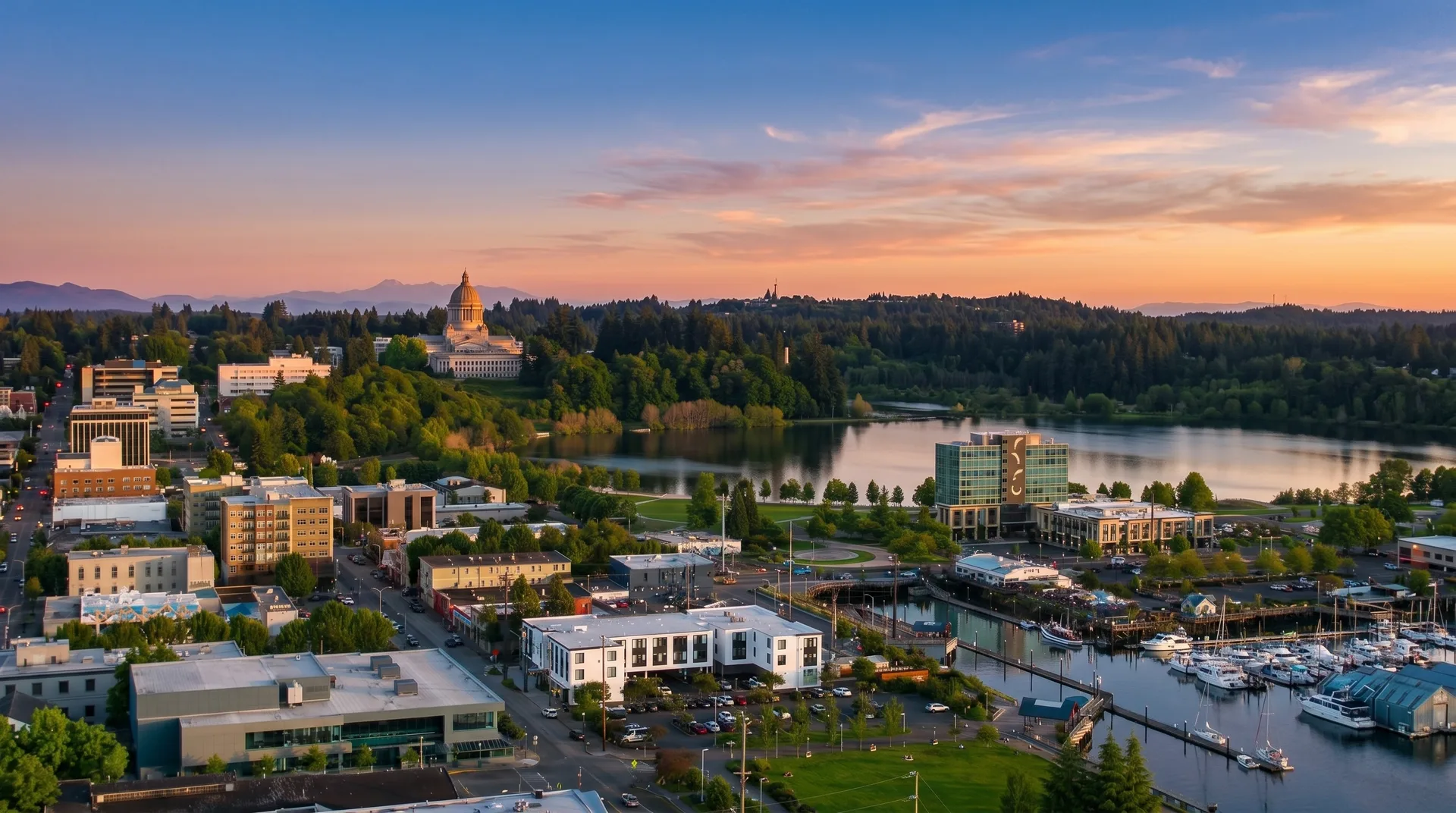 Destination
Olympia
Olympia, Washington, as the state capital, represents a strategic endpoint for freight transportation with unique logistical characteristics. Situated at the southern end of Puget Sound, Olympia offers access to both road and water transportation networks, providing flexibility for freight movement. The city's location in western Washington places it within the dynamic Seattle-Tacoma-Olympia metropolitan triangle, offering excellent connectivity to major markets throughout the Pacific Northwest and beyond.
The economic profile of Olympia is characterized by government operations, technology companies, healthcare services, and a growing presence of green technology and sustainable industries. The region's focus on environmental responsibility aligns with Control Terrestre's commitment to green transportation solutions. Olympia's infrastructure includes modern warehousing facilities, efficient port access via nearby Tacoma, and well-maintained highway systems that facilitate smooth last-mile delivery operations. The city's strategic position makes it an important destination for specialized freight, including technology equipment, government supplies, and industrial components supporting the broader Washington State economy.










