Annapolis to Tulsa
Tulsa → AnnapolisFTL freight transportation service between Annapolis and Tulsa. Reliable logistics solutions for your business.
Route Description
Everything you need to know about the corridor Annapolis - Tulsa
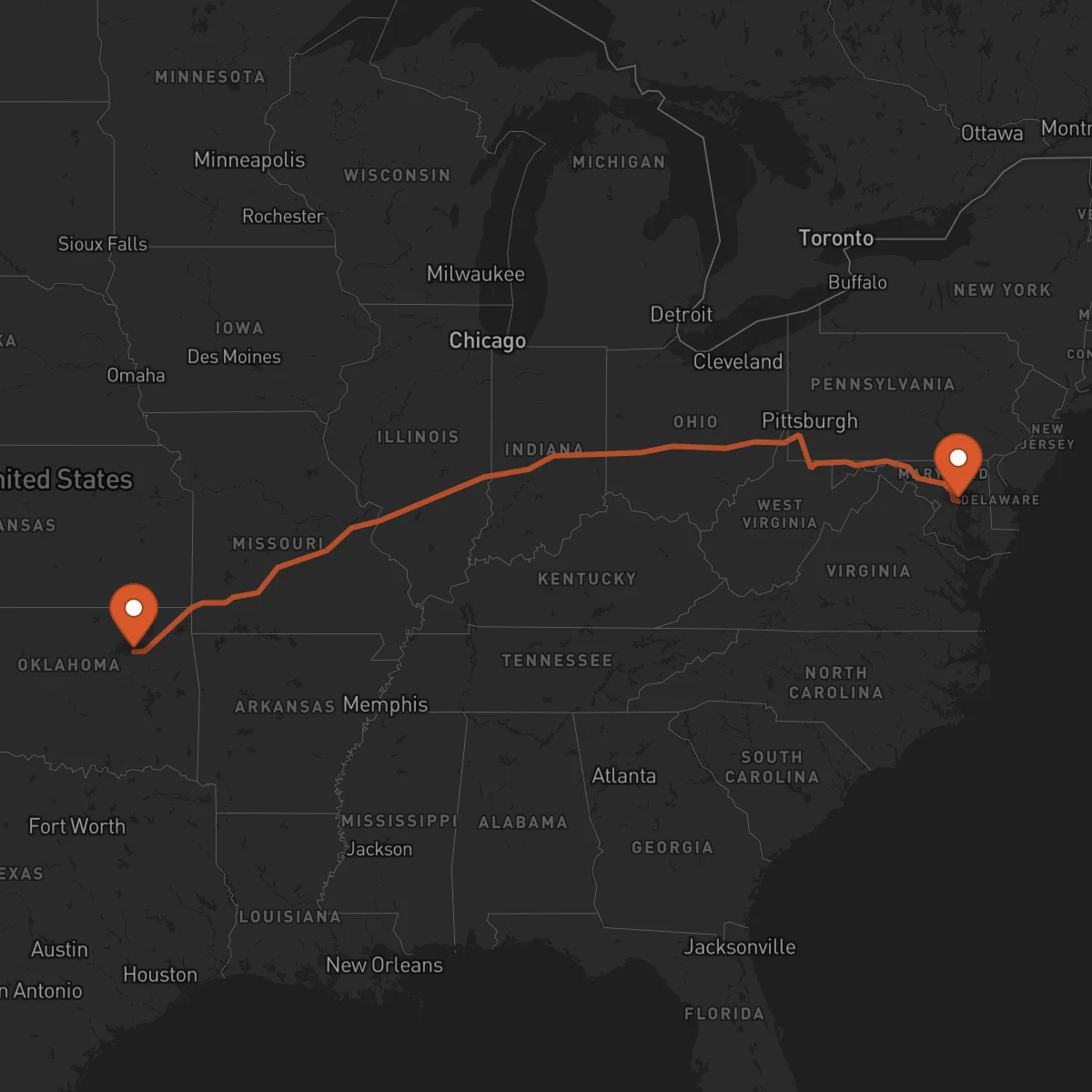
The logistics corridor connecting Annapolis, Maryland, to Tulsa, Oklahoma, represents a vital domestic freight transportation route spanning approximately 1,744 kilometers across the eastern United States. This east-to-central corridor traverses diverse terrain and crosses multiple state lines, serving as a crucial link between the Mid-Atlantic region and the heart of America's industrial Midwest. The route primarily follows major interstate highways including I-70, I-44, and I-244, providing reliable and efficient transportation infrastructure for commercial freight movement.
The economic significance of this corridor is substantial, connecting Annapolis's strategic coastal location with Tulsa's position as a major energy and manufacturing hub. This route facilitates the movement of goods between the Atlantic seaboard and the central United States, supporting industries ranging from government and defense to energy production and advanced manufacturing. The corridor's importance is amplified by its role in connecting major metropolitan areas and industrial centers, enabling seamless supply chain operations across multiple states.
Control Terrestre specializes in full truckload (FTL) freight transportation along this corridor, offering dedicated services that ensure your cargo moves efficiently from origin to destination. Our strategic partnerships with certified carriers provide reliable transportation solutions for businesses requiring consistent, high-quality freight movement across this extensive route. We understand the unique requirements of this corridor and provide tailored services that address the specific needs of shippers moving goods between these important economic centers.
Services for this Route
Available services for the corridor Annapolis - Tulsa
 Origin
Annapolis
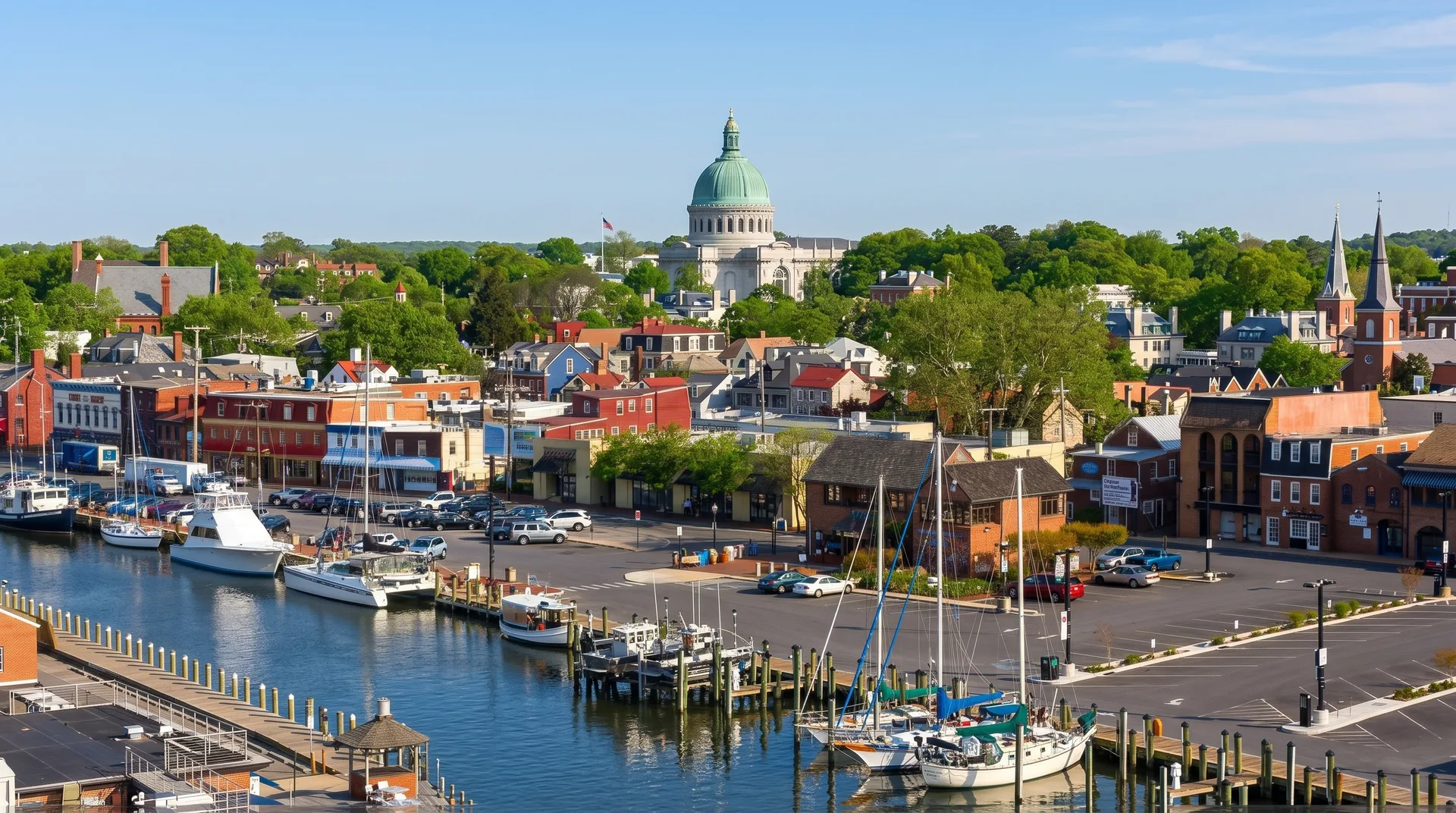
Annapolis, Maryland, serves as a strategic gateway for freight transportation on the East Coast, offering exceptional access to major ports, airports, and interstate highways. Located on the Chesapeake Bay, Annapolis provides crucial connectivity to both domestic and international shipping routes. The city's proximity to Washington D.C. and Baltimore enhances its strategic importance in the regional logistics network. Annapolis's transportation infrastructure includes access to I-97, I-695, and I-895, facilitating efficient movement of goods throughout the Mid-Atlantic region.
The region surrounding Annapolis is characterized by diverse economic activities, including government operations, defense contracting, maritime industries, and advanced technology sectors. The presence of the United States Naval Academy and numerous federal facilities creates consistent demand for specialized freight services. Additionally, the area's proximity to major research institutions and corporate headquarters generates substantial business-to-business shipping requirements. Annapolis's combination of coastal access and robust highway infrastructure makes it an ideal origin point for freight destined for central and western United States markets.
 Destination
Tulsa
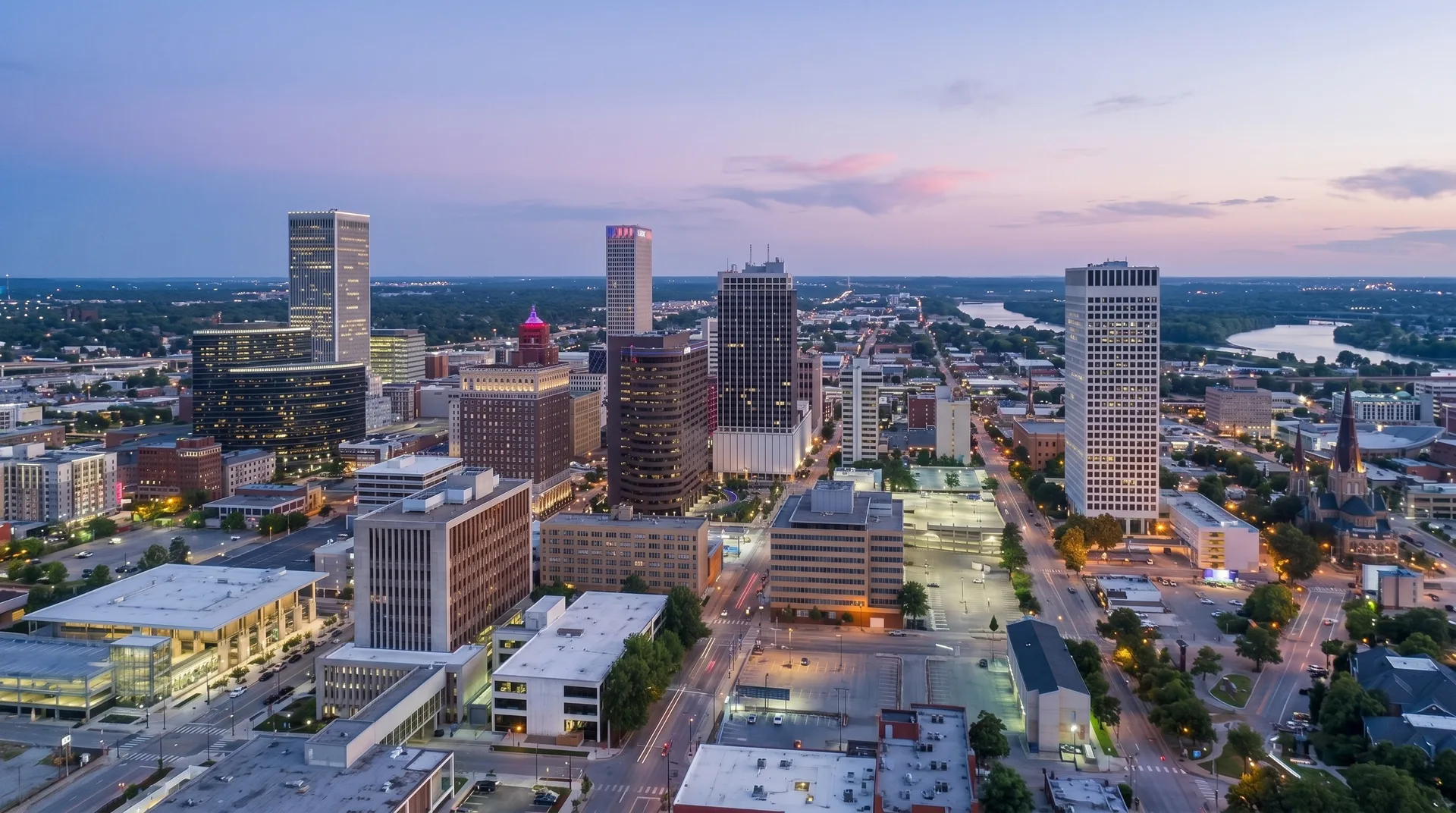
Tulsa, Oklahoma, stands as a major logistics and industrial center in the central United States, strategically positioned to serve the Midwest and beyond. The city's location at the intersection of major transportation routes, including I-44, I-244, and I-35, provides excellent connectivity for freight movement. Tulsa International Airport and the Tulsa Port of Catoosa on the McClellan-Kerr Arkansas River Navigation System further enhance the city's multimodal transportation capabilities. The extensive highway network surrounding Tulsa ensures efficient distribution to surrounding states and regions.
The Tulsa metropolitan area is a powerhouse of economic activity, with strong foundations in energy production, aerospace manufacturing, and advanced technology. As the historical center of the U.S. oil industry, Tulsa continues to be a major hub for energy-related logistics and transportation. The region's diverse industrial base includes aerospace companies, healthcare institutions, and manufacturing facilities, all requiring reliable freight transportation services. Tulsa's central location and robust infrastructure make it an ideal destination for freight originating from coastal and eastern regions, supporting the continuous flow of goods throughout the central United States.










