Annapolis to Somoto
Somoto → AnnapolisFTL freight transportation service between Annapolis and Somoto. Reliable logistics solutions for your business.
Route Description
Everything you need to know about the corridor Annapolis - Somoto
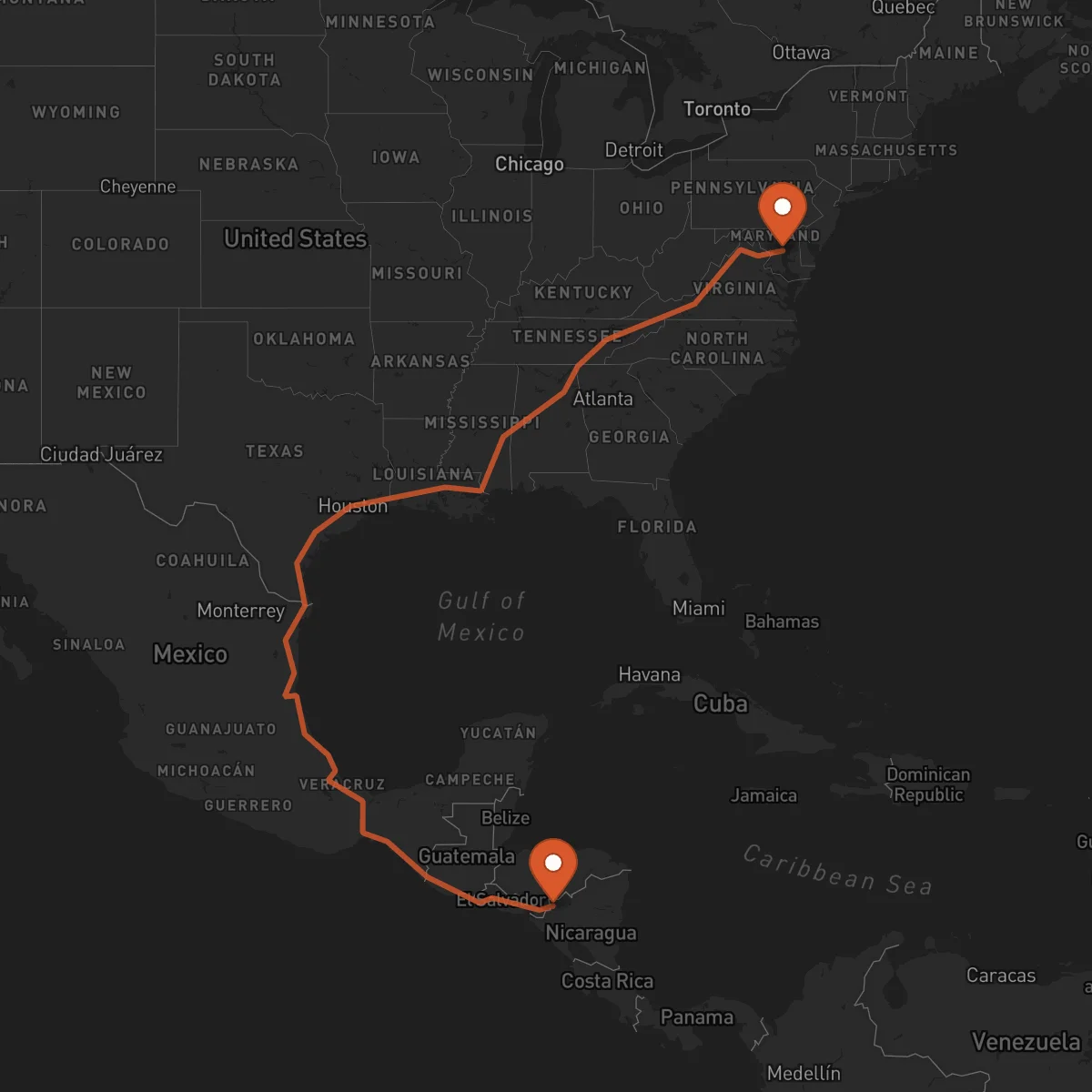
The Annapolis to Somoto logistics corridor represents a vital cross-border connection linking the industrial Mid-Atlantic region of the United States with the agricultural and manufacturing heartland of northern Nicaragua. This 3,003 km route traverses multiple countries and climate zones, facilitating the movement of diverse cargo types between North and Central America. The corridor serves as a critical supply chain artery for companies engaged in international trade, connecting major US ports and distribution centers with growing markets in Nicaragua and beyond.
The transportation infrastructure along this route includes major interstate highways in the United States, such as I-95 and I-81, which connect to Mexican Federal Highways 57 and 85. These lead to key border crossings at Laredo/Nuevo Laredo or El Paso/Juárez, where cargo transitions to Mexican and Central American transportation networks. The route continues through Honduras via CA-1, the Pan-American Highway, before reaching Nicaragua and proceeding to Madriz department.
Control Terrestre provides comprehensive cross-border logistics solutions along this corridor, managing the complexities of international freight transportation. Our experienced team coordinates all aspects of the journey, from origin pickup in Annapolis to final delivery in Somoto, ensuring compliance with customs regulations and documentation requirements at each border crossing. We maintain strong relationships with certified carriers throughout the route, providing reliable door-to-door service for full truckload shipments.
Services for this Route
Available services for the corridor Annapolis - Somoto
 Origin
Annapolis
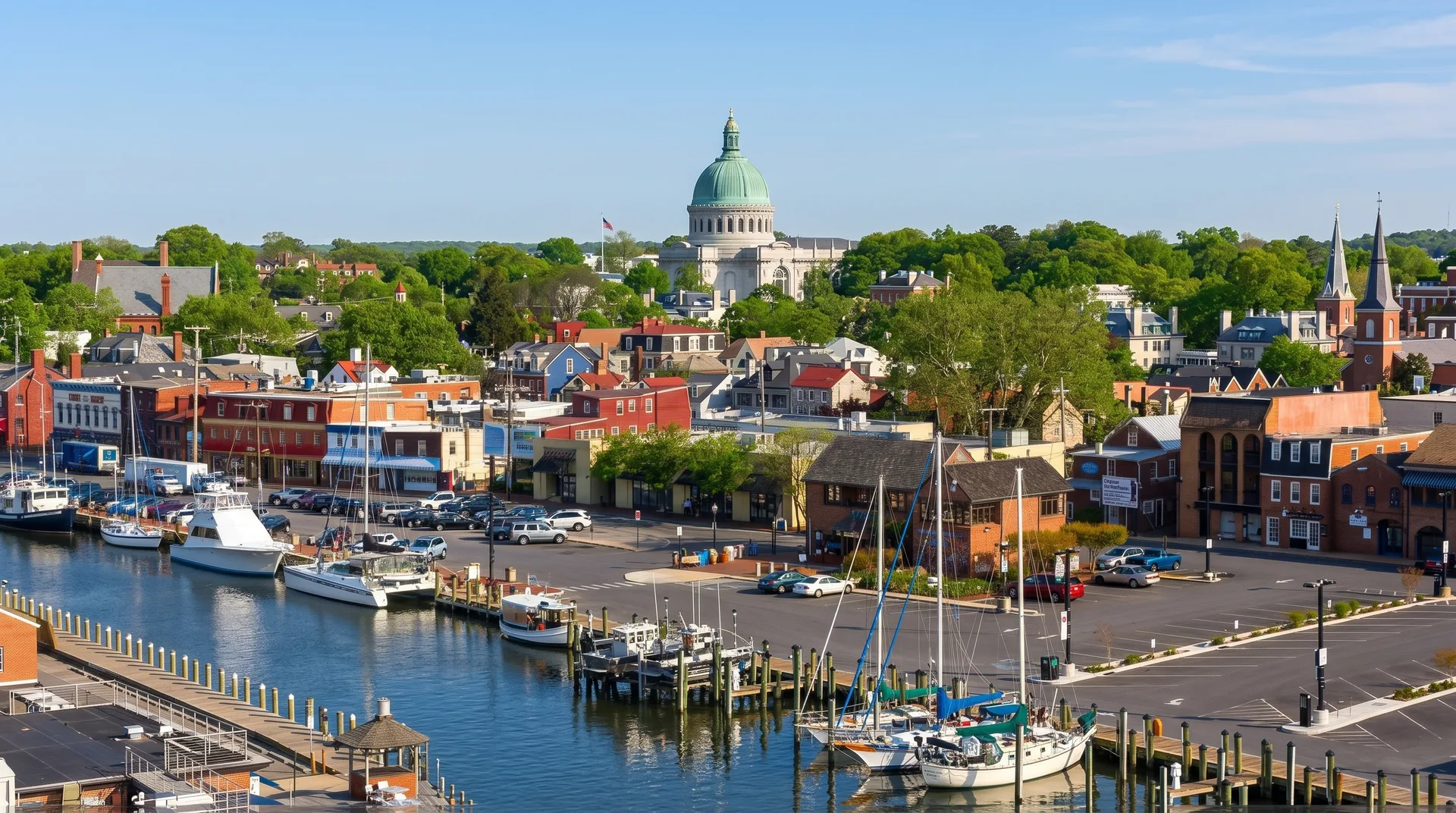
Annapolis, Maryland serves as a strategic gateway for international freight due to its proximity to major East Coast ports and distribution hubs. Located in the Baltimore-Washington metropolitan area, Annapolis provides excellent access to the Port of Baltimore, one of the busiest ports on the US East Coast, as well as major airports including Baltimore/Washington International and Reagan National. The region's robust transportation infrastructure includes direct access to I-95, I-97, and US Route 50, facilitating efficient connections to national and international freight networks.
The Annapolis area hosts diverse industries including aerospace and defense (with nearby facilities like the Naval Academy and defense contractors), technology and cybersecurity firms, healthcare and biotechnology companies, and government contractors. The region's strong agricultural sector, particularly in the surrounding Chesapeake Bay area, generates significant freight volume in food products and agricultural equipment. Manufacturing facilities in the Baltimore-Washington corridor produce electronics, machinery, and specialized equipment that frequently requires cross-border transportation services.
 Destination
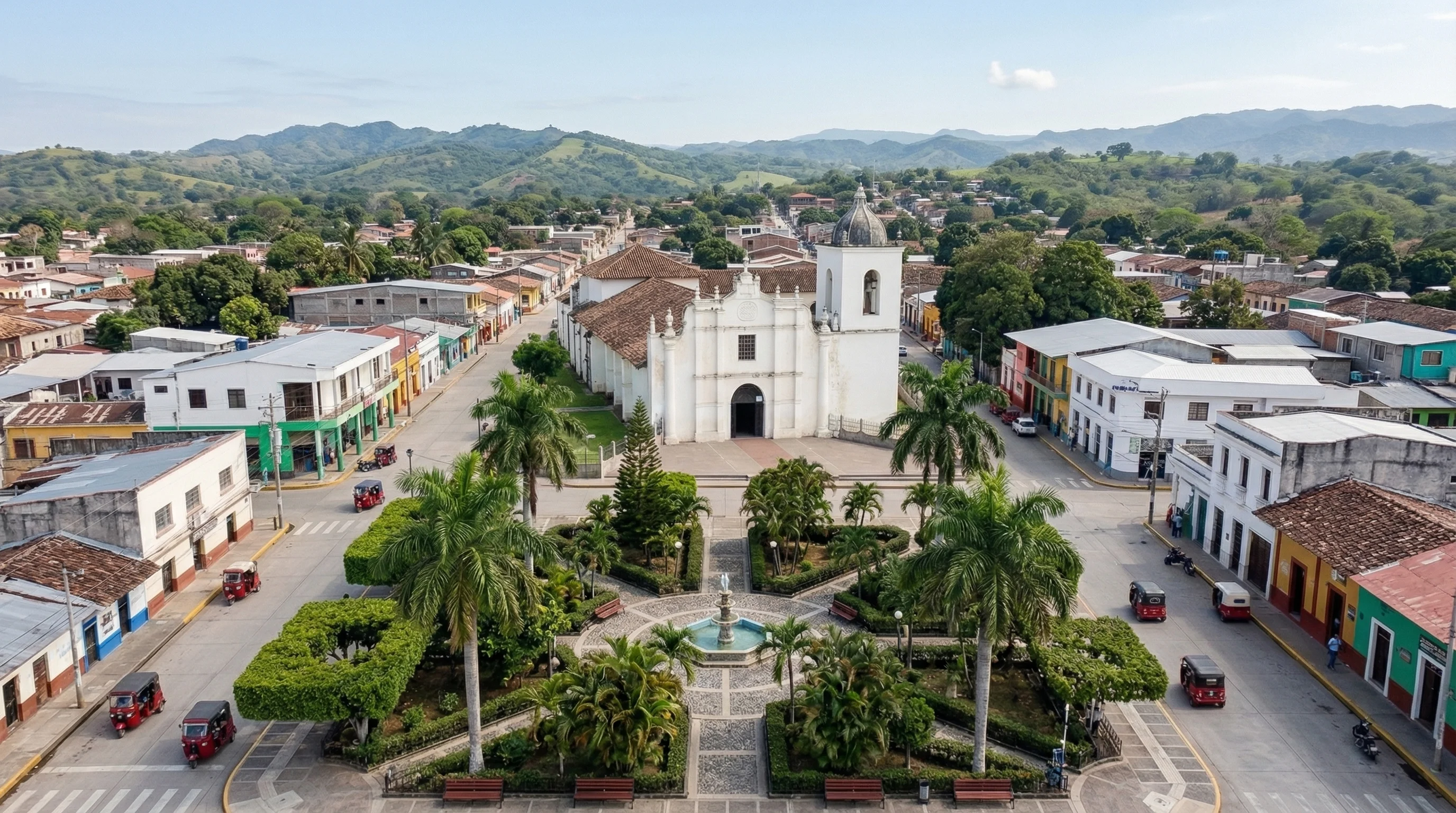
Somoto, located in Nicaragua's Madriz department, occupies a strategic position in northern Nicaragua as a regional commercial and agricultural center. The city sits along the Pan-American Highway (CA-1), providing crucial connectivity to both domestic markets and international trade routes extending through Central America. Somoto's location near the Honduran border facilitates cross-border commerce and serves as a distribution point for goods moving between the two countries.
The local economy centers on agriculture, with significant production of tobacco, coffee, and various fruits that are exported regionally and internationally. Somoto and the surrounding Madriz department also host small and medium-sized manufacturing operations, particularly in food processing, textiles, and consumer goods production. The region's growing commercial sector requires consistent freight transportation for raw materials, finished products, and industrial supplies. While transportation infrastructure continues to develop, the existing road network provides reliable connections to Managua and other major Nicaraguan cities, as well as international border crossings.










