
Albany to Cobán
Cobán → AlbanyFTL freight transportation service between Albany and Cobán. Reliable logistics solutions for your business.
Route Description
Everything you need to know about the corridor Albany - Cobán
The logistics corridor connecting Albany, New York to Cobán, Alta Verapaz represents a vital cross-border freight route spanning approximately 3,412 kilometers. This corridor serves as a crucial link between the northeastern United States and the heart of Guatemala's highlands, facilitating the movement of goods across diverse geographic and economic landscapes. The route traverses major transportation networks including interstate highways in the US before crossing through Mexico and into Central America, requiring coordination across multiple jurisdictions and customs systems.
The economic significance of this corridor is substantial, connecting Albany's established industrial base with Cobán's growing agricultural and manufacturing sectors. Albany serves as a key distribution hub for the northeastern US, while Cobán functions as a commercial center for the Verapaz region, known for its coffee production, cardamom cultivation, and emerging textile industries. The corridor supports trade in both directions, with manufacturers, agricultural producers, and retailers relying on efficient freight transportation to maintain their supply chains.
Control Terrestre specializes in managing the complexities of this cross-border corridor, providing dedicated full truckload (FTL) services that ensure cargo moves seamlessly from origin to destination. Our expertise includes navigating the required documentation, coordinating with customs authorities at border crossings, and maintaining compliance with regulations in multiple countries. We leverage our network of certified carriers and strategic partnerships to offer reliable door-to-door service, handling everything from standard palletized freight to specialized cargo requiring specific equipment or handling procedures.
Services for this Route
Available services for the corridor Albany - Cobán
 Origin
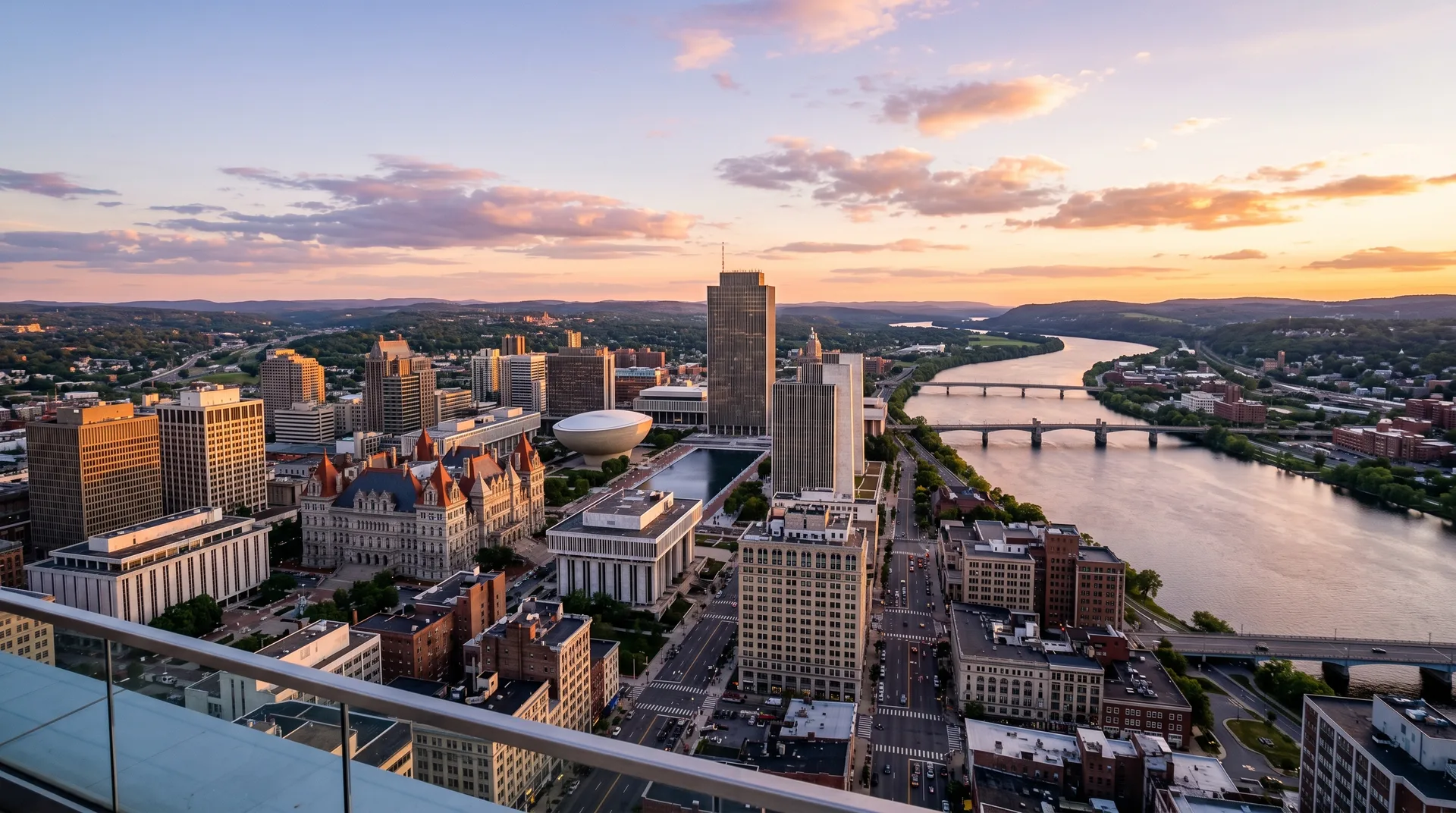
Albany
Albany, New York serves as a strategic logistics hub in the northeastern United States, positioned advantageously along the Hudson River with excellent connectivity to major transportation networks. The city's location provides direct access to Interstate 90 and Interstate 87, facilitating efficient distribution throughout the region and beyond. Albany's infrastructure includes the Port of Albany, rail connections via CSX and Canadian Pacific lines, and Albany International Airport, creating a multimodal transportation environment that supports diverse freight operations.
The region's economy is anchored by government services, healthcare, education, and technology sectors, with significant manufacturing and distribution activities concentrated in the surrounding Capital District. Albany's proximity to major metropolitan areas like New York City, Boston, and Montreal makes it an ideal origin point for cross-border freight movements. The area hosts numerous warehouses, distribution centers, and manufacturing facilities that require reliable transportation services to move goods throughout North America, making it a critical node in regional supply chains.
 Destination
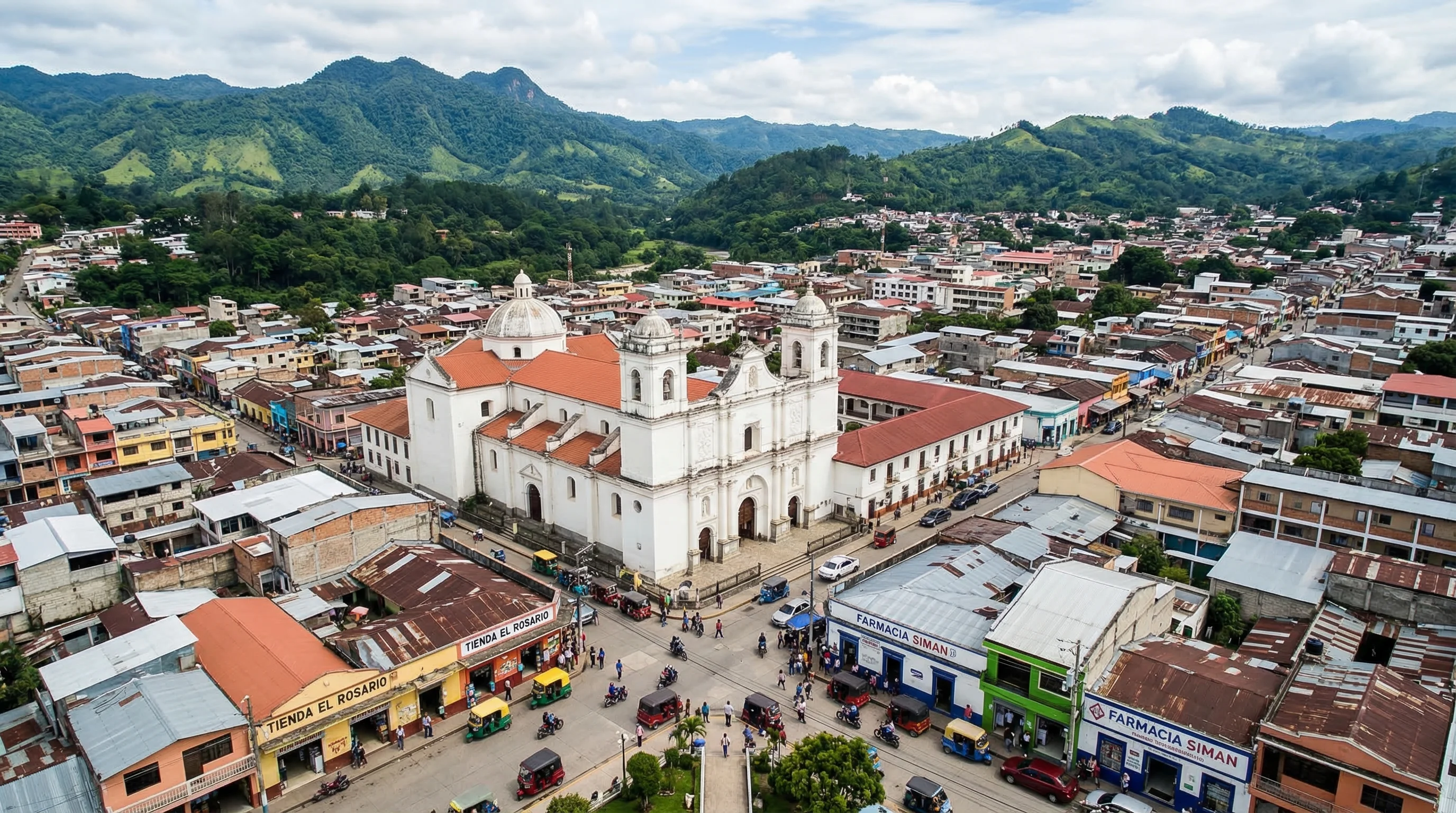
Cobán
Cobán, located in the Alta Verapaz department of Guatemala, serves as a strategic commercial center in the country's central highlands. The city's position in a mountainous region provides access to surrounding agricultural areas known for coffee, cardamom, and other specialty crops, while also connecting to Guatemala's Caribbean and Pacific coasts through major highways. Cobán's infrastructure includes the CA-13 and CA-14 highways, which link to Guatemala's national road network and provide connections to border crossings and major ports.
The local economy is primarily driven by agriculture, with coffee and cardamom being the dominant export products, alongside emerging manufacturing and textile industries. Cobán's role as a regional distribution center makes it an important destination for freight transportation, supporting both local businesses and the broader agricultural supply chain. The city's growing industrial sector requires consistent inbound freight for raw materials and equipment, while also generating outbound shipments of finished products and agricultural commodities, creating a dynamic logistics environment that demands reliable transportation solutions.










