Albany to San Marcos
San Marcos → AlbanyFTL freight transportation service between Albany and San Marcos. Reliable logistics solutions for your business.
Route Description
Everything you need to know about the corridor Albany - San Marcos
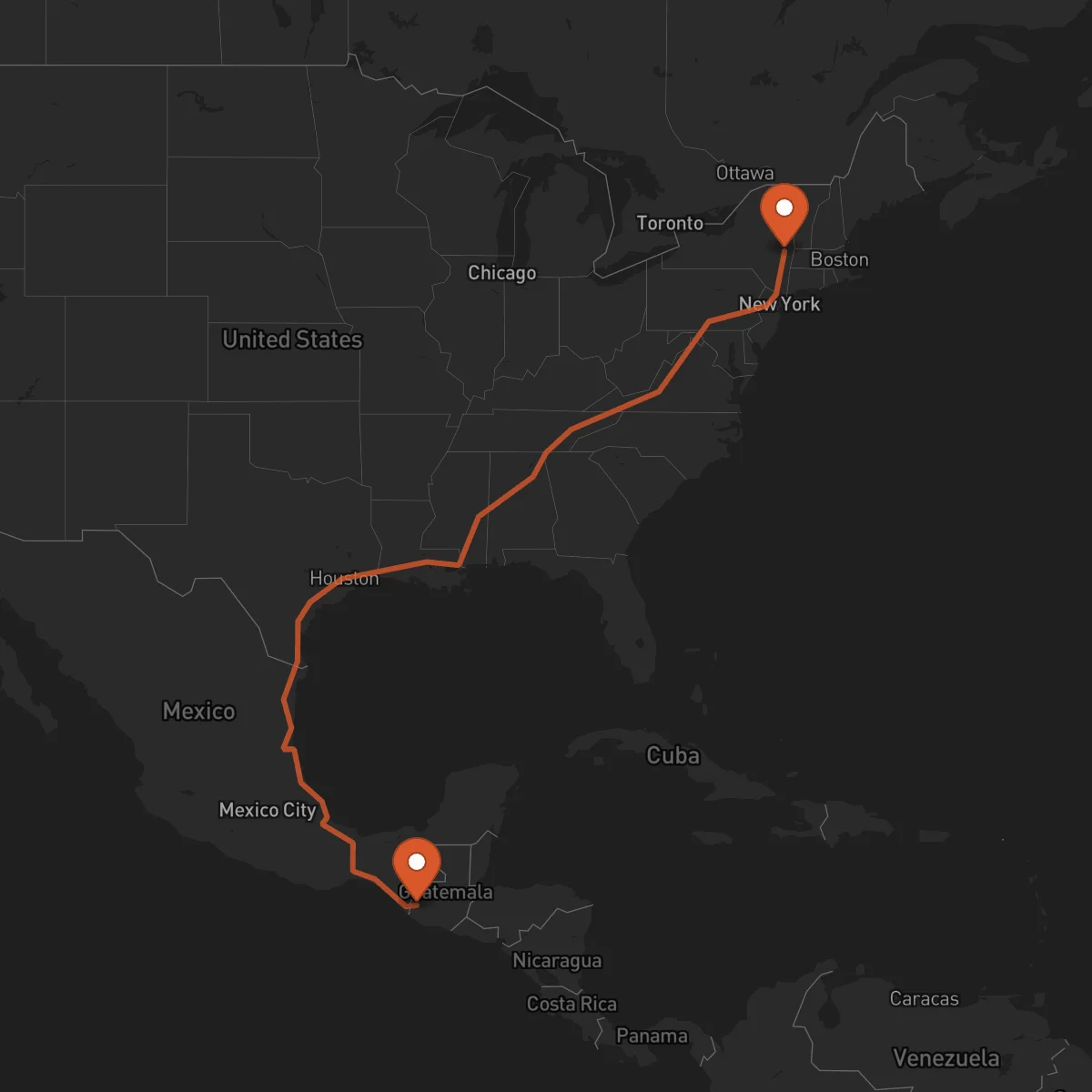
The logistics corridor between Albany, New York, and San Marcos, Guatemala, represents a vital cross-border connection spanning approximately 3,529 kilometers. This route links the industrial Northeast United States with the growing economic hub of Western Guatemala, facilitating the movement of goods between two distinct markets. The corridor traverses multiple countries and regions, requiring expert coordination to ensure efficient and compliant cross-border operations.
The route primarily follows major transportation arteries through the United States, Mexico, and into Guatemala, connecting key industrial and commercial centers along the way. This corridor serves as a critical supply chain link for companies operating in both North and Central America, enabling the seamless flow of freight across international borders. The journey encompasses diverse geographic and economic zones, from the manufacturing centers of the Northeastern United States to the agricultural and manufacturing regions of Central America.
Key industries utilizing this corridor include automotive parts, electronics, consumer goods, agricultural products, and industrial equipment. The route supports both import and export activities, with Albany serving as a gateway to the Northeastern US market and San Marcos providing access to Guatemala's growing industrial sector and broader Central American markets. Control Terrestre's expertise in cross-border logistics ensures that freight moves smoothly through this complex corridor, handling all necessary documentation, customs clearance, and compliance requirements while maintaining the integrity and security of shipments throughout the journey.
Services for this Route
Available services for the corridor Albany - San Marcos
 Origin
Albany
Albany, the capital of New York State, is strategically positioned in the northeastern United States as a major logistics hub. Located on the west bank of the Hudson River, approximately 240 kilometers north of New York City, Albany serves as a critical gateway to the Northeastern market. The city benefits from excellent transportation infrastructure, including the Port of Albany, multiple interstate highways (I-90 and I-87), and proximity to major airports and rail terminals. Albany's logistics infrastructure makes it an ideal origin point for freight distribution throughout the eastern United States and beyond.
The Albany region is home to diverse industries including government services, healthcare, education, and technology. The area has a strong manufacturing base, particularly in nanoelectronics and semiconductor production, along with significant healthcare and biotechnology sectors. Albany's strategic location provides access to a large consumer market within a day's drive, making it an important distribution center for companies serving the Northeastern United States. The city's logistics capabilities are enhanced by its position along major freight corridors connecting to Canada and the Midwest.
 Destination
San Marcos
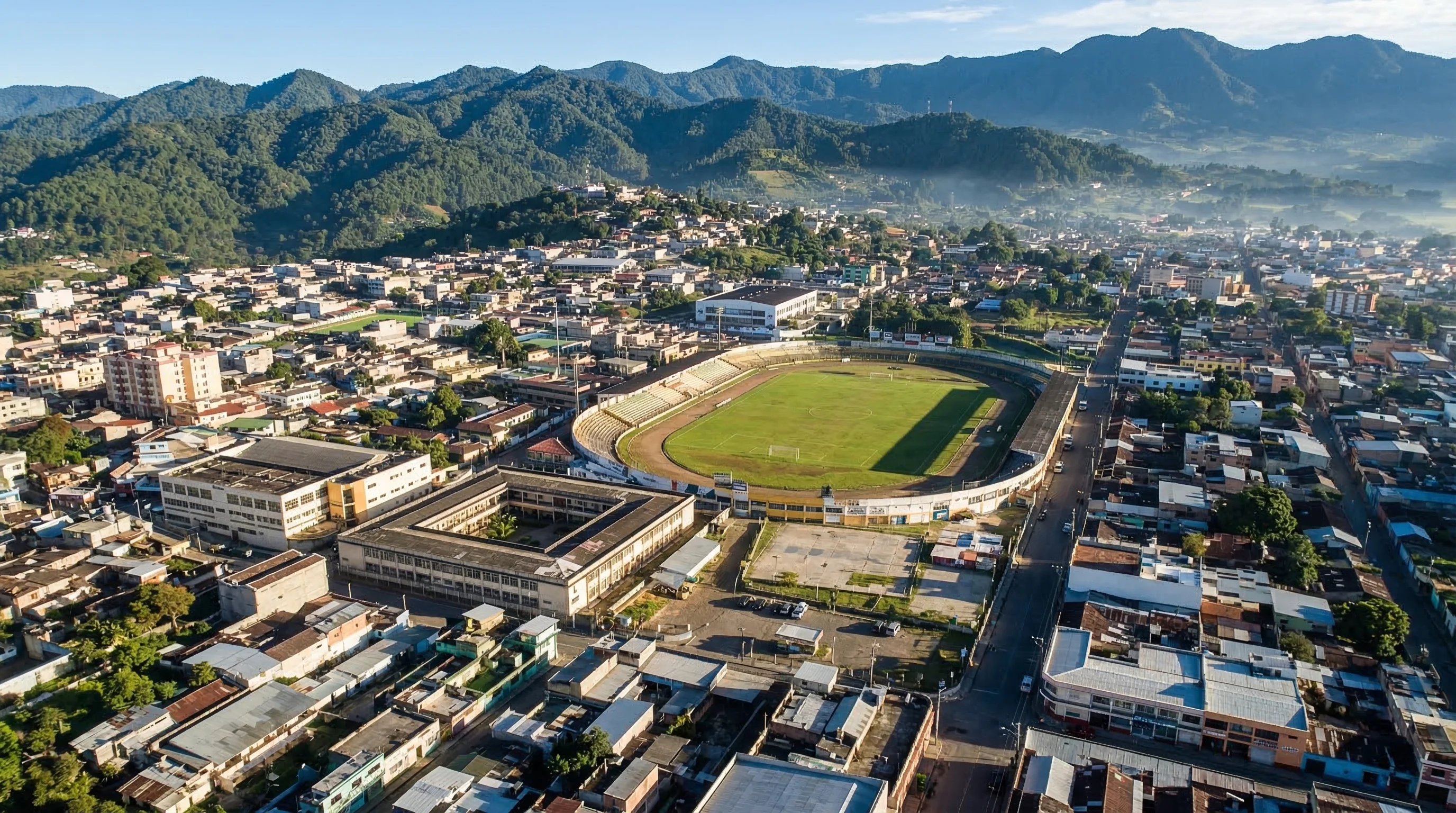
San Marcos, located in western Guatemala near the border with Mexico, is a strategic logistics point for Central American trade. As one of Guatemala's most important border cities, San Marcos serves as a gateway between Mexico and the Central American region. The city's location provides direct access to the Mexican market while serving as a distribution point for goods throughout Guatemala and neighboring countries. San Marcos benefits from its proximity to major transportation routes connecting to Guatemala City and other Central American capitals.
The region around San Marcos has a diverse economic base including agriculture, manufacturing, and trade. The area is known for its coffee production, as well as growing industrial sectors including textiles, food processing, and construction materials. San Marcos' strategic border location makes it an important commercial center, with numerous businesses engaged in import-export activities. The city's logistics infrastructure includes highway connections to major Guatemalan cities and border crossings that facilitate trade with Mexico, making it an essential point in regional supply chains.










