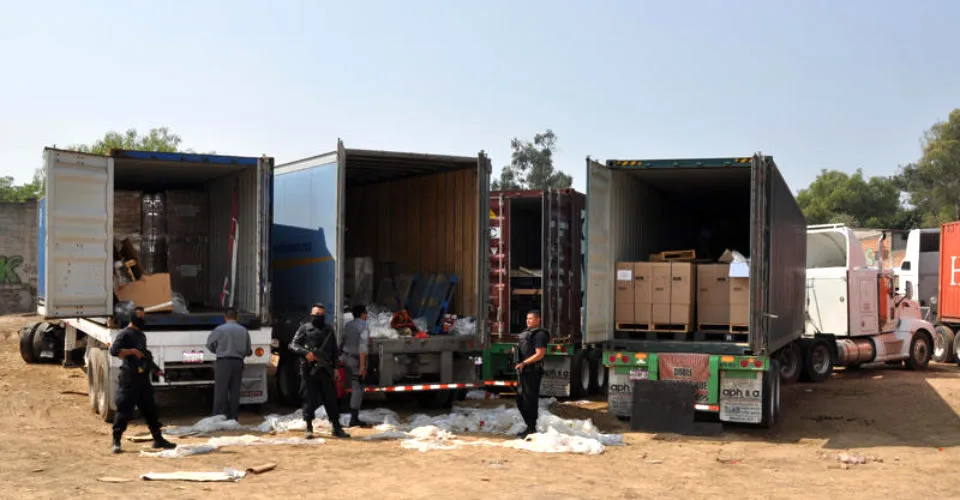
Logistics in Mexico faces a challenge that will intensify in 2025: the growing insecurity in the main highway corridors. High-risk routes not only increase operational costs, but also disrupt planning, compromise the safety of operators, and destabilize delivery times. Although the problem has been discussed for years, today the threats have evolved, shifted to new areas, and require more analytical and preventative strategies.
Companies can no longer simply know which highways are unsafe. Now they need to understand how robbery gangs operate, at what times the risk increases, which states are hotspots, what are the new methods of blocking, and which infrastructure is becoming obsolete in the face of the level of violence.
This analysis details the most dangerous routes of 2025, emerging threats, and strategic actions that can help protect the logistics operation.
The riskiest corridors in Mexico in 2025
Although insecurity is distributed across multiple zones, there are five critical corridors that concentrate the majority of incidents reported by carriers and insurers. Each one differently affects the logistics flow and determines additional costs that, in many cases, companies underestimate.
1. Mexico–Puebla–Orizaba Highway It remains the number one corridor for cargo theft. The most frequent modus operandi are intermittent lane closures, direct assaults, and the use of false checkpoints. The goods most affected in 2025 include food, appliances, clothing, and electronic consumables. Its logistical importance is so great that any interruption generates delays nationwide.
2. Arco Norte and connections with Hidalgo and Tlaxcala Although this route was considered a "safer" alternative, today it has become a hotspot due to nighttime robberies and attacks against drivers traveling alone. The dominant modality is a truck enclosing the trailer in a blind spot, combined with vehicles blocking the way ahead.
3. Celaya–Querétaro–San Luis Potosí Highway Key to the automotive and manufacturing sectors. In 2025, it has increased in incidents of theft of auto parts, machinery, and medium-value products. The presence of groups dedicated to express dismantling also stands out, which reduces the recovery of stolen units.
4. Border routes: Nuevo Laredo, Reynosa and Matamoros The pressure of trade towards the United States and the saturation due to nearshoring has generated an increase in attempts to kidnap merchandise, extortion, and lane takeovers. Unexpected blockades cause millionaire losses due to delays in exports.
5. Guerrero Coast and Tierra Caliente region A little-mentioned but dangerous zone due to armed groups that close roads to charge a right-of-way fee. Tourism, agricultural, and consumer goods companies have seen an increase in risks in the last part of 2024 that will continue in 2025.
New threats impacting logistics
In 2025, it's not just about traditional theft. More complex and organized patterns are emerging that require new mitigation strategies.
Unexpected blockades due to local conflicts Communities, unions, or armed groups may close highways for hours. Unlike a robbery, blockades are more difficult to predict but generate higher losses by obstructing entire routes.
Digital disruption and hacking of trackers Gangs are interfering with GPS signals or hacking devices to disable alerts. This forces companies to invest in redundant technology.
Illegal traffic displacing safe routes Some traditional highways have become impassable due to the presence of illicit traffic, forcing carriers to deviate routes and increasing times and costs.
Border congestion linked to nearshoring Customs saturation is not a direct security issue, but it is an operational threat. The slowness in inspections makes units vulnerable in waiting areas.
How to protect your operations on high-risk routes
Recommended security strategies for 2025
Design updated risk maps by time, municipality, and type of merchandise.
Implement monitoring with dual technology: GPS plus in-cab telemetry.
Use advanced "accompanied driving" protocols on critical routes.
Establish agreements with alternative distribution centers (CEDIS) to reconfigure routes in case of closure.
Use escorts that are only certified and with previously audited routes.
Invest in insurance with special coverage for total theft in high-risk areas.
Completely avoid nighttime hours on corridors such as Puebla–Orizaba.
Highway risk management is now a strategic process. Reacting is not enough. In 2025, companies that personalize routes, analyze incident patterns, and use predictive technology will be the ones who maintain stable operations in a complex environment.
https://controlterrestre.com/newsletter
📩 Do you want to stay up-to-date with the latest trends in logistics, commerce, and transportation? Subscribe to the Control Terrestre newsletter and don't miss any updates.