The rise of e-commerce and the pressure for 24-hour delivery have rewritten the rules of last-mile logistics. Distribution centers can no longer afford to be far from major cities; they must be embedded within them. However, in densely populated cities like Monterrey, Guadalajara, or the Metropolitan Area of the Valley of Mexico, industrial land is scarce and prohibitively expensive. The solution to this spatial and temporal crisis is not to build horizontally, but to look upwards: the multi-story (or vertical) warehouse. This trend, proven in Asia and Europe, is about to revolutionize logistics infrastructure in Mexico.
The Hidden Cost of the Periphery
The traditional model of massive distribution centers built on the city's outskirts has reached its limit of efficiency. While land costs are lower, transportation to the end consumer generates significant hidden costs:
Higher Transportation Costs: More kilometers, more fuel, more fleet wear and tear, and, crucially, more working hours for the driver, translating into higher labor costs.
Unacceptable Delivery Time: Distant fulfillment centers cannot meet the promise of "same day" or "next day" delivery, compromising the customer experience and competitiveness against e-commerce giants.
Urban Congestion: The constant entry and exit of long-haul trucks into urban areas exacerbates traffic and increases the carbon footprint of the operation.
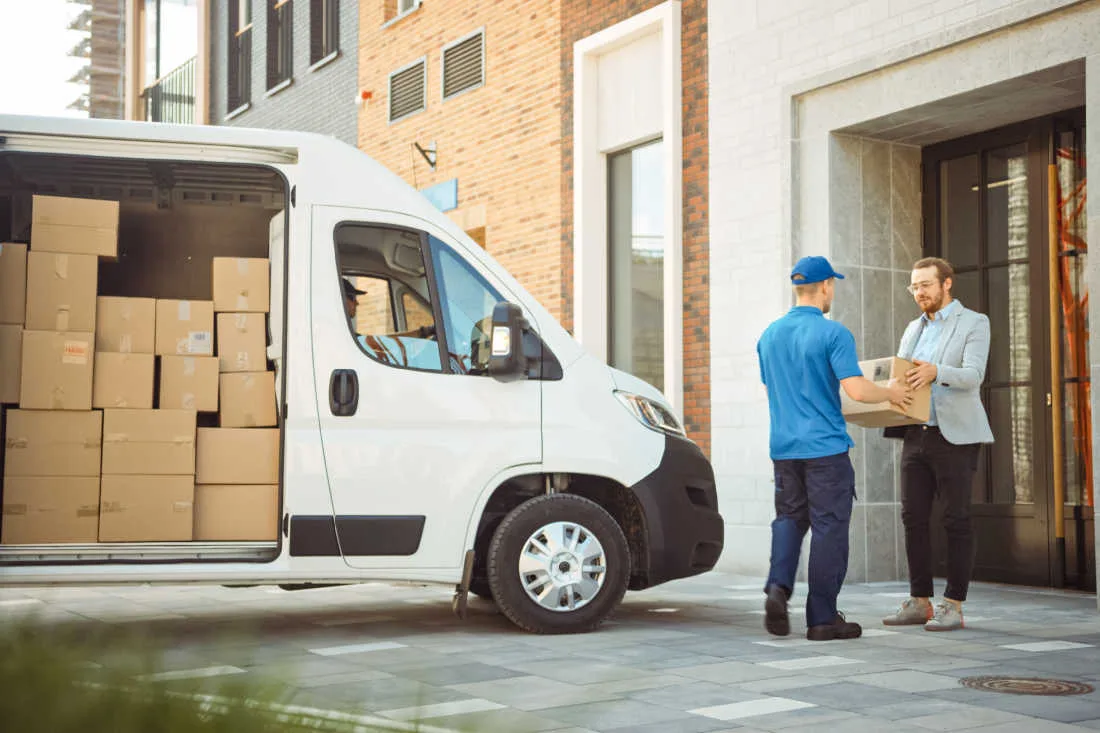
Multi-story warehouses, located 10 or 15 minutes from the city center, solve this equation by maximizing land use and drastically reducing travel time to the customer's doorstep.
Characteristics and Challenges of Vertical Logistics
A vertical warehouse is not simply an office building with loading docks; it is a complex engineering infrastructure designed for logistical efficiency.
Key Structural Design: The most critical factor is the load-bearing capacity of the floor and ramps. They need to support the weight of delivery trucks (sometimes with double trailers) that must ascend and maneuver on different levels.
Operational Flow and Automation: These warehouses rely heavily on automation to move goods vertically (high-speed forklifts, industrial elevators). The internal flow management (WMS) is more sophisticated than in a horizontal facility.
Integrated Micro-Fulfillment: Different floors can house distinct logistical functions: the first floor for fast receiving and dispatch, the second for e-commerce fulfillment (micro-fulfillment), and the third for long-term storage.
The main challenge in Mexico is the initial investment and the management of permits in urban areas, where the local road infrastructure must be able to absorb delivery traffic without collapsing.
The Competitive Advantage of Central Last-Mile Delivery
The true advantage of vertical logistics is its impact on the last mile. By being closer to the consumer, it enables a more agile delivery network:
Eco-Friendly Fleets: It allows the transition to smaller, electric, or low-impact fleets (bicycles, small vehicles) for the final leg, reducing pollution and noise in the city.
Premium Services: It facilitates the offer of premium services such as "2-hour delivery" or "in-store pickup" from a central and convenient location.
Long-Term Cost Mitigation: Although the rent for a multi-story warehouse is higher, the savings in fuel and time for delivery vehicles, along with improved customer satisfaction, outweigh the initial investment in the long term.
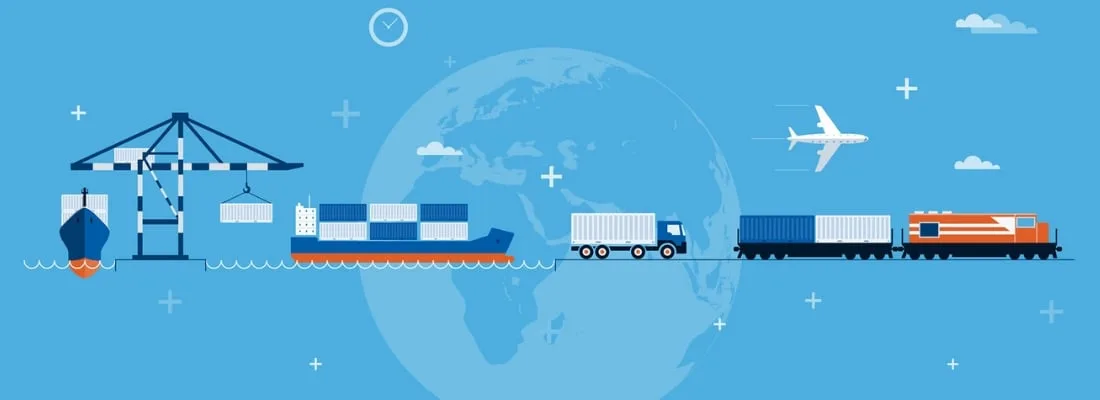
The future of e-commerce and nearshoring in Mexico depends on the ability to move goods through the megacity. Multi-story warehouses are the answer to urban geography and the key to unlocking the true speed of the last mile. Logistics is no longer just about the road; it's about the infrastructure that allows goods to reach from the port or plant to the city center as quickly as possible.
At Control Terrestre, we advise our clients on optimizing their distribution networks to take advantage of central infrastructure. Contact us to design your last-mile strategy.
📩 Want to stay up-to-date with the latest trends in logistics, commerce, and transportation? Subscribe to the Control Terrestre newsletter and don't miss any updates.