Moving freight between Mexico and the United States is not just a matter of loading goods onto a truck. Behind every shipment lies a chain of decisions, coordination, and stakeholders that, if not properly aligned, turn into delays, unexpected costs, and headaches no business needs.
The most common problem is not distance. It is fragmentation. A carrier in Mexico, another at the border, a customs broker, a carrier in the U.S., and in the middle: you, coordinating everything from your office and hoping no one fails.
There is a model that completely changes this equation: Door-to-Door transportation.
What is the Door-to-Door model?
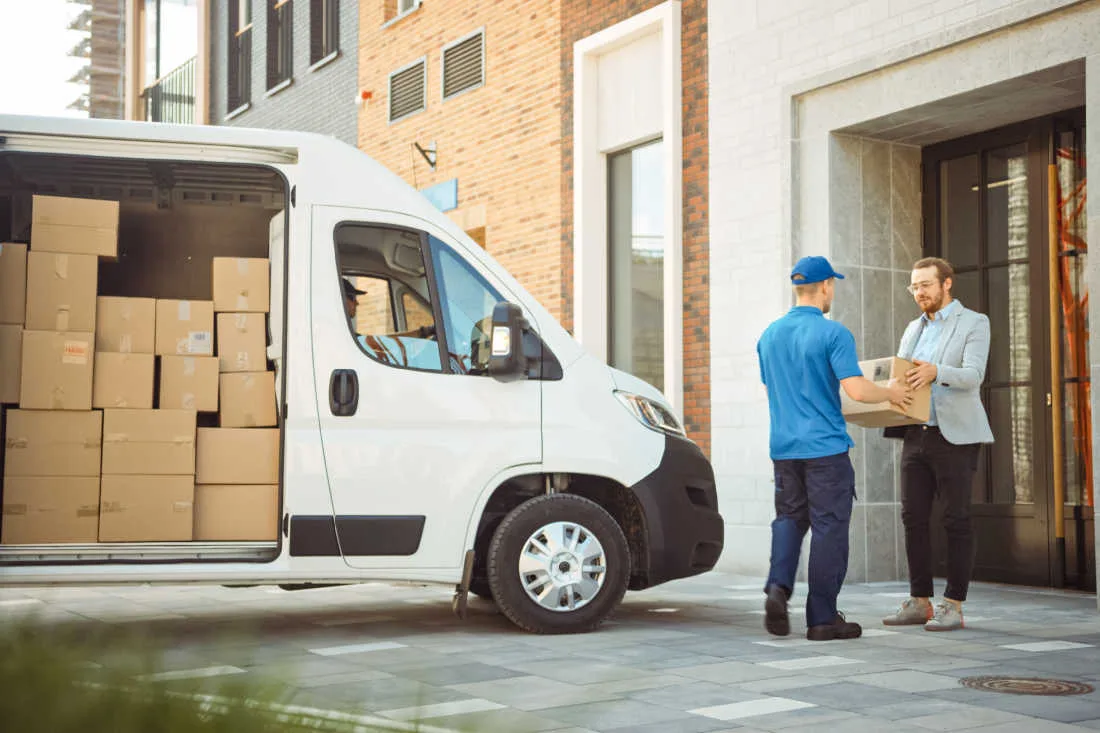
Door-to-Door transportation is exactly what its name suggests: your cargo is picked up at the point of origin and delivered to the final destination, without you having to manage multiple providers along the way.
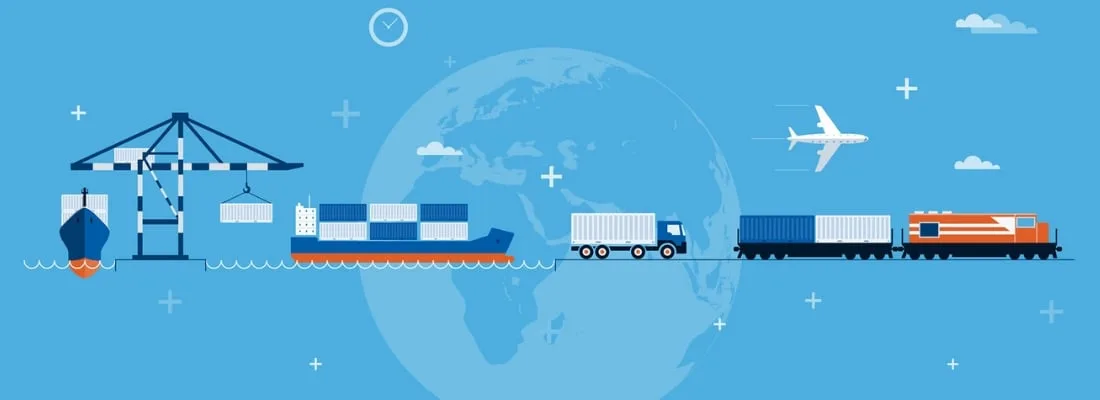
Instead of fragmenting the operation among several stakeholders, you work with a single logistics partner that centralizes the entire chain: pickup, domestic transportation, border crossing, and final delivery on U.S. territory (or vice versa). You have a single point of contact, a single point of responsibility, and visibility over the entire process.
For companies that move cargo regularly between both countries, this model is not a luxury. It is a concrete operational advantage.
The real benefits of centralizing your transportation
Operational simplification
Coordinating three or four different providers for a single shipment consumes time, energy, and resources. Each link in that chain has its own timelines, its own communications, and its own margins of error. When something goes wrong, finding the responsible party can be more complicated than solving the problem.
With Door-to-Door, the operation is simplified. There is a single provider that knows your cargo from the start and takes responsibility for it until delivery. Less coordination, less friction, less risk of something getting lost in communication.
Greater transportation control
Centralizing with a single logistics partner does not mean losing visibility: it means gaining it. When there is a single party responsible for the shipment from start to finish, traceability is clearer, communication is direct, and response times for any contingency are faster.
For companies that need to meet precise delivery windows or work with U.S. customers with strict receiving requirements, this level of control can make the difference between a successful operation and a costly one.
Reduced coordination time
Every transfer between providers involves time: communication time, waiting time, confirmation time. Multiply that by every shipment and every week of the year, and the accumulated cost in operational time is significant.
The Door-to-Door model eliminates those intermediate transfers. The result is a more agile operation, with fewer friction points and greater responsiveness to last-minute changes.
What type of companies does it work best for?
Door-to-Door transportation is especially valuable for companies that:
Ship frequently between Mexico and the U.S. and want to standardize their logistics process.
Work with American customers that demand punctuality and proper documentation.
Have had previous issues with coordination between multiple carriers or border delays.
Want to scale their export operation without proportionally scaling their administrative burden.
If your company is in a growth phase and the volume of your international shipments is increasing, this is exactly the right time to evaluate whether your current logistics model can sustain that growth.
The Mexico-U.S. corridor in 2026: context that matters
The current logistics environment further reinforces the logic behind Door-to-Door. Mexican exports are reaching record levels driven by nearshoring and industrial consolidation in the Bajío and the north of the country. At the same time, there is pressure on available transportation capacity in the U.S. stemming from new regulations on commercial driver's licenses.
In this context, having a logistics partner that already knows your operation, your cargo, and your usual destinations is not just convenient: it is a real competitive advantage over companies that rely on brokers and carriers who have never seen their freight before.
At Control Terrestre, we do this every day
At Control Terrestre, we have been moving cargo between Mexico and the United States for years with a service model that places the customer's operational simplicity at the center. We know the corridor, we know the border, and we know what it takes to deliver on time, with the correct documentation, and without surprises.
If you are looking to implement a Door-to-Door model for your shipments or want to evaluate whether your current operation can be optimized, we would be happy to walk you through the process.