March 31, 2026
For years, artificial intelligence in logistics was a topic of conferences, trade shows, and PowerPoint presentations that never got implemented. The promises were enormous; the concrete results were scarce. That changed. In 2026, AI is no longer in the testing phase — it is making real operational decisions on routes, inventories, delivery times, and risk detection. Companies that are adopting it are pulling away from the rest, and the gap grows with every passing month. For those of us who operate in logistics, especially along the Mexico–United States corridor, understanding what is happening with this technology is no longer optional. It is part of doing business.
1. From Experiment to Operational Tool: The Most Important Shift of the Year
The most significant shift this year is not a new algorithm or a specific technology platform — it is a mindset change across the entire industry. AI went from something companies "are exploring" to something they are using in production, every day.
According to the State of Supply Chain 2026 report from RELEX Solutions, 67% of manufacturing and retail leaders report greater confidence in using AI to make supply chain decisions compared to the previous year. Eighteen months ago, that number was considerably lower. The adoption curve is accelerating, and those still waiting for the "right moment" to get on board are losing ground.
However, adoption is not blind or total. The industry is finding an intelligent balance between automation and human judgment. 54% of companies prefer that AI generate recommendations while humans make the final decisions, and only 10% would trust AI to operate completely independently. This makes sense, especially in logistics, where a wrong decision doesn't just cost money — it can compromise an entire customer chain. The winning model is AI plus human, not AI instead of human.
What is clear is that organizations investing in AI today are building a competitive advantage that is difficult to catch up with later. According to Inbound Logistics, 71% of companies plan to invest in generative and agentic AI over the next three to five years. The train has already left the station.
2. Where It Is Generating Real Value: The Applications That Actually Work
Not all AI is the same, and not all applications generate the same return. In logistics, the ones delivering concrete and measurable results today are very specific — and that is precisely what makes them powerful.
The applications with the highest current adoption are inventory and supply optimization, in use or planned by 47% of companies, and intelligent logistics and routing, already applied by 41% of operators. These are not experimental tools — they are production systems that are reducing costs and improving delivery times in real operations.
In terms of measurable impact, the numbers are compelling. According to Market Reports World, predictive logistics technologies reduce forecasting errors by up to 50%, and 72% of companies that have already adopted AI report shorter delivery times. 60% of industry professionals believe AI has significantly improved inventory management.
Other applications gaining rapid traction include dynamic real-time route optimization, intelligent carrier selection based on performance history and rates, and disruption prediction before they become problems — from customs delays to capacity shortages in specific corridors. For those of us moving freight along the Mexico–United States corridor, where variables multiply quickly, these tools are competitive infrastructure, not an accessory.
3. What's Coming: AI Agents That Act, Not Just Recommend
If what we have seen so far is impressive, what is coming is even more ambitious. The next leap in AI for logistics is not more data or better dashboards — it is autonomous action. So-called AI agents are systems capable of executing complex tasks independently, not just making recommendations that a human must approve.
In practical terms, this means systems that can renegotiate rates with carriers when they detect a market shift, automatically reassign units in the event of a route disruption, or manage customs documentation without manual intervention. According to a recent report from Microsoft Industry, AI in logistics is already saving teams hundreds of hours per month, with a goal of operating more than 100 active AI agents by the end of 2026.
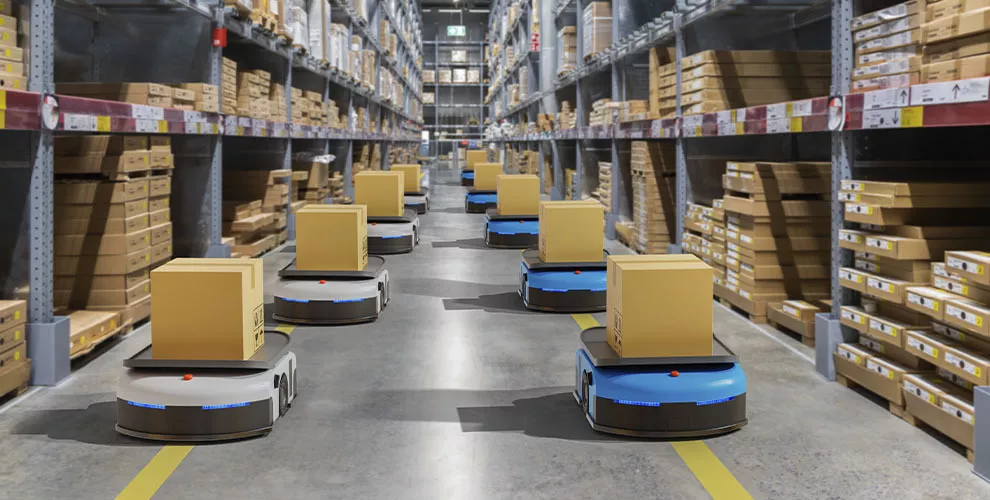
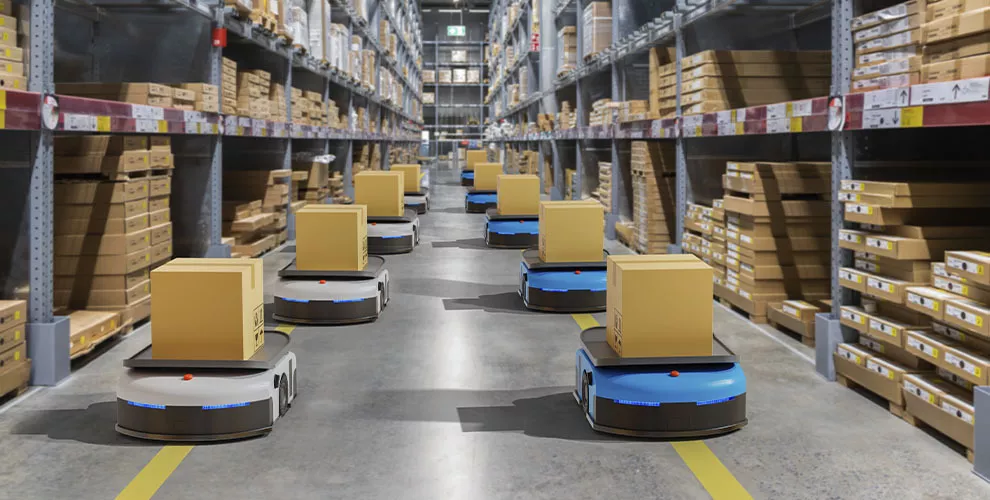
Computer vision is another frontier maturing quickly. According to Logistics Viewpoints, warehouses are already using AI-powered cameras to process goods faster, detect errors in real time, and optimize the use of physical space. Autonomous picking robots grew from 14% to 32% adoption between 2022 and 2026 — the fastest growth of any material handling technology in that period.
What all of this is building is what experts call self-healing supply chains: logistics networks that detect their own problems and reorganize to resolve them before the customer even notices.
At Control Terrestre, we are closely tracking these trends and intelligently incorporating technology into our operation. Technology does not replace experience, corridor knowledge, or the relationships we have built over the years — it amplifies them. And that combination is what allows us to offer you better visibility, more reliable transit times, and fewer surprises on every shipment.
Want to know how technology is improving our operation and what it means for your freight? Contact us today.