Dry Van Transport in Salt Lake City
Get QuoteBusiness Partners and Trained Personnel
We work with reliable business partners and have a highly trained team.
Certified Transportation Lines
We collaborate with certified transportation lines that comply with regulations and safety standards.
Specialized Units
Our fleet of specialized units perfectly adapts to the unique characteristics of your cargo.
24-Hour Monitoring
We maintain constant monitoring 24 hours a day, 7 days a week.
Optimal Deliveries and Punctuality
Our priority is to guarantee efficient and on-time deliveries even for the most challenging loads.
Security and Trust
Security and trust are our fundamental pillars at Control Terrestre.
National and International Coverage
Service in Mexico, United States, Canada and Central America with extensive distribution network.
International Certifications
Clean Transport, C-TPAT, Responsible Care, Trusted Resource, FAST, BASC, and BAS.
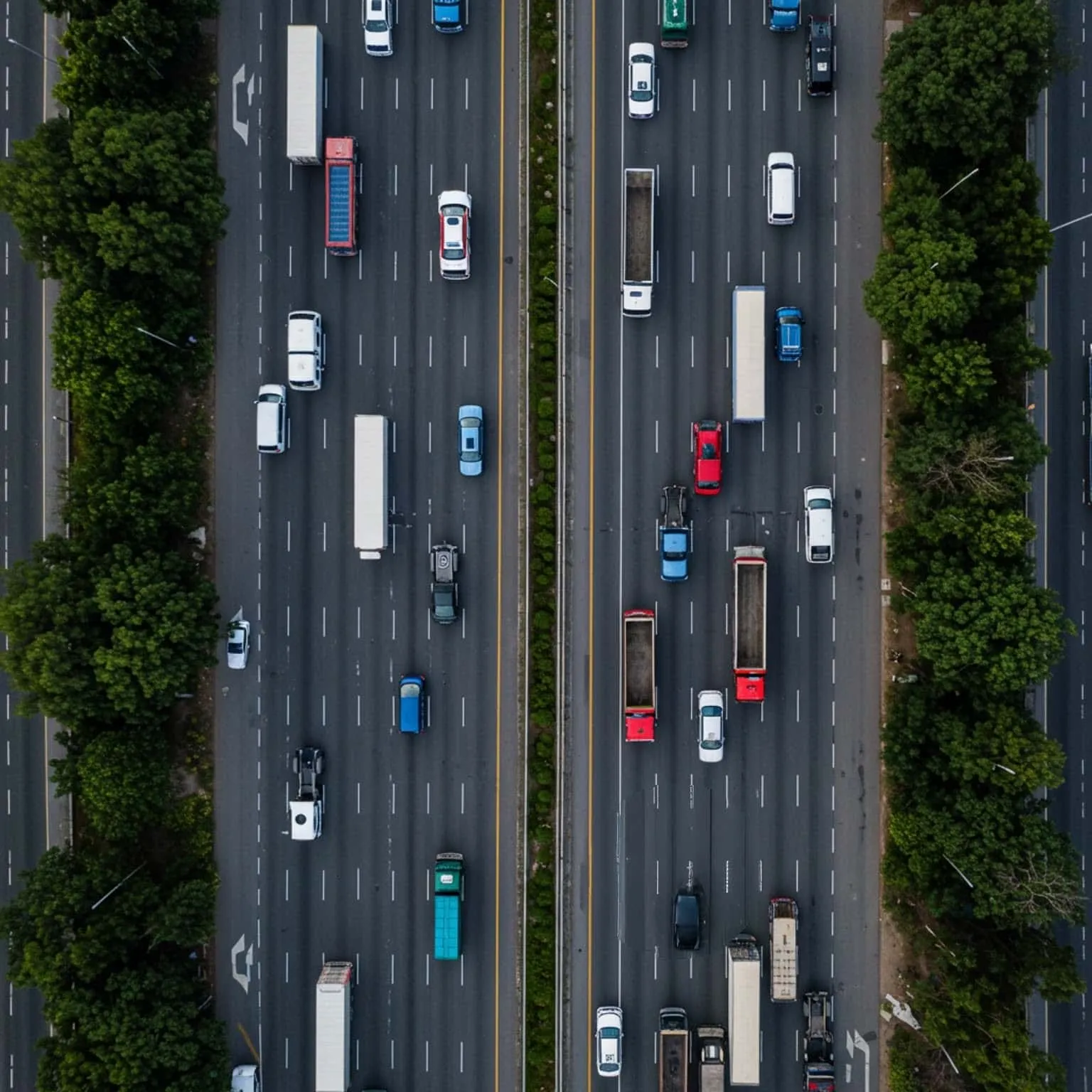
Dry van transport is the backbone of freight logistics in the United States, and Salt Lake City's position as a western distribution hub makes it one of the most active dry van capacity markets in the Intermountain region. Control Terrestre coordinates full truckload dry van transport through our alliance of experienced carriers, providing Salt Lake City companies with the enclosed, weather-protected shipping that most commercial products require.
From palletized technology products leaving Silicon Slopes warehouses to consumer goods flowing through the Utah Inland Port, dry van freight represents the largest volume of full truckload movements entering and leaving Salt Lake City. Our carrier network operates 48' and 53' dry van trailers in full and tandem configurations, offering the capacity and flexibility that shippers across multiple industries need to keep their goods moving reliably throughout North America.
Infrastructure and Connectivity
Salt Lake City's dry van freight flows benefit directly from the city's position at the convergence of I-15 and I-80. These two interstate highways create a transportation crossroads that connects the city with virtually every significant market in the western United States. I-15 carries high volumes of dry van freight between the Southwest Pacific and the Northern Rockies, while I-80 serves as the primary east-west corridor connecting the San Francisco Bay Area with the Midwest.
The Utah Inland Port Authority is rapidly developing into one of the largest inland port facilities in the country, attracting distribution centers and warehousing operations that generate substantial dry van volume. As more companies establish fulfillment and distribution operations in the Salt Lake City area, the demand for reliable dry van capacity continues to grow.
The Union Pacific rail hub in Salt Lake City creates intermodal transfer opportunities for dry van freight originating or terminating by rail, while the I-215 beltway provides efficient truck routing around the metropolitan area. For dry van carriers, Salt Lake City offers the combination of strong freight demand, efficient highway access, and a growing infrastructure that makes it an attractive market for both inbound and outbound loads.
Key Industries and Sectors
The technology sector generates a significant amount of dry van freight. Companies in Silicon Slopes ship servers, networking equipment, computer hardware, and packaged software products in dry vans, often on recurring schedules that align with production and fulfillment cycles. Data center construction projects across the west attract equipment and materials shipped in dry vans from distribution points in Salt Lake City.
Outdoor recreation and retail brands such as Black Diamond and Backcountry.com operate distribution centers in the area, shipping consumer products in dry vans to retailers and direct customers nationwide. These operations tend to have pronounced seasonal peaks that require flexible access to dry van capacity.
Construction materials, including finished products such as fixtures, hardware, and packaged building products, move in dry vans from manufacturing and distribution facilities in the Salt Lake City area to construction sites and retailers throughout the region. The distribution of health supplies, including medical supplies and non-temperature-sensitive equipment for the Intermountain Health network, adds another constant source of dry van freight volume.
The food industry also relies on dry vans for shelf-stable products. Packaged foods, beverages, and dry goods that do not require temperature control move in dry vans from processing and distribution facilities in Salt Lake City to grocery retailers and food service companies throughout the Intermountain West.
Our Solutions for Salt Lake City
Control Terrestre offers full truckload dry van service using 48' and 53' trailers in full and tandem configurations. This range of equipment allows us to accommodate different load sizes and weights, from standard palletized cargo to heavier shipments that benefit from tandem axle configurations for weight distribution.
Our carrier partners hold certifications including C-TPAT, FAST, BASC, Clean Transport, and Trusted Resource. For Salt Lake City companies shipping interstate or internationally to Mexico and Canada, these certifications provide the supply chain security credentials that major retailers, manufacturers, and government contractors increasingly demand from their transportation providers.
We coordinate dry van shipments throughout our coverage area in North America and Central America. Whether your freight moves from Salt Lake City to Los Angeles, Dallas, Mexico City, or Toronto, we manage carrier selection and shipment coordination to provide consistent service quality across various routes and distances. For companies with recurring shipping patterns, we can structure ongoing programs that provide predictable capacity and simplified logistics management.
Frequently Asked Questions
What is the difference between a 48' and a 53' dry van?
The main difference is the interior cargo space. A 53' dry van provides approximately 3,800 cubic feet of cargo space, while a 48' trailer offers approximately 3,400 cubic feet. The 53' trailer is the most common in the United States and is generally preferred to maximize cargo volume per shipment. However, 48' trailers may be required for certain routes, particularly cross-border shipments to Mexico where road infrastructure and regulations sometimes favor shorter trailers. We help shippers select the appropriate trailer length based on cargo volume, weight, and destination.
Can dry van freight be shipped from Salt Lake City to Mexico or Central America?
Yes. Control Terrestre coordinates full truckload dry van shipments throughout the United States, Mexico, Canada, and Central America. For cross-border shipments, our carriers hold certifications such as C-TPAT and FAST that support international freight operations. We manage coordination across borders so that your cargo moves with consistent handling from Salt Lake City to its final destination, regardless of the country where that destination is located.
How does Control Terrestre handle seasonal fluctuations in freight volume from Salt Lake City?
Salt Lake City industries such as outdoor recreation retail and construction materials experience seasonal demand peaks that require additional dry van capacity. Our carrier alliance provides access to a broad pool of capacity that can scale with your shipping volumes. Instead of relying on a single carrier, we leverage our network to secure the trailers you need during peak periods while maintaining the service quality and carrier vetting standards we apply to all our shipments throughout the year.

Freight experts
Ground freight from North to Central America with full coverage and 24/7 monitoring.