
Zacapa to Miami
Miami → ZacapaFTL freight transportation service between Zacapa and Miami. Reliable logistics solutions for your business.
Route Description
Everything you need to know about the corridor Zacapa - Miami
The logistics corridor between Zacapa, Guatemala, and Miami, Florida, represents a vital trade route connecting Central America with the United States. This cross-border corridor spans approximately 1,544 kilometers, facilitating the movement of goods between Guatemala's industrial heartland and one of the busiest ports in the United States. The route traverses diverse terrain and crosses international borders, making it essential for companies engaged in import-export activities between these two regions.
The corridor serves as a critical link for various industries, including agricultural products, textiles, automotive parts, and electronics. Zacapa's strategic location in Guatemala's eastern region positions it as a key distribution point for goods destined for international markets. Miami, with its status as a major gateway to Latin America and the Caribbean, provides unparalleled access to both domestic U.S. markets and international destinations. The economic significance of this route continues to grow as trade between Guatemala and the United States expands.
Transportation infrastructure along this corridor includes Guatemala's CA-9 highway connecting Zacapa to the Mexican border, followed by Mexico's Federal Highway 186 and U.S. Interstate 10, ultimately connecting to Florida's highway network. The route requires crossing at key border points such as Ciudad Hidalgo or Ciudad Cuauhtémoc, with subsequent customs clearance procedures in the United States. Control Terrestre provides comprehensive FTL services along this corridor, ensuring secure, efficient, and compliant transportation of full truckloads between Zacapa and Miami.
Services for this Route
Available services for the corridor Zacapa - Miami
 Origin
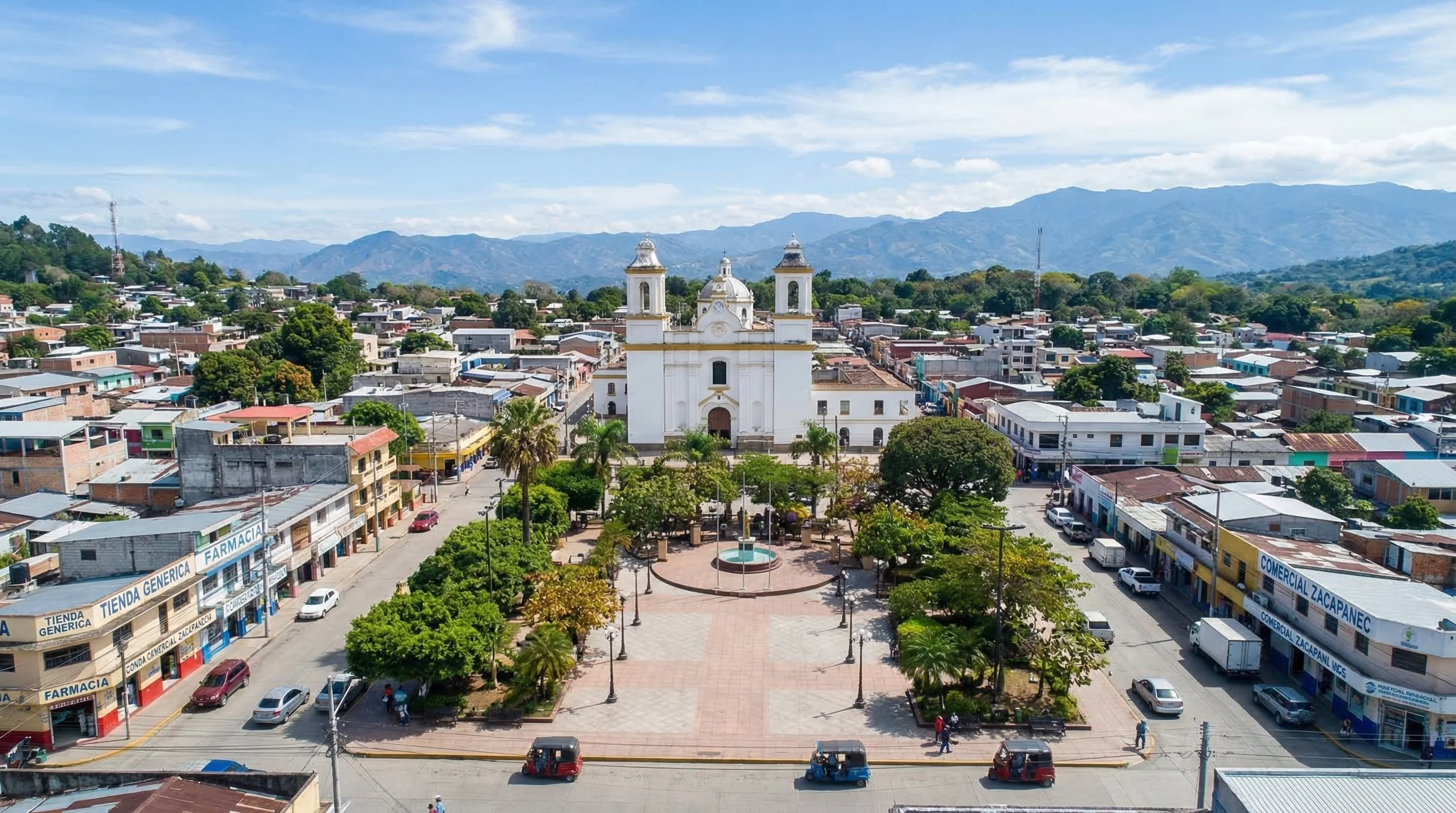
Zacapa, located in eastern Guatemala, serves as a strategic logistics hub for the region. The city benefits from its position along major transportation routes connecting Guatemala's interior with international borders. Zacapa's economy is diverse, with significant activity in agriculture, food processing, and manufacturing sectors. The region is known for producing sugar, cardamom, and various agricultural products that require reliable transportation to international markets. The city's industrial parks and manufacturing facilities generate substantial freight volume, making it an important origin point for cross-border logistics operations.
 Destination
Miami
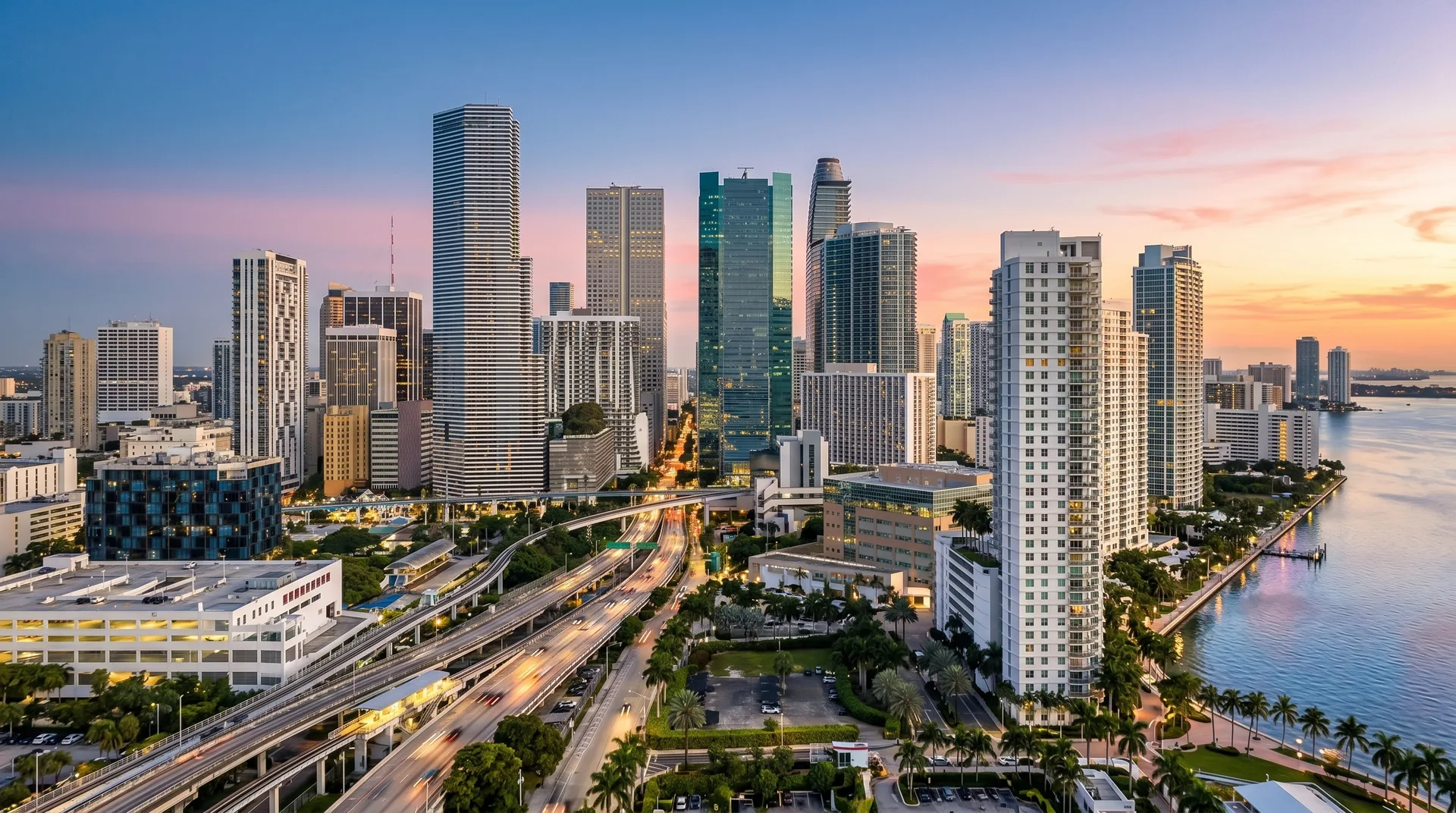
Miami, Florida, stands as one of the most important logistics hubs in the United States, particularly for trade with Latin America and the Caribbean. The city's strategic location provides direct access to both domestic U.S. markets and international destinations through its extensive port facilities, international airport, and well-developed highway network. Miami's economy is diverse, encompassing international trade, finance, healthcare, and technology sectors. The Port of Miami and Miami International Airport handle millions of tons of cargo annually, making the city a critical gateway for goods entering and leaving the United States. The region's robust infrastructure supports efficient distribution throughout the southeastern United States and beyond.










