Zacapa to Manzanillo
Manzanillo → ZacapaFTL freight transportation service between Zacapa and Manzanillo. Reliable logistics solutions for your business.
Route Description
Everything you need to know about the corridor Zacapa - Manzanillo
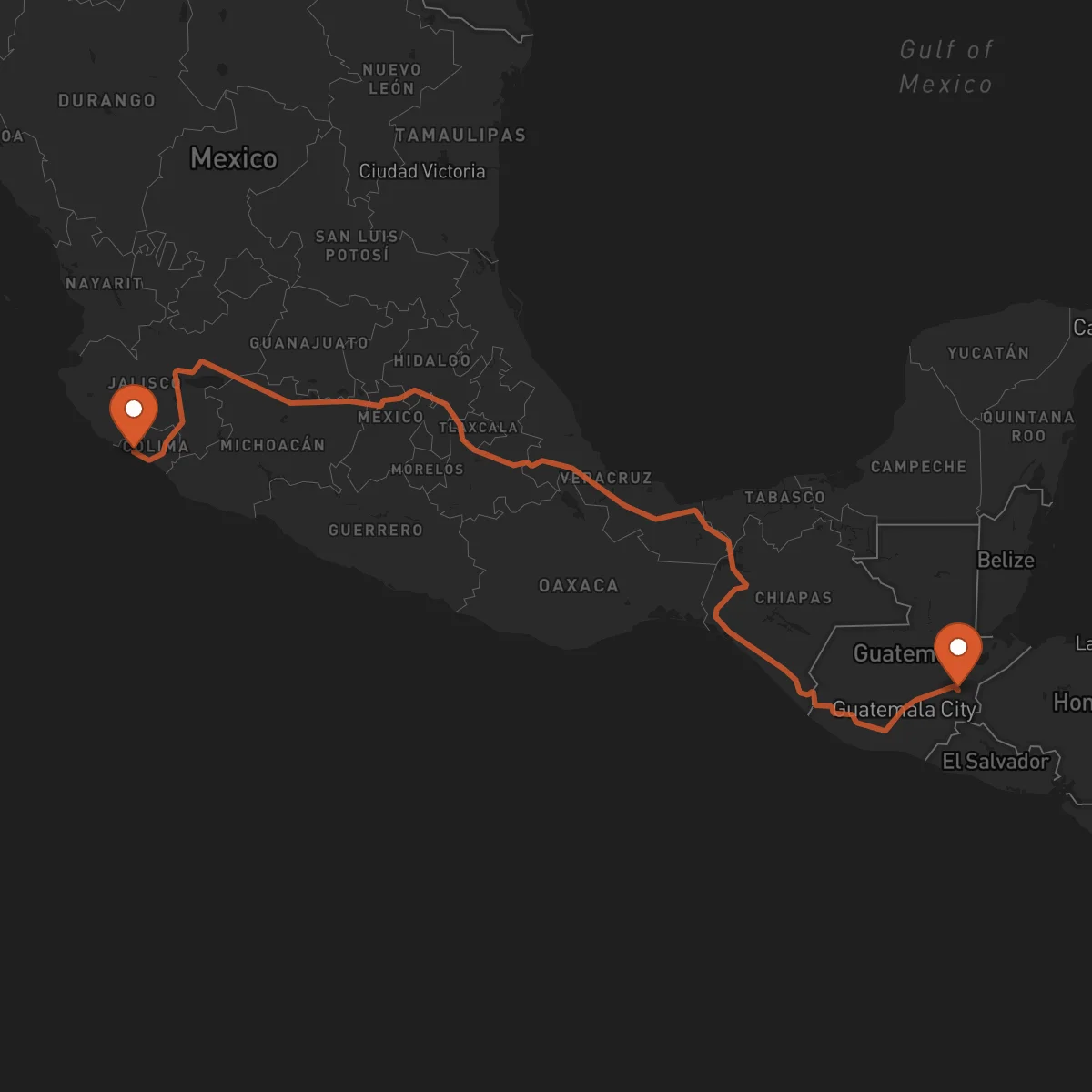
The Zacapa to Manzanillo corridor represents a critical north-south artery connecting Central America's heartland with Mexico's Pacific gateway. Spanning approximately 1,635 kilometers, this cross-border route is strategically vital for moving goods between Guatemala and the global market via one of Mexico's busiest ports. It serves as a primary conduit for regional trade, linking agricultural and manufacturing hubs with international shipping lanes. The economic context is defined by robust trade flows under agreements like CAFTA-DR, facilitating the movement of raw materials inbound and finished goods outbound. Key industries leveraging this corridor include agricultural exports (coffee, bananas, sugar), processed foods, textiles, and building materials, alongside imported manufactured goods and machinery. The transportation infrastructure relies on Guatemala's CA-9 highway, which transitions into Mexico's Federal Highway 200 along the Pacific coast and Federal Highway 80 towards the interior. The primary border crossing is at Tecún Umán/ Ciudad Hidalgo, a bustling point where efficient customs clearance is paramount. Control Terrestre facilitates seamless operations on this corridor through our exclusive focus on Full Truckload (FTL) solutions. We leverage our strategic alliance of certified providers, all holding credentials like C-TPAT, FAST, and BASC, to navigate complex cross-border documentation and customs processes. Our expertise in dedicated, expedited, and specialized cargo transport—including refrigerated and oversized loads—ensures we tailor solutions to the specific demands of this high-volume trade lane, providing our clients with a single, reliable point of contact for their end-to-end freight needs.
Services for this Route
Available services for the corridor Zacapa - Manzanillo
 Origin
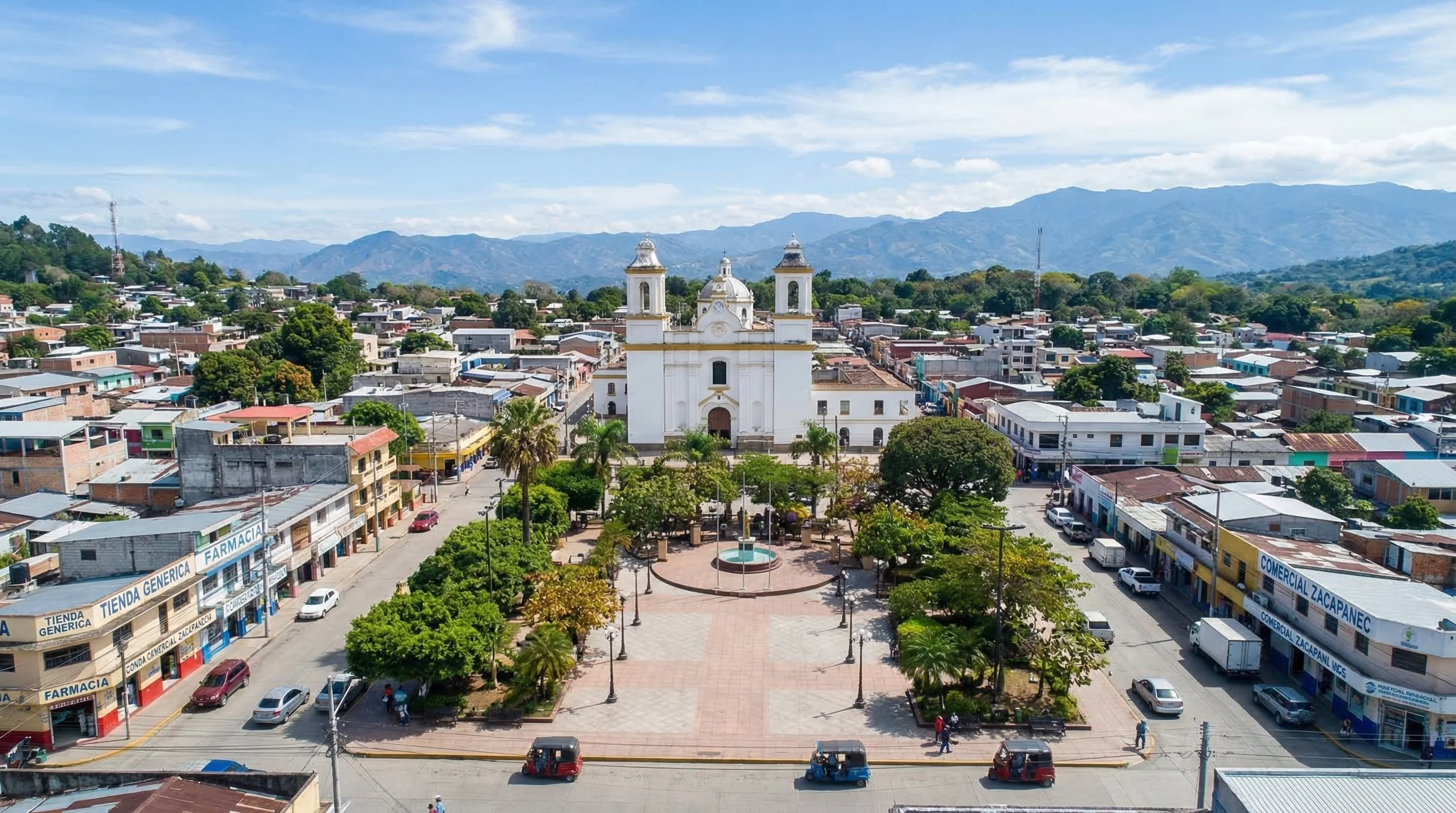
Zacapa, the capital of Guatemala's Zacapa department, is a pivotal logistics hub in the country's eastern region. Its strategic location places it directly on the CA-9 highway, the main north-south artery connecting Guatemala City to the borders with Honduras and El Salvador, and critically, to the Tecún Umán border crossing with Mexico. This positioning makes it a natural aggregation and dispatch point for freight destined for the Pacific corridor. The local economy is driven by agriculture, particularly sugarcane, tobacco, and tropical fruits, alongside cattle ranching and emerging light manufacturing. The city's infrastructure is supported by the well-maintained CA-9, which facilitates efficient truck movement to the border. For logistics operators, Zacapa offers a key staging ground with services for cargo consolidation, warehousing, and cross-border compliance, serving as the primary Guatemalan launchpad for the Pacific route to Manzanillo.
 Destination
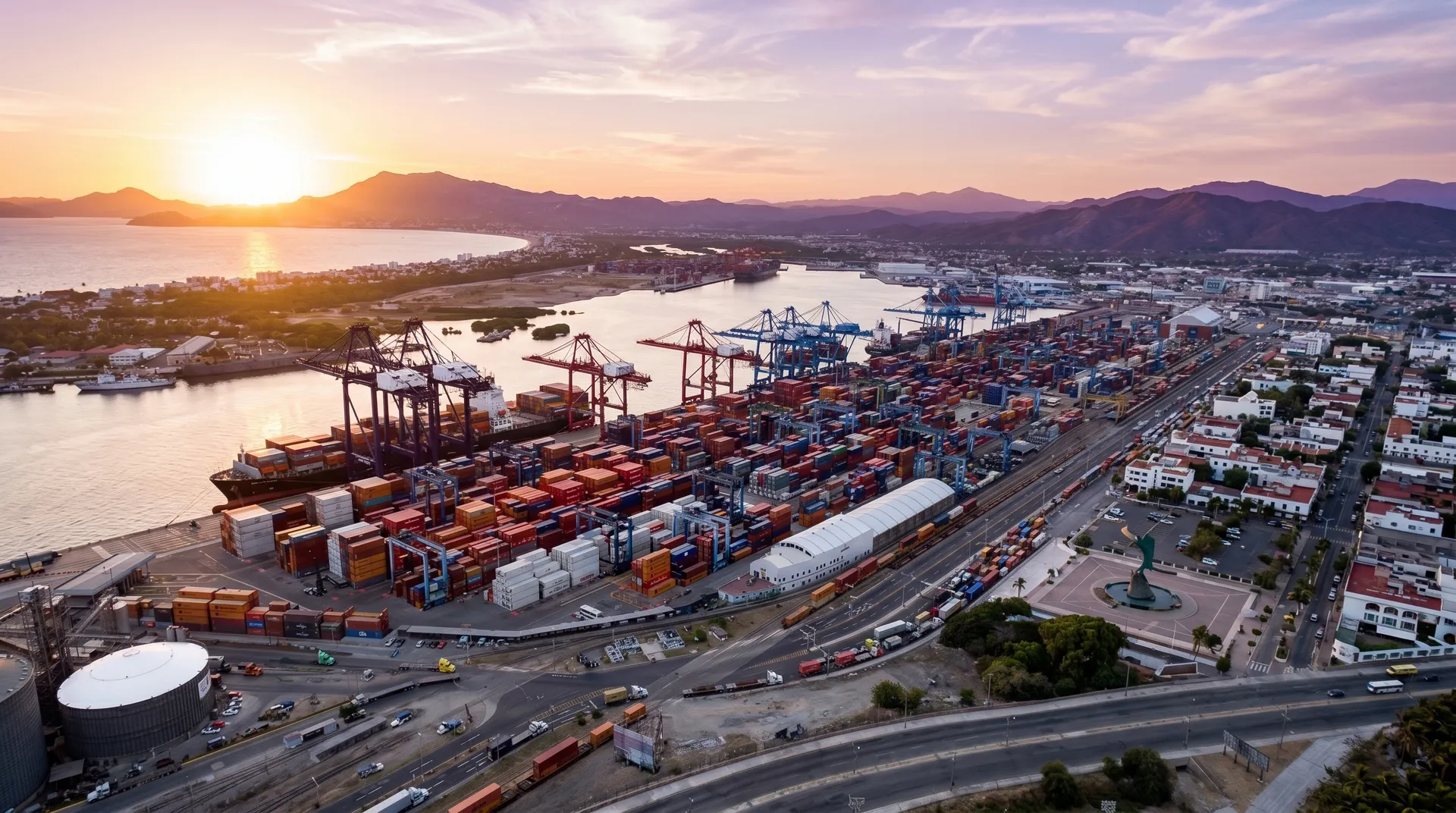
Manzanillo, located in the state of Colima, is one of Mexico's most significant port cities and a crucial node in global maritime logistics. Its strategic importance stems from the Port of Manzanillo, the country's busiest Pacific port and a major hub for trade with Asia and the Americas. This makes the city the ultimate destination and origin point for a vast volume of import and export freight. Key industries in the region are deeply tied to the port, including international trade logistics, warehousing and distribution, naval repair, and tourism. The port's massive container and bulk cargo terminals drive economic activity. Transportation infrastructure is exceptional, with direct highway access via Mexican Federal Highway 200 (the Pacific coastal route) and Federal Highway 80, which connects inland to Guadalajara and Mexico City. This robust road network allows for efficient door-to-door distribution across Mexico and onward to the U.S. border. For freight forwarders, Manzanillo represents a high-capacity gateway where seamless port operations and clear highway access are essential for supply chain velocity.










