Yoro to Toluca
Toluca → YoroFTL freight transportation service between Yoro and Toluca. Reliable logistics solutions for your business.
Route Description
Everything you need to know about the corridor Yoro - Toluca
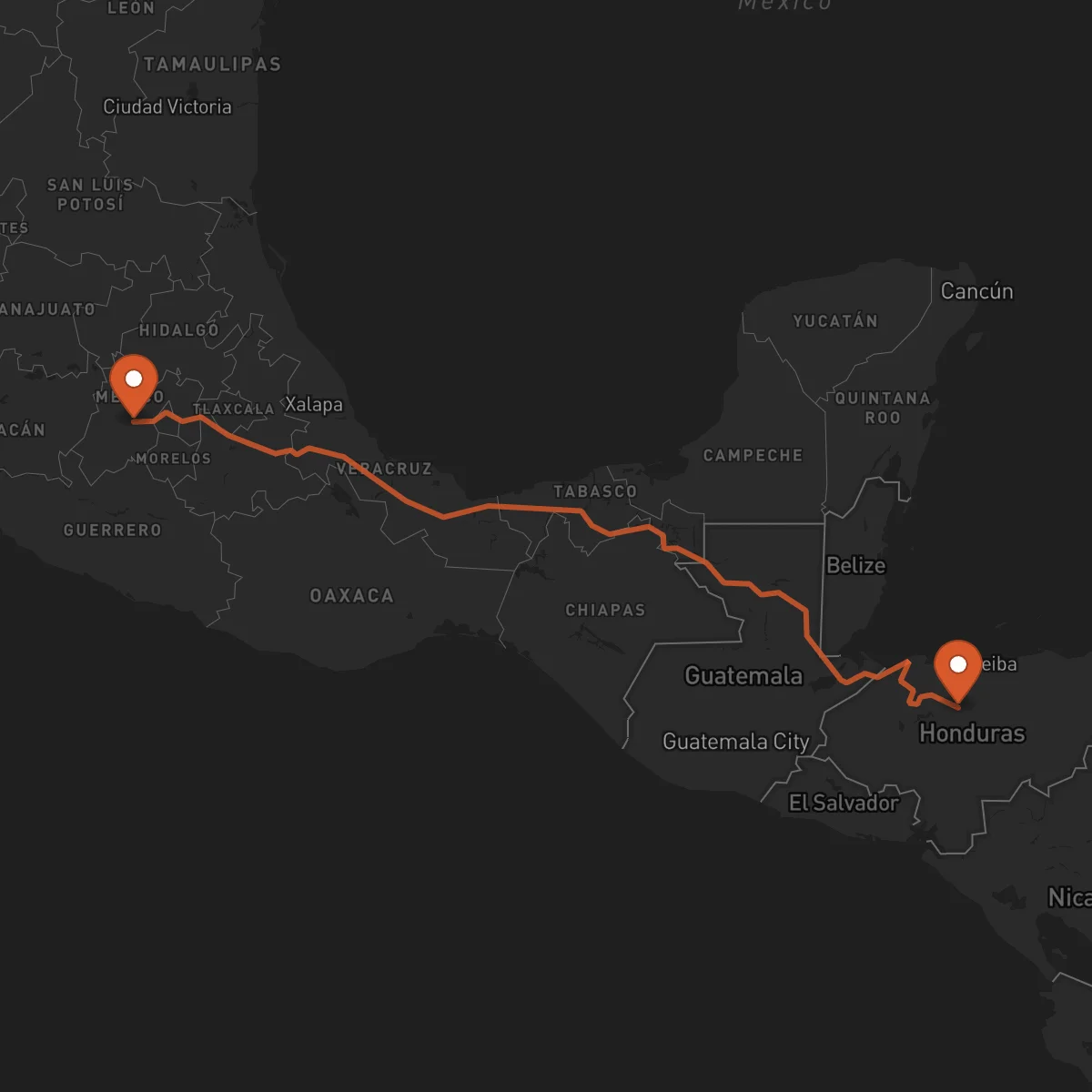
The Yoro, Honduras to Toluca, México corridor is a critical cross-border artery connecting Central America's agricultural heartland with one of México's most significant industrial and manufacturing hubs. This approximately 1,408 km route serves as a vital economic conduit, facilitating the north-south flow of goods essential for both regional economies. The corridor's strategic importance is underscored by its role in integrating supply chains, moving raw materials and finished products between key production zones and major consumer markets.
Economically, this route bridges the primary export sectors of Honduras—including coffee, bananas, palm oil, textiles, and apparel—with the dense industrial corridor of central México. Toluca and the surrounding Estado de México region are manufacturing powerhouses, particularly in automotive, aerospace, food processing, and general manufacturing. Consequently, the corridor sees consistent traffic in both directions: raw agricultural inputs and components heading south to Honduran factories, and finished industrial goods, machinery, and consumer products moving north. This bi-directional trade supports thousands of jobs and underpins regional economic stability.
Industries heavily reliant on this corridor include agribusiness (for export crops and inputs), textile and apparel manufacturing (a major sector in Honduras), automotive parts suppliers, and general consumer goods distributors. The transportation of specialized cargo, such as refrigerated goods for perishable exports and oversized equipment for industrial projects, is also common. Control Terrestre facilitates these operations by providing exclusive Full Truckload (FTL) solutions, leveraging our alliance network to match cargo with appropriately certified carriers. Our providers hold key credentials like C-TPAT and FAST, which help streamline customs procedures at the Guatemala-México border, a primary crossing point for this route. We coordinate dedicated, expedited, and specialized transport—including refrigerated and flatbed units—to ensure cargo moves efficiently from origin facilities in Yoro directly to manufacturing plants or distribution centers in the Toluca metropolitan area.
The physical infrastructure relies on a combination of Central American and Mexican highway networks. The journey typically begins on Honduras' CA-5 highway, continues through Guatemala via the CA-1 and routes to the border, and then enters México on Federal Highways such as the 190 and 200 before connecting to the 57 and 15D towards Toluca. While infrastructure is generally robust, navigating the border crossing—commonly at points like Tecún Umán/ Ciudad Hidalgo—requires meticulous documentation and compliance with both Honduran/Guatemalan and Mexican customs regulations. Control Terrestre's expertise in cross-border logistics and our providers' valid certifications (BASC, Clean Transportation) ensure adherence to all customs and security protocols, mitigating delays and providing our clients with a seamless door-to-door experience for their full truckload shipments.
Services for this Route
Available services for the corridor Yoro - Toluca
 Origin
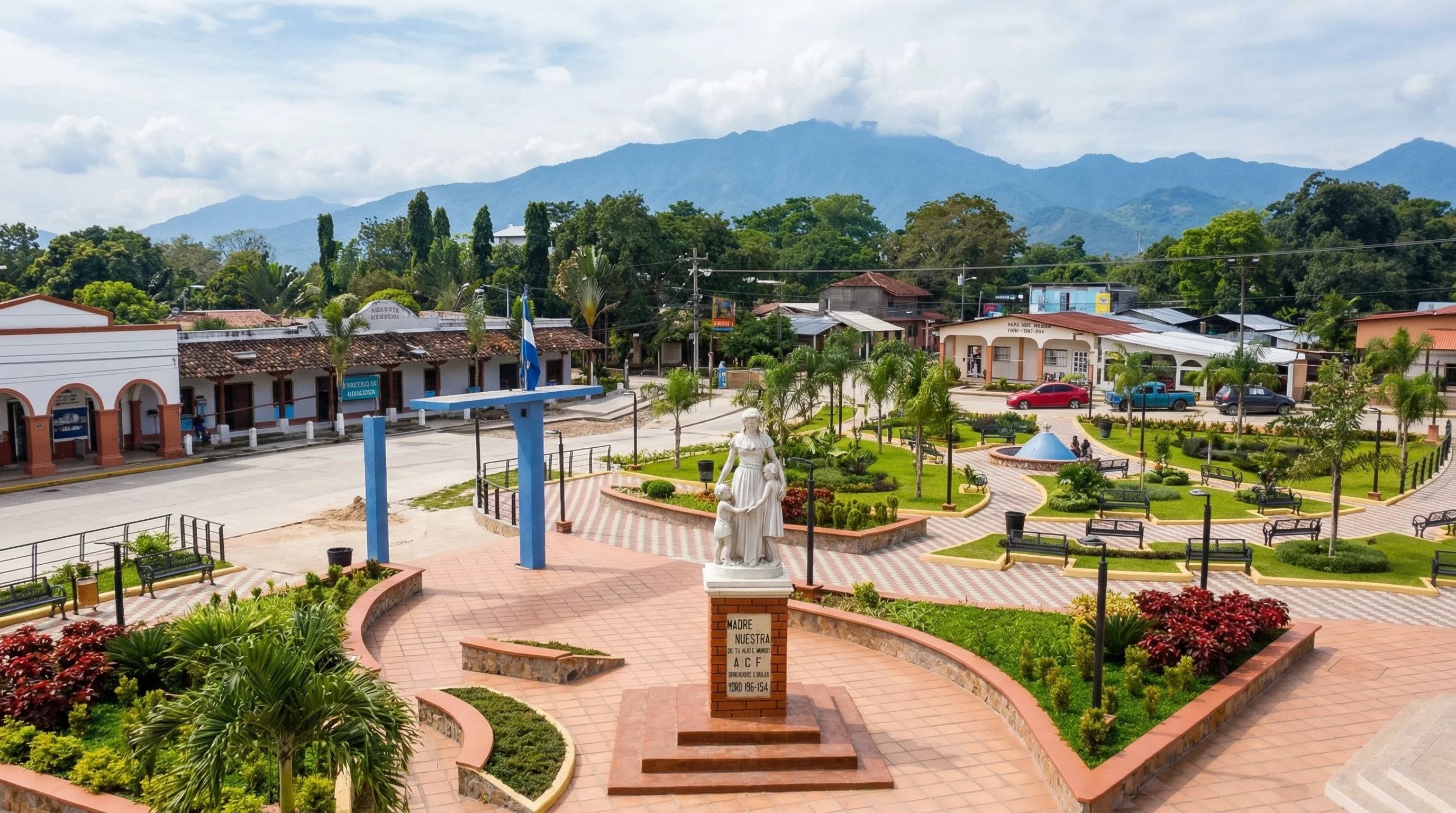
Yoro, located in the Sula Valley of northern Honduras, is a strategic logistics origin with excellent connectivity to both domestic production zones and international ports. Its location provides direct access to the bustling Puerto Cortés, one of Central America's largest and most efficient deep-water ports, which is crucial for global export chains. The region is traversed by the CA-5 highway, the main north-south arterial road in Honduras, linking Yoro to the capital, Tegucigalpa, and the northern coast. This infrastructure supports efficient collection of goods from surrounding agricultural and manufacturing areas.
Economically, Yoro and the broader Sula Valley are the industrial and agricultural powerhouse of Honduras. The region is world-renowned for coffee production, with high-altitude farms in the surrounding mountains. It is also a major producer of bananas, palm oil, and tropical fruits. Beyond agriculture, the area hosts significant textile and apparel maquilas (assembly plants), which are major exporters to the United States and require reliable inbound supply of raw materials and outbound shipping of finished garments. Other sectors include food processing and basic manufacturing. These industries generate consistent, high-volume freight that requires robust, long-haul transportation solutions to international markets, particularly into México and beyond.
The available transportation infrastructure is tailored for heavy freight. The CA-5 highway is a four-lane divided highway for much of its length, capable of handling large trucks. Rail connections, though limited, exist for certain bulk commodities. The proximity to Puerto Cortés means that export cargo can be efficiently consolidated before ocean transit, while imports and domestic freight move steadily along the highway network. For Control Terrestre's clients, Yoro represents a well-established origin point where we can deploy our full range of FTL equipment—from dry vans and reefers for agricultural goods to flatbeds for industrial equipment—to initiate the cross-border journey to México with precision.
 Destination
Toluca
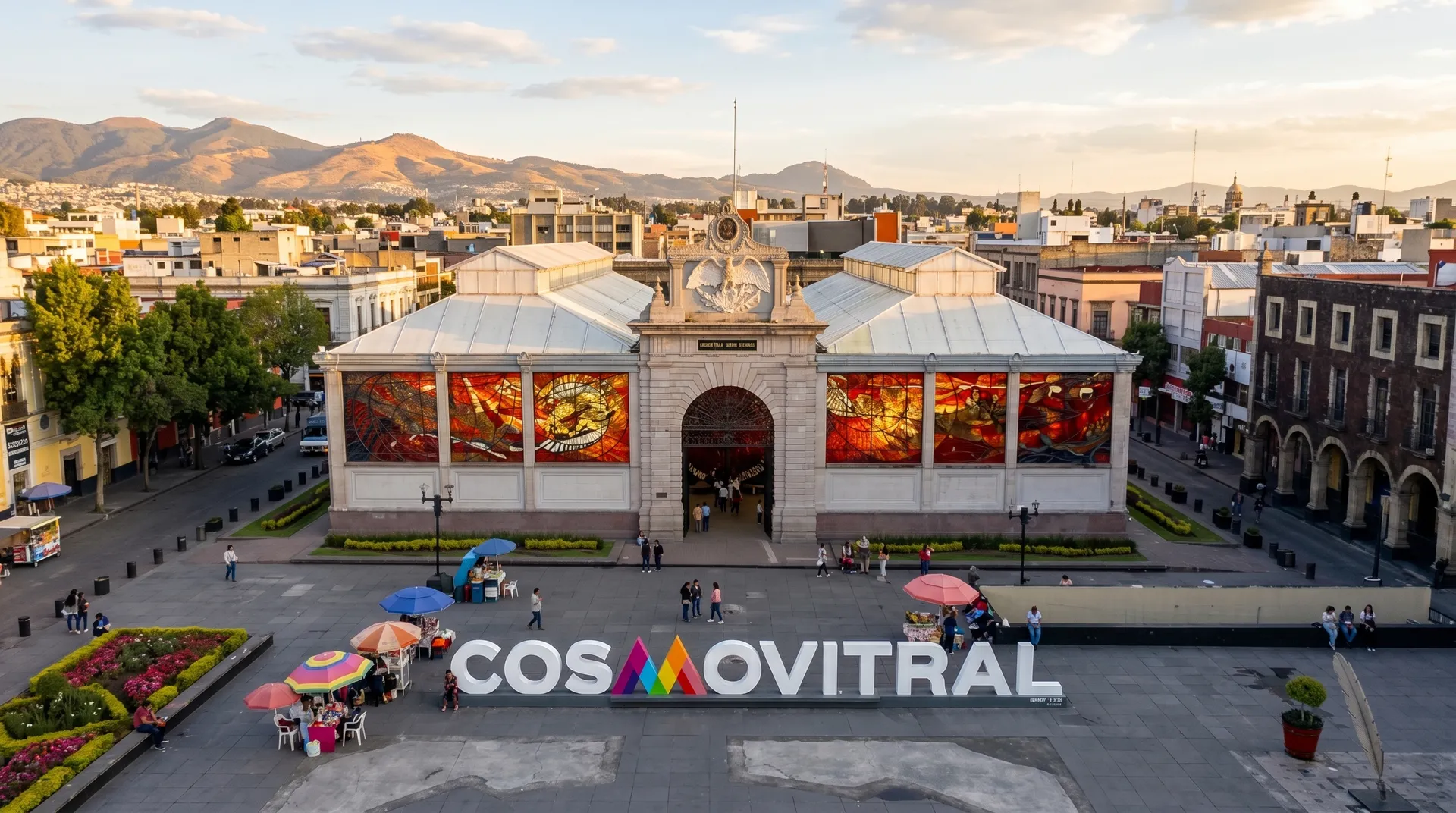
Toluca, the capital of the Estado de México, is a premier logistics destination and a cornerstone of central México's industrial landscape. Its strategic value lies in its position within the country's most populous and economically dynamic region, offering unparalleled access to a vast consumer market and a dense network of suppliers. The city is a major hub with multimodal connectivity, including direct access to the Toluca International Airport (AIT), important rail lines operated by Ferromex, and a comprehensive network of federal highways. Key highways like the 57 (México-Puebla corridor), 55 (Toluca-Ixtapan de la Sal), and the 15D (Toluca-Guadalajara) enable rapid distribution to virtually any point in central, northern, and western México.
Toluca's economy is dominated by advanced manufacturing and industry. It is a critical automotive manufacturing center, hosting major assembly plants for brands like Nissan, General Motors, and Volkswagen, along with a vast ecosystem of Tier 1, 2, and 3 parts suppliers. The aerospace industry is also growing significantly. Complementing this are strong sectors in food and beverage processing, pharmaceuticals, metal mechanics, and plastics. This industrial concentration creates intense demand for inbound logistics (transporting components, raw materials, and machinery from ports and other domestic zones) and outbound logistics (shipping finished vehicles and parts to dealerships and export gates). The corridor from Yoro directly serves this demand, particularly for certain agricultural inputs, specialty chemicals, and manufactured goods.
The transportation infrastructure is world-class for land freight. The highway network is extensive and well-maintained, supporting high volumes of truck traffic. The Toluca airport handles significant cargo volumes, and rail intermodal yards provide an alternative for certain freight. For Control Terrestre, Toluca is a key destination where our FTL services—including dedicated fleets for recurring automotive shipments, refrigerated units for food products, and specialized equipment for oversized industrial parts—are in high demand. We leverage our providers' certifications to ensure efficient final-mile delivery into the city's industrial parks and manufacturing zones, completing the cross-border journey from Honduras with reliability.










