Yoro to Milwaukee
Milwaukee → YoroFTL freight transportation service between Yoro and Milwaukee. Reliable logistics solutions for your business.
Route Description
Everything you need to know about the corridor Yoro - Milwaukee
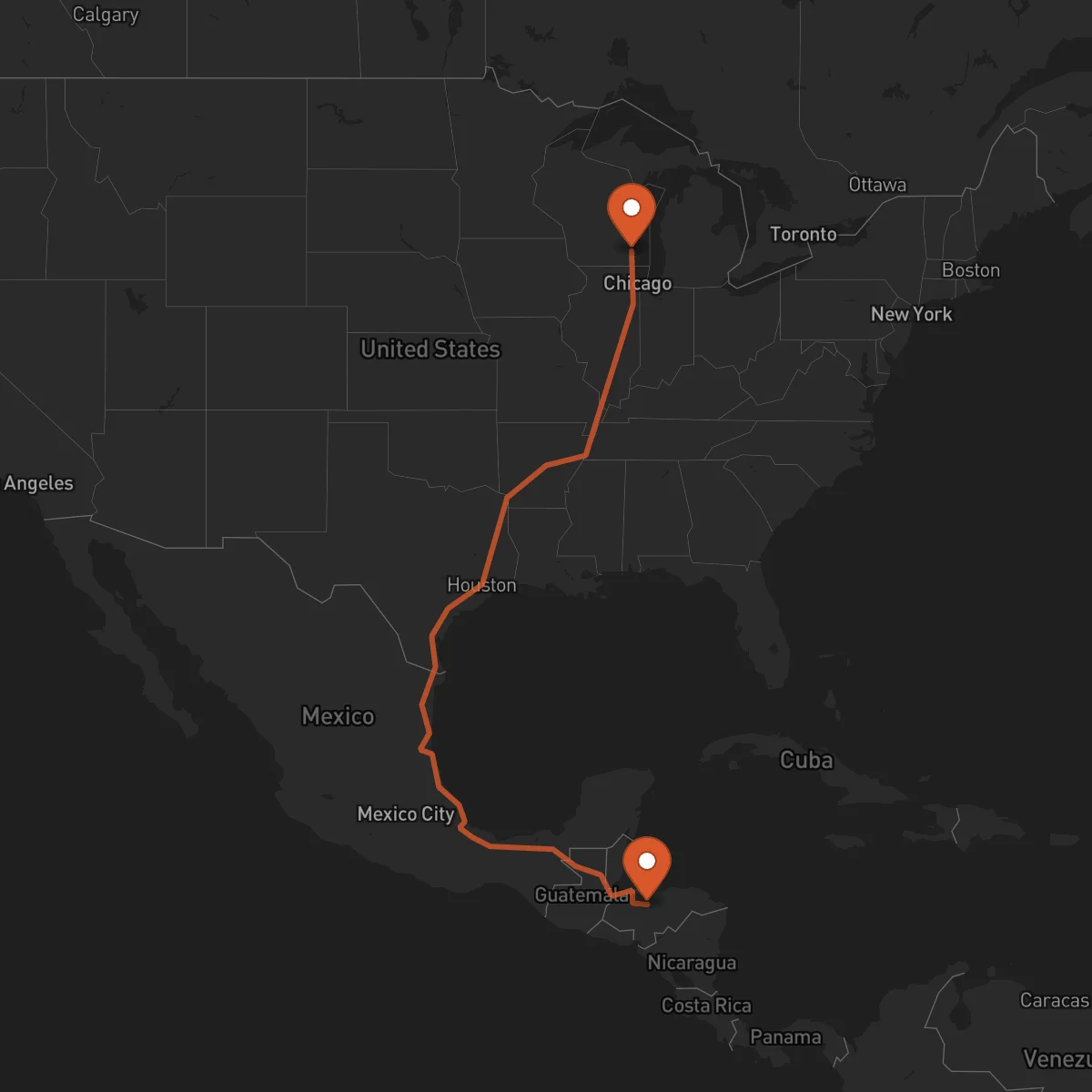
The Yoro, Honduras to Milwaukee, Wisconsin corridor represents a vital North American trade link, connecting Central American production with the industrial heartland of the United States. This strategic cross-border route facilitates the efficient movement of goods across approximately 3,104 kilometers, bridging a key manufacturing and agricultural region with a major distribution and consumer market. For businesses, optimizing this corridor means securing a reliable flow of raw materials inbound from the south and distributing finished products northward, directly impacting supply chain resilience and cost efficiency.
Economically, the region is defined by robust industrial activity. Honduras, and the Yoro department specifically, is a significant producer of agricultural commodities, textiles, and manufactured components. Milwaukee, a historic manufacturing hub in the Upper Midwest, maintains a diverse industrial base including heavy machinery, food processing, automotive parts, and brewing. The primary industries leveraging this corridor include agriculture (coffee, banana, palm oil), apparel and textiles, industrial components, and consumer packaged goods. The consistent demand for full truckload (FTL) capacity to move these goods underscores the corridor's commercial importance.
Transportation infrastructure relies on a combination of Central American and U.S. highway networks. The typical route traverses Honduras's CA-5 highway, crosses into Guatemala and Mexico via key border points (like Tecún Umán/ Ciudad Hidalgo), and then utilizes Mexico's extensive toll road network before reaching the U.S. border at Laredo, Texas. From there, the I-35 corridor provides a direct northward path through Texas, Oklahoma, Iowa, and into Wisconsin. The most significant customs and regulatory consideration is the complex, multi-country border crossing process, which demands expertise in documentation, customs compliance, and security programs.
Control Terrestre facilitates seamless operations on this demanding corridor through our robust alliance of specialized transportation providers. Our network includes carriers with critical certifications such as C-TPAT, FAST, and BASC, ensuring expedited processing at the U.S. border and compliance with all security protocols. We exclusively manage full truckload (FTL) shipments—including dry van, refrigerated, and specialized equipment—offering dedicated and expedited solutions. By handling the intricate logistics of this multi-national route, from door in Yoro to door in Milwaukee, we provide our clients with a single, accountable point of contact to navigate infrastructure, regulatory, and operational challenges, transforming a complex corridor into a streamlined supply chain solution.
Services for this Route
Available services for the corridor Yoro - Milwaukee
 Origin
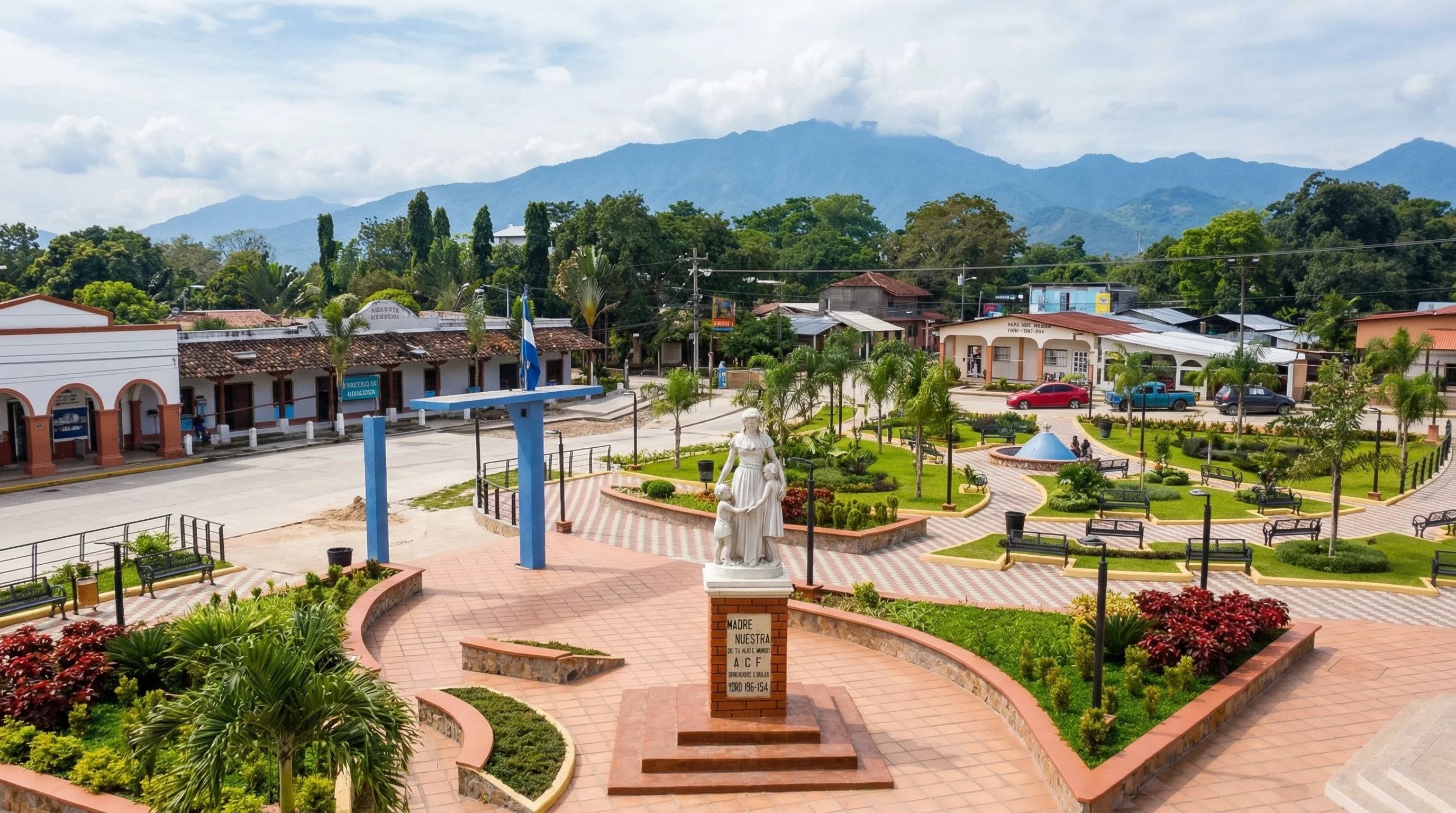
Yoro, located in the north-central region of Honduras, serves as a strategic agricultural and light manufacturing origin point for North American trade. The department is famously known as the 'Land of the Pineapple' and is a major producer of coffee, bananas, African palm, and sugarcane, alongside growing textile and apparel manufacturing sectors. Its logistical position is enhanced by proximity to the Caribbean coast and the CA-5 highway, which forms the backbone of Honduras's road network, connecting the capital, Tegucigalpa, to the northern border with Guatemala. This infrastructure provides the initial overland link for exports moving north. The primary outbound freight from this region consists of bulk agricultural products, processed foods, and manufactured goods requiring reliable FTL service to reach international markets efficiently.
 Destination
Milwaukee
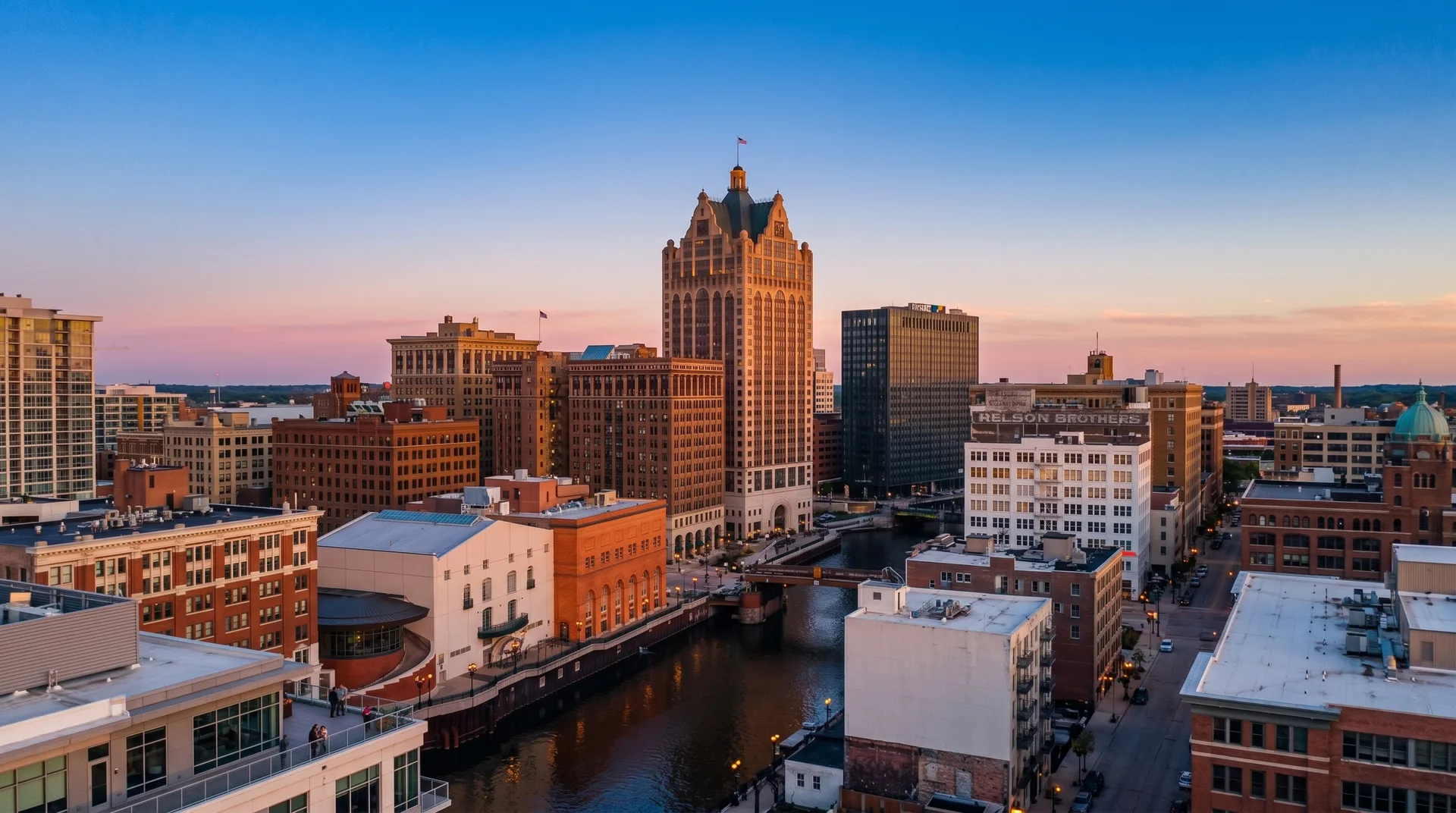
Milwaukee, Wisconsin, is a premier logistics and industrial destination in the Upper Midwest, strategically positioned on the western shore of Lake Michigan. Its economy is historically rooted in heavy manufacturing—machinery, equipment, and metal fabrication—and has diversified into food and beverage production (including a global brewing industry presence), biotechnology, and printing. The city's logistics strength is anchored by the Port of Milwaukee, offering Great Lakes shipping access, and its intersection of major interstate highways I-94 and I-43, which connect it to Chicago, Minneapolis, and St. Louis. This multimodal infrastructure makes it a critical distribution hub for the region. Inbound freight typically includes raw materials for manufacturing, components, and a wide array of finished goods destined for regional warehouses and final-mile delivery across the Midwest.










