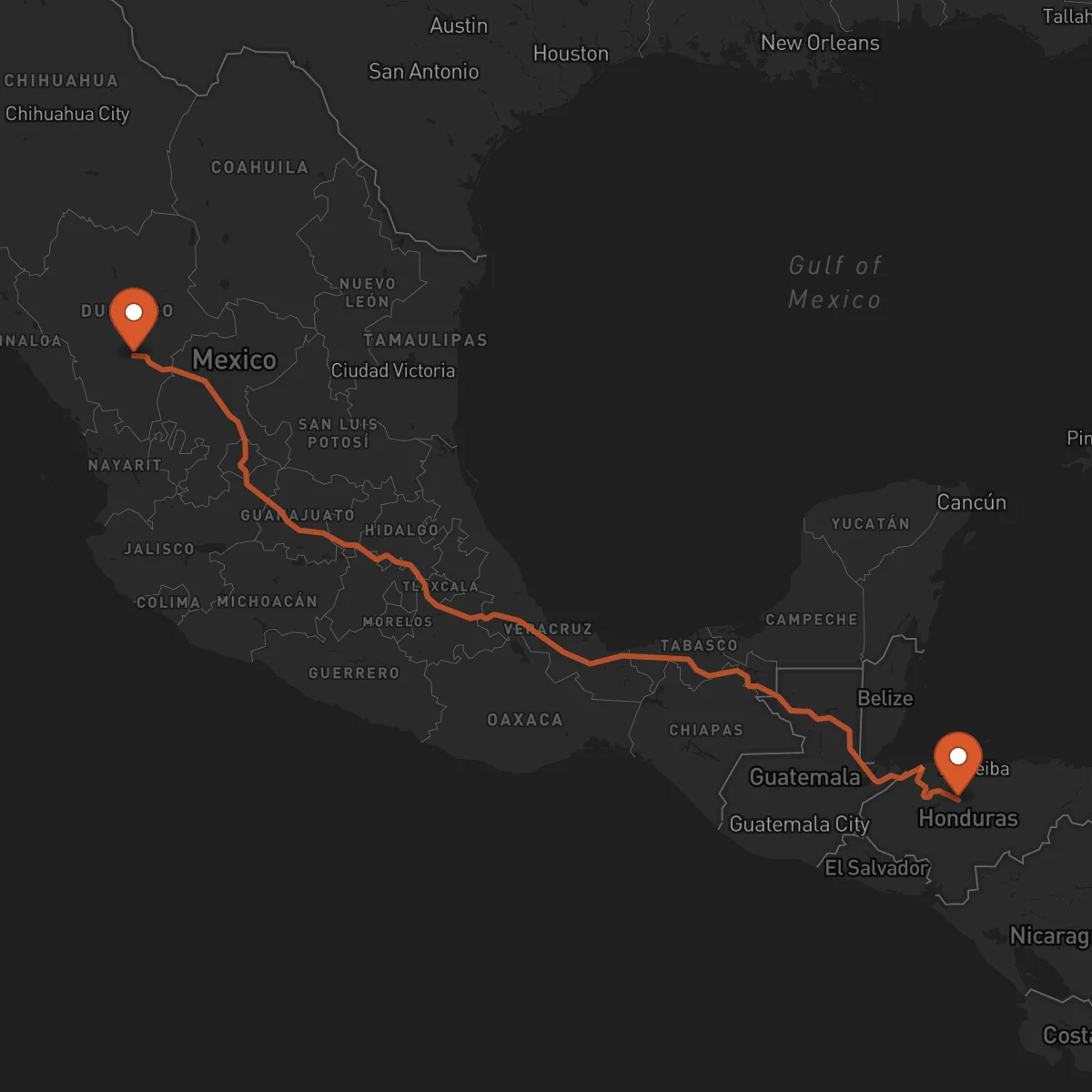
Yoro to Durango
Durango → YoroFTL freight transportation service between Yoro and Durango. Reliable logistics solutions for your business.
Route Description
Everything you need to know about the corridor Yoro - Durango
The Yoro, Honduras to Durango, Mexico corridor represents a vital north-south logistics artery connecting Central America to the industrial heartland of northern Mexico. Strategically, this route bridges the agricultural and manufacturing zones of southern Honduras with the mining, automotive, and industrial hubs of the Durango region, facilitating essential cross-border trade. The economic context is driven by Honduras's exports of coffee, bananas, and textiles, alongside Mexico's robust industrial output from Durango, including automotive parts, minerals, and processed goods. Key industries leveraging this corridor are agriculture, apparel manufacturing, mining supply chains, and automotive component distribution.
Transportation infrastructure primarily relies on Honduras's CA-5 highway, transitioning through major border crossings such as Agua Zarca/San Marcos or El Ceibo/El Carmen into Mexico. Once in Mexico, the route typically utilizes Federal Highway 45, a major north-south artery running through the center of the country directly to Durango. Customs and border considerations are significant, requiring expertise in Honduran and Mexican documentation, compliance with C-TPAT and FAST programs for expedited clearance, and adherence to regulations for any specialized cargo. Our provider network's certifications in BASC and Clean Transportation are crucial for navigating these cross-border complexities efficiently.
Control Terrestre facilitates seamless operations on this corridor by acting as your single point of contact through our robust alliance of vetted carriers. We exclusively provide Full Truckload (FTL) solutions, ensuring your cargo moves as a dedicated unit from door to door without consolidation delays. Our expertise in cross-border freight, combined with carriers certified in C-TPAT, FAST, and Responsible Care, allows us to manage the unique logistical, customs, and regulatory challenges of this international route. We coordinate all aspects, from pickup in Yoro to final delivery in Durango, providing the human touch and specialized support needed for a reliable, green, and efficient supply chain connection between these two key economic zones.
Services for this Route
Available services for the corridor Yoro - Durango
 Origin
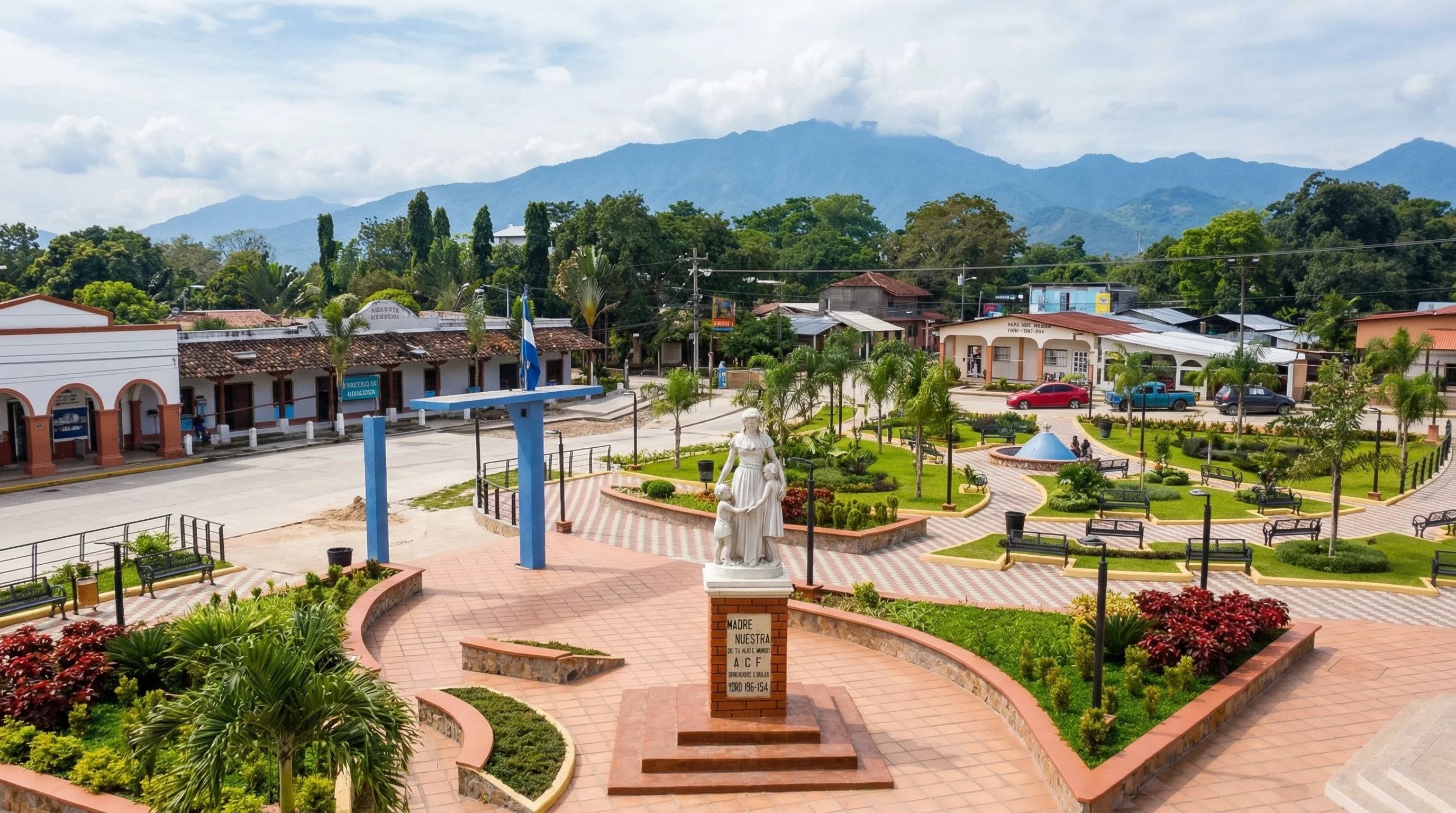
Yoro, located in the northwestern region of Honduras, is a strategic agricultural and light manufacturing hub. Its location provides direct access to the CA-5 highway, the main north-south corridor in Honduras, connecting it to the capital, Tegucigalpa, and the primary Caribbean port of Puerto Cortés. This infrastructure is essential for consolidating outbound freight for international transport. The region's economy is dominated by coffee production, banana plantations, and a growing textile (maquila) industry, generating consistent demand for outbound FTL freight to North American markets. Yoro's position makes it a natural collection point for goods destined for the northern border crossings into Mexico, serving as a critical origin node for cross-continental supply chains.
 Destination
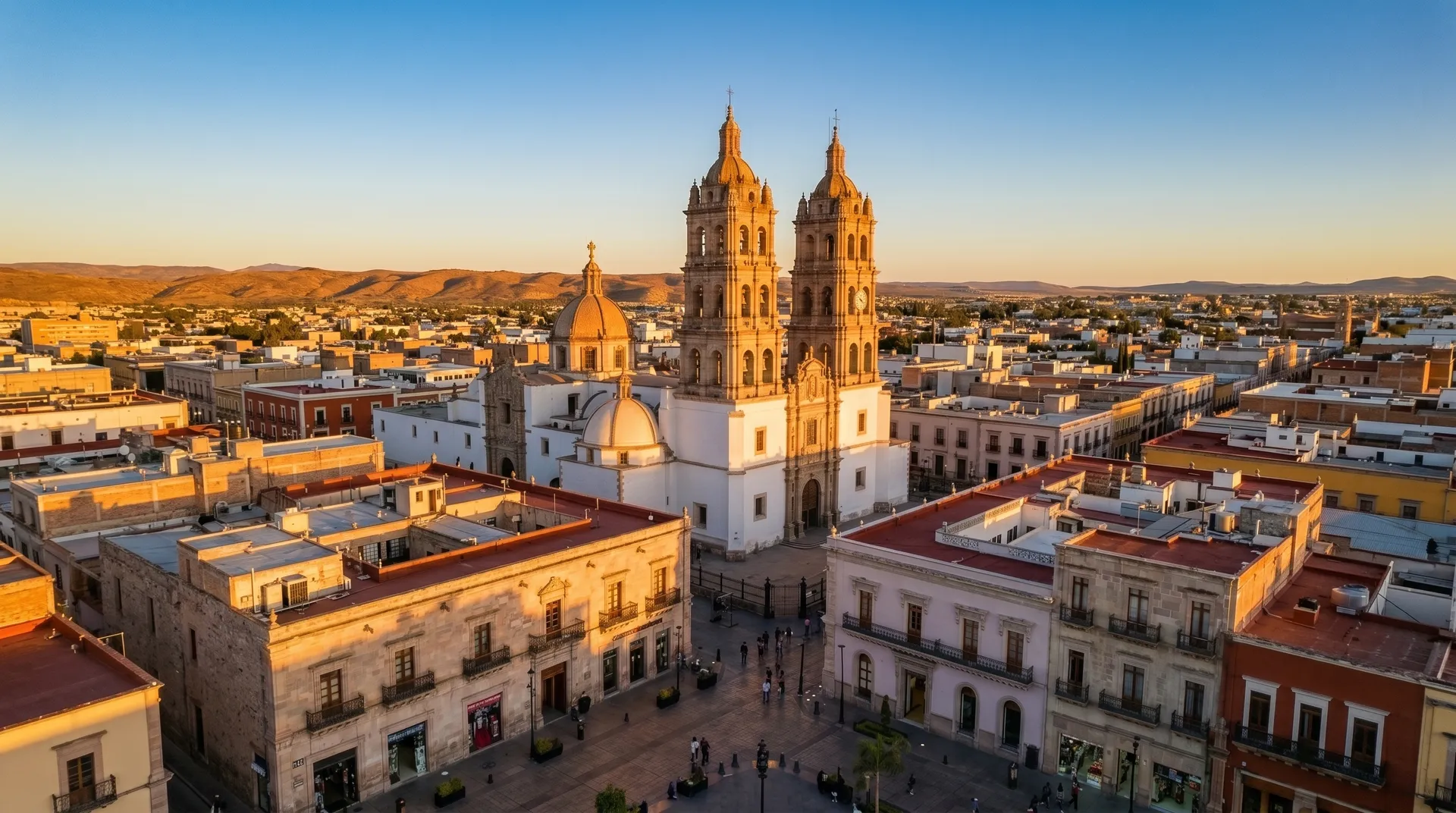
Durango, the capital of the state of Durango in northern Mexico, is a major industrial and logistical center with a strong strategic location. It sits at the crossroads of Federal Highway 45, which runs north to the US border at El Paso, and Federal Highway 23, connecting to the Pacific coast. This makes it a pivotal distribution hub for northern Mexico. The state's economy is powered by mining (gold, silver, iron ore), a significant automotive manufacturing sector (including engine and parts plants), and general industry. This industrial base drives high demand for inbound raw materials and outbound finished goods, requiring reliable FTL transportation. Durango's infrastructure, including its connection to the national highway network and proximity to key US border crossings, solidifies its role as a critical destination within the North American logistics corridor.










