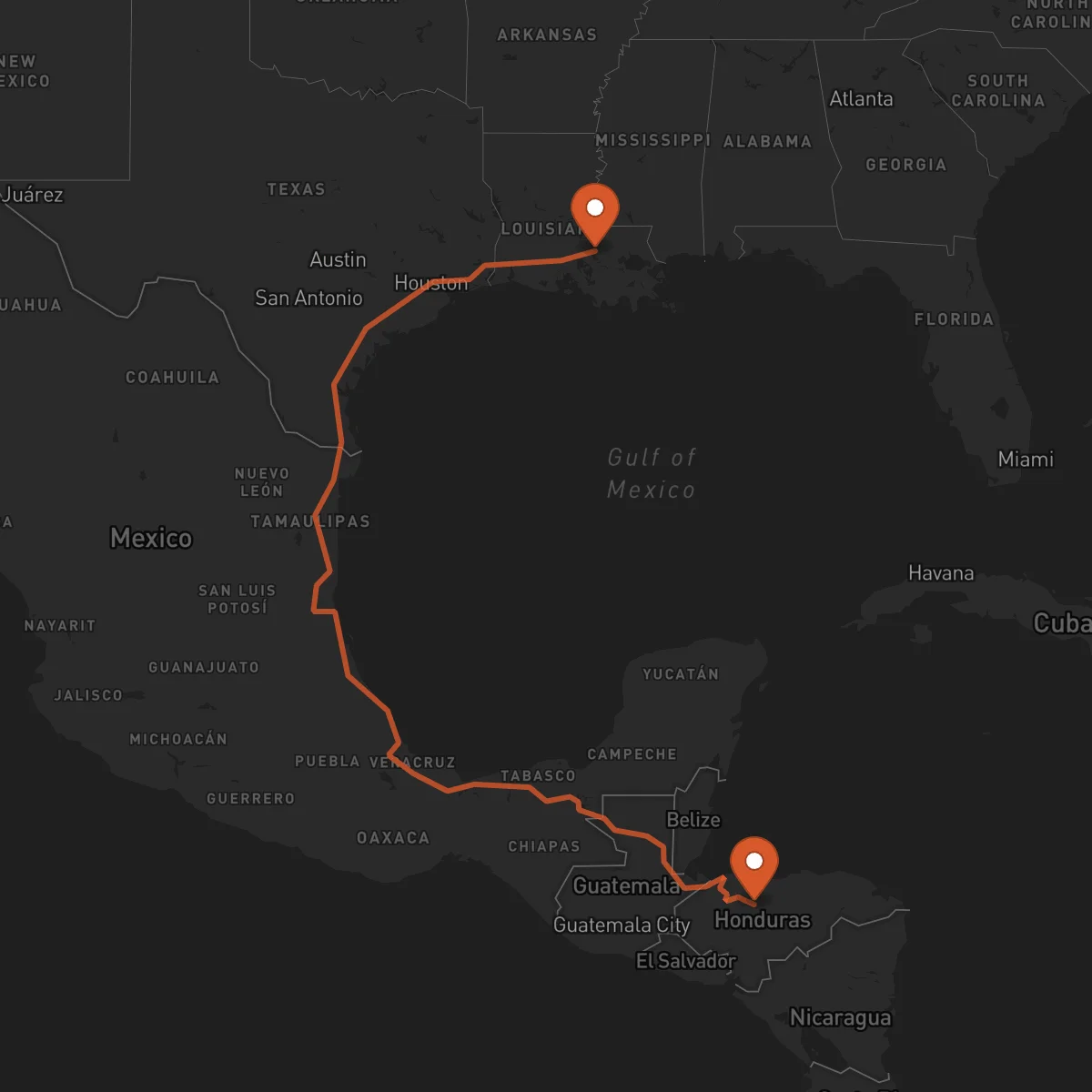
Yoro to Baton Rouge
Baton Rouge → YoroFTL freight transportation service between Yoro and Baton Rouge. Reliable logistics solutions for your business.
Route Description
Everything you need to know about the corridor Yoro - Baton Rouge
The logistics corridor between Yoro, Honduras, and Baton Rouge, Louisiana, represents a vital trade link connecting Central America with the United States Gulf Coast. This 1,753 km cross-border route facilitates the movement of goods between manufacturing hubs in Honduras and major industrial centers in Louisiana. The corridor primarily utilizes the CA-13 highway through Honduras, connecting to major Mexican highways before crossing into the United States through Texas border crossings. From there, goods travel via I-10 and other interstate highways to reach Baton Rouge, a key port city on the Mississippi River. Control Terrestre specializes in managing this complex cross-border operation, ensuring seamless customs clearance and efficient transportation of full truckloads between these strategic locations.
Services for this Route
Available services for the corridor Yoro - Baton Rouge
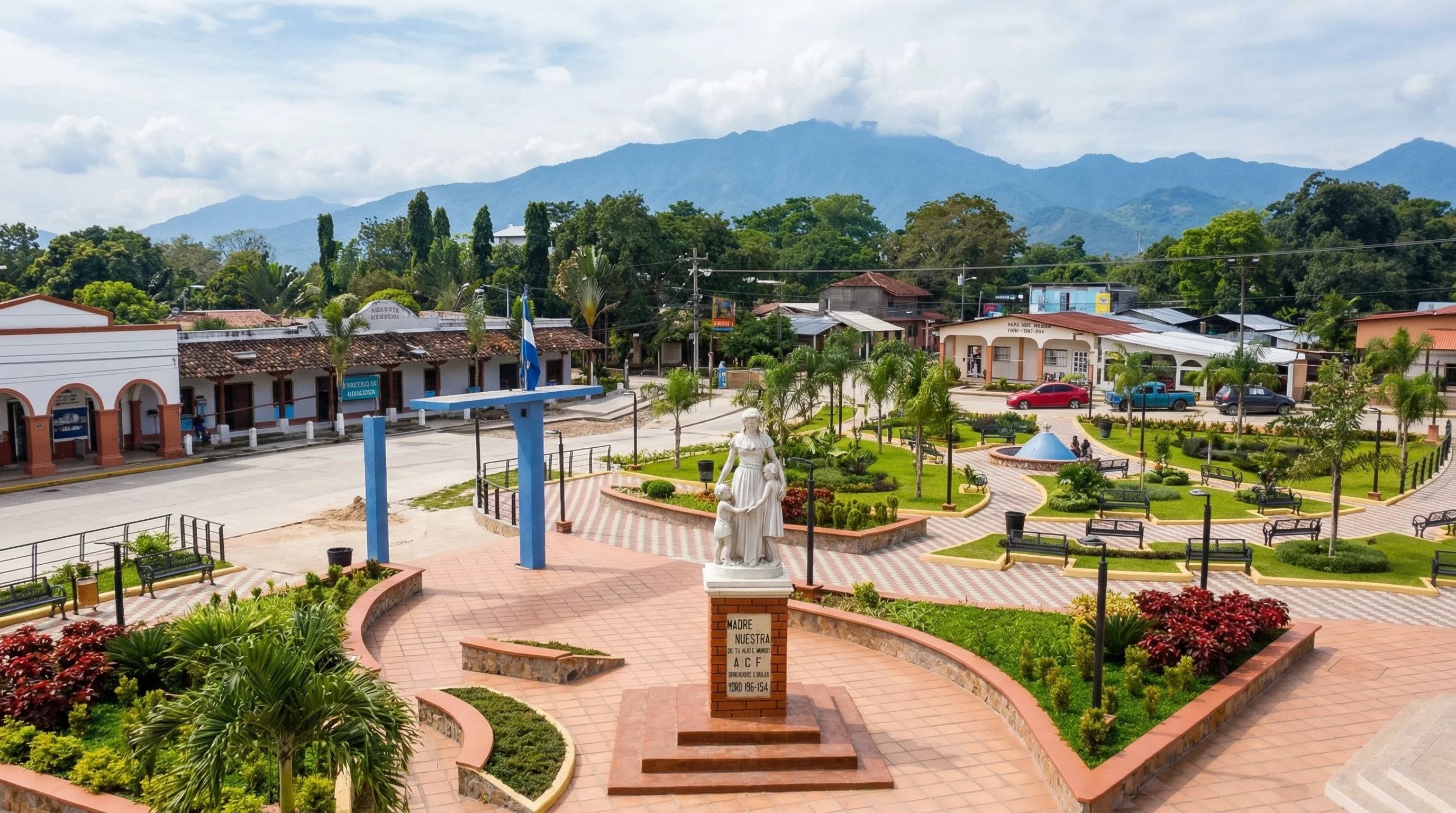 Origin
Yoro, located in north-central Honduras, serves as a strategic logistics hub for the region's manufacturing and agricultural sectors. The city benefits from its proximity to major transportation routes, including the CA-13 highway that connects to the Caribbean coast. Yoro's industrial base includes textile manufacturing, food processing, and agricultural product export facilities. The region's infrastructure supports efficient cargo handling with access to both road and rail connections, making it an ideal origin point for cross-border freight movements to the United States.
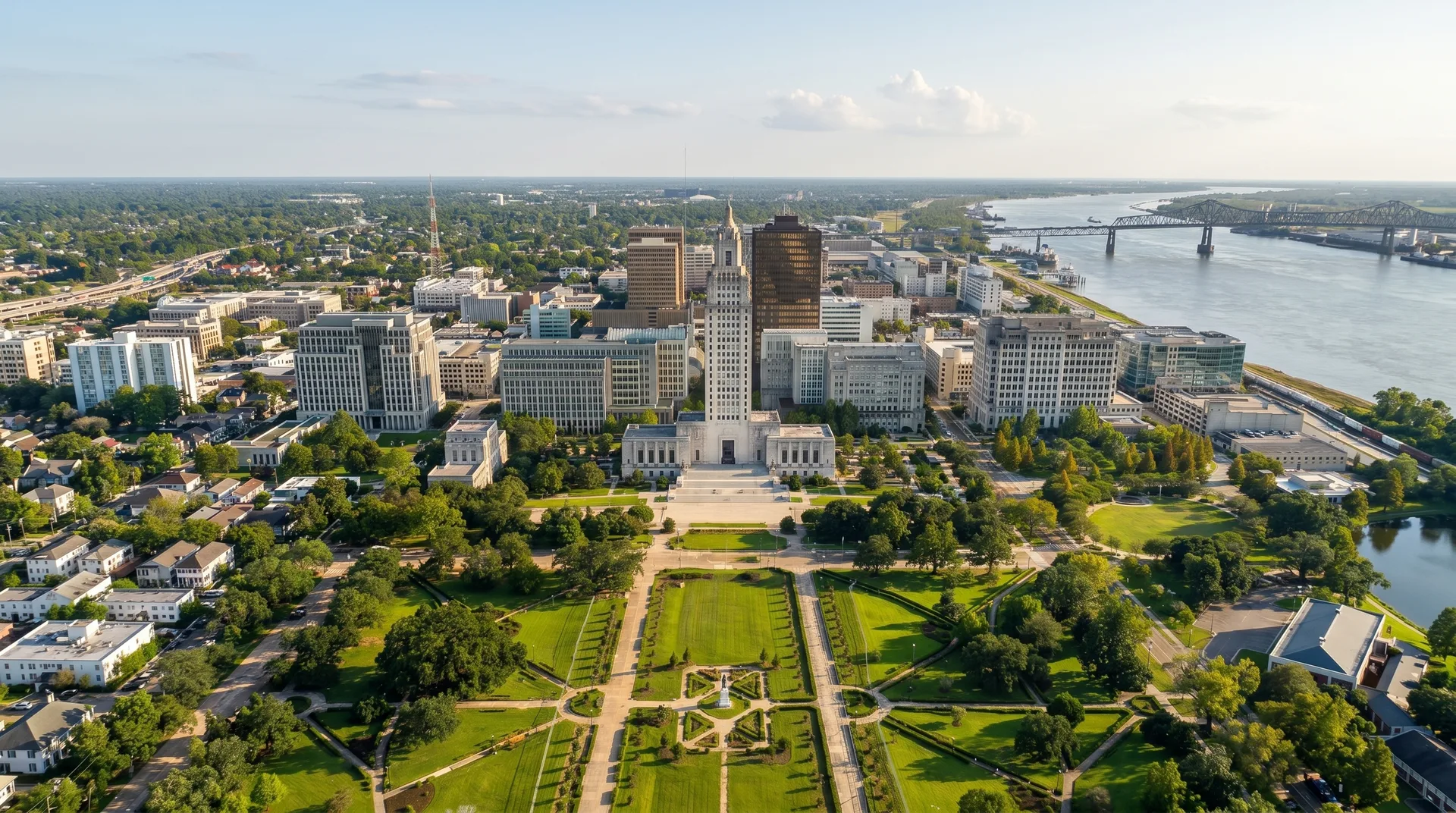 Destination
Baton Rouge
Baton Rouge, Louisiana, is a major industrial and logistics center on the U.S. Gulf Coast. Strategically located along the Mississippi River, the city hosts one of the nation's largest petrochemical complexes and serves as a key distribution hub for the southeastern United States. Baton Rouge's extensive transportation infrastructure includes access to major interstate highways, rail networks, and the Port of Greater Baton Rouge, one of the nation's largest ports by tonnage. The city's diverse industrial base, including chemical manufacturing, food processing, and logistics services, creates consistent demand for cross-border freight transportation from Central America.










