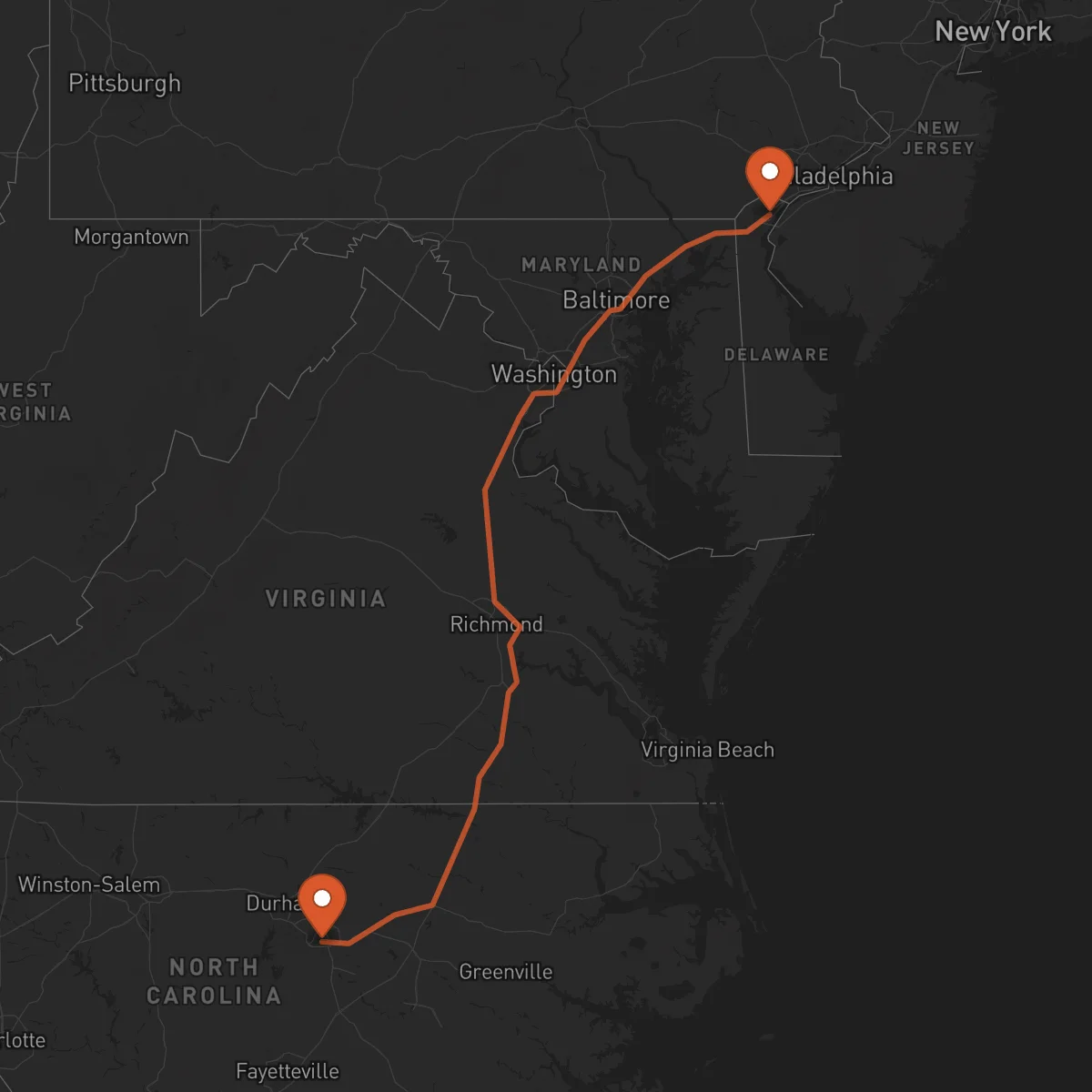
Wilmington to Raleigh
Raleigh → WilmingtonFTL freight transportation service between Wilmington and Raleigh. Reliable logistics solutions for your business.
Route Description
Everything you need to know about the corridor Wilmington - Raleigh
The Wilmington to Raleigh corridor represents a vital logistics connection in the Mid-Atlantic region of the United States. This approximately 518 km route links Delaware's largest port city with North Carolina's capital, creating a strategic pathway for goods movement between the Northeast and Southeast. The corridor traverses diverse landscapes and connects major economic hubs, facilitating the efficient flow of freight across state lines and supporting regional supply chain operations.
The economic significance of this corridor is substantial, serving as a critical link between Wilmington's maritime commerce and Raleigh's growing technology and research sectors. This route enables the seamless movement of goods from the Port of Wilmington to inland markets, supporting industries ranging from pharmaceuticals and chemicals to advanced manufacturing and information technology. The corridor's strategic position allows for the redistribution of goods throughout the southeastern United States while maintaining connections to major northeastern markets.
Control Terrestre enhances this corridor's efficiency through our specialized FTL services, providing dedicated transportation solutions that ensure timely and secure freight movement. Our experienced network of carriers understands the nuances of this route, including optimal scheduling to avoid congestion and compliance with interstate regulations. We offer temperature-controlled options for sensitive cargo, real-time tracking capabilities, and flexible scheduling to meet the demanding needs of businesses operating along this important logistics pathway.
Services for this Route
Available services for the corridor Wilmington - Raleigh
 Origin
Wilmington
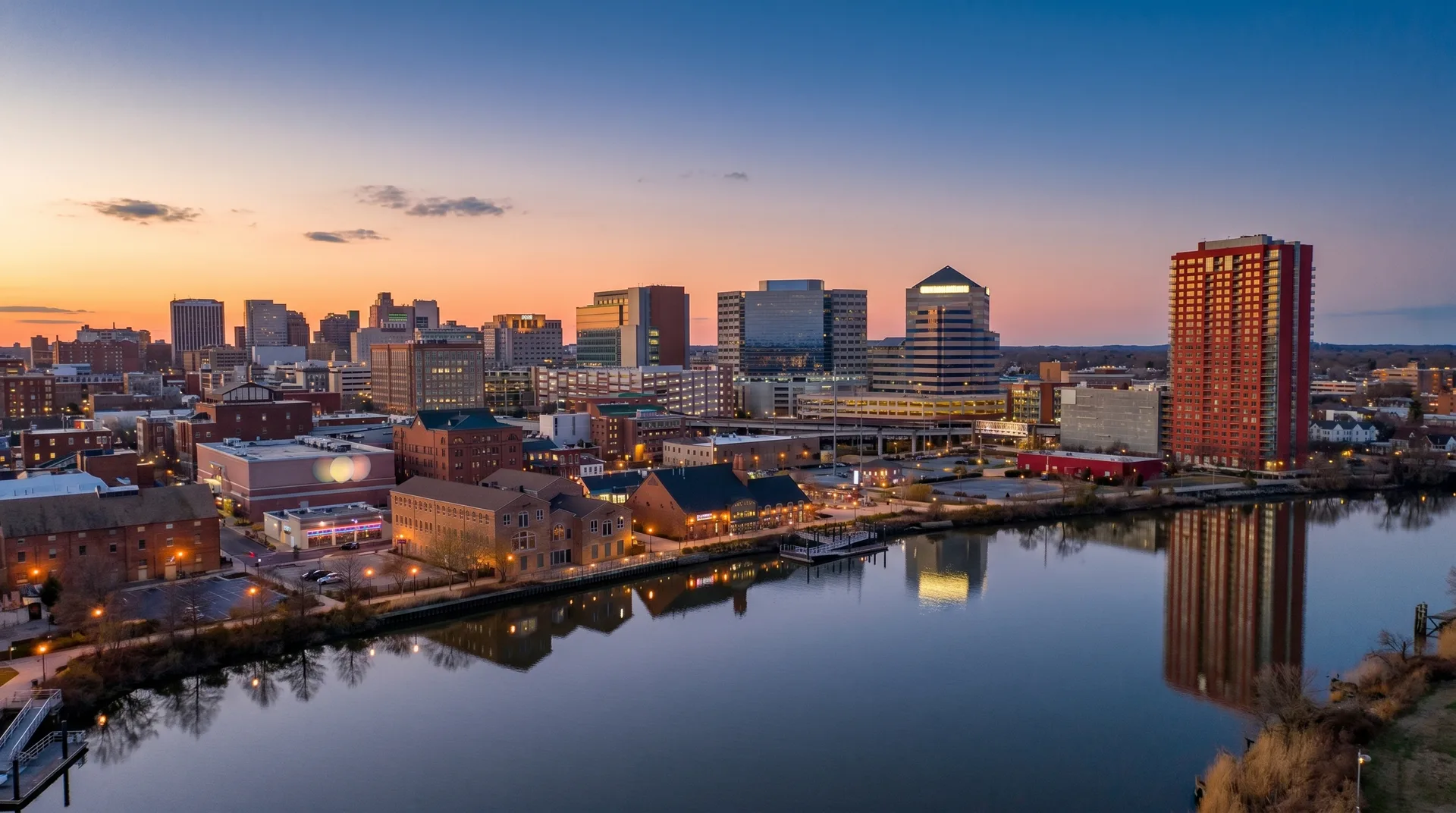
Wilmington, Delaware serves as a strategic gateway for international and domestic freight, anchored by the Port of Wilmington - one of the few full-service ports on the East Coast with direct access to I-95. The city's location in the northeastern United States provides excellent connectivity to major metropolitan areas including Philadelphia, Baltimore, and New York City. Wilmington's transportation infrastructure includes multiple interstate highways, rail connections, and proximity to Philadelphia International Airport, creating a multimodal logistics hub that efficiently handles diverse cargo types from containerized freight to bulk commodities.
The economic landscape of Wilmington is diverse, with strong presence in financial services (home to numerous credit card banking operations), chemical manufacturing, and healthcare. The city hosts corporate headquarters and has developed specialized industrial parks catering to logistics and distribution companies. Wilmington's strategic position within the Northeast megalopolis, combined with Delaware's business-friendly environment and proximity to major consumer markets, makes it an ideal origin point for freight distribution throughout the eastern United States.
 Destination
Raleigh
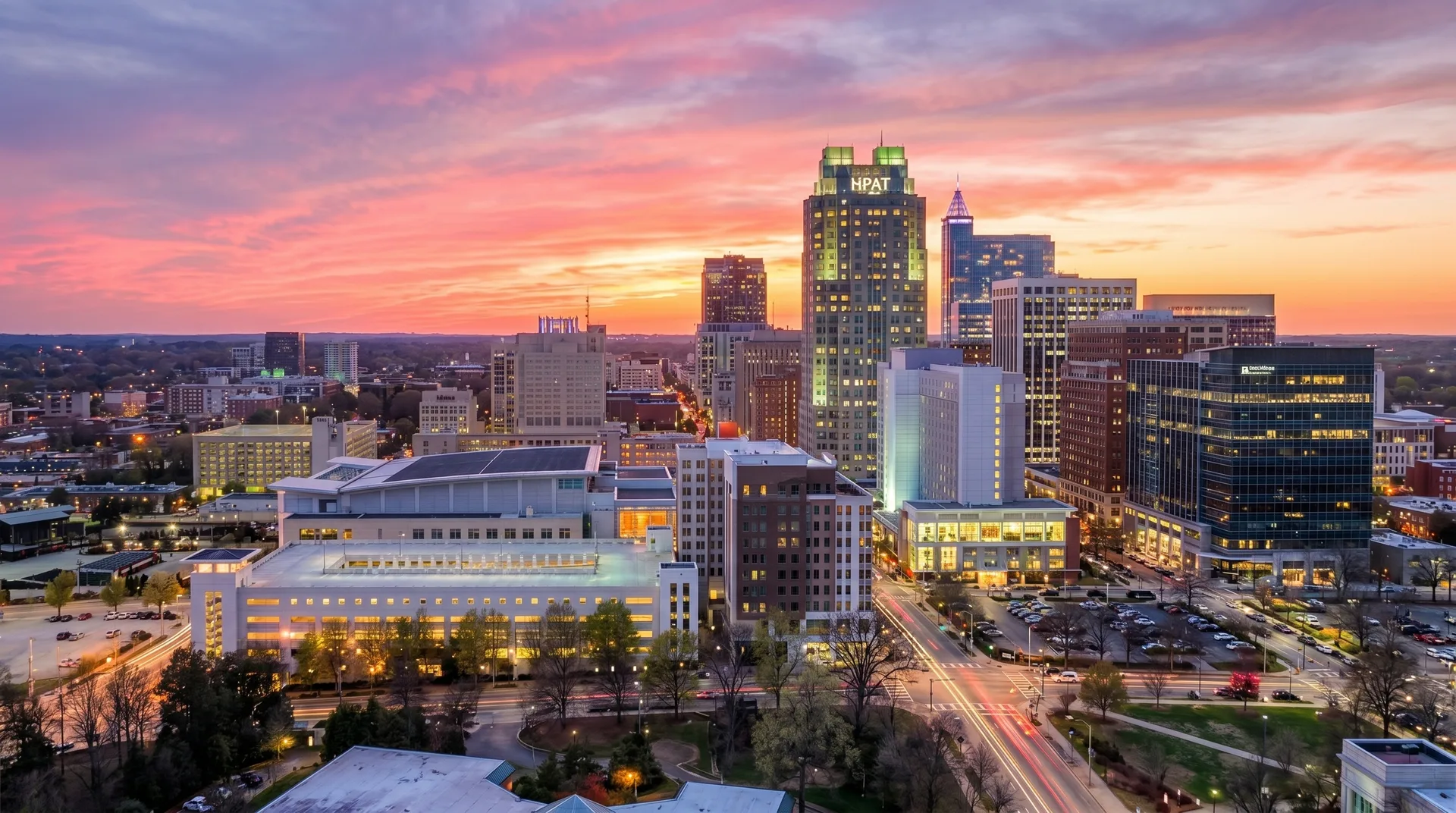
Raleigh, North Carolina stands as a dynamic logistics destination within the Research Triangle, a region renowned for its concentration of high-tech companies, research institutions, and educational facilities. The city's strategic location in central North Carolina provides excellent access to major transportation routes including I-40, I-440, and US-70, facilitating efficient distribution throughout the Southeast. Raleigh's infrastructure includes the Raleigh-Durham International Airport and connections to Class I rail networks, creating a robust multimodal transportation environment that supports the region's growing logistics demands.
The economic profile of Raleigh is characterized by innovation and technology, with strong sectors in information technology, biotechnology, and advanced manufacturing. The presence of Research Triangle Park, one of the largest research parks in the world, drives demand for specialized logistics services supporting high-value, time-sensitive cargo. Raleigh's educated workforce, business-friendly climate, and quality of life have attracted numerous corporate operations and distribution centers, making it a key destination for freight movement from northern markets and international ports.










