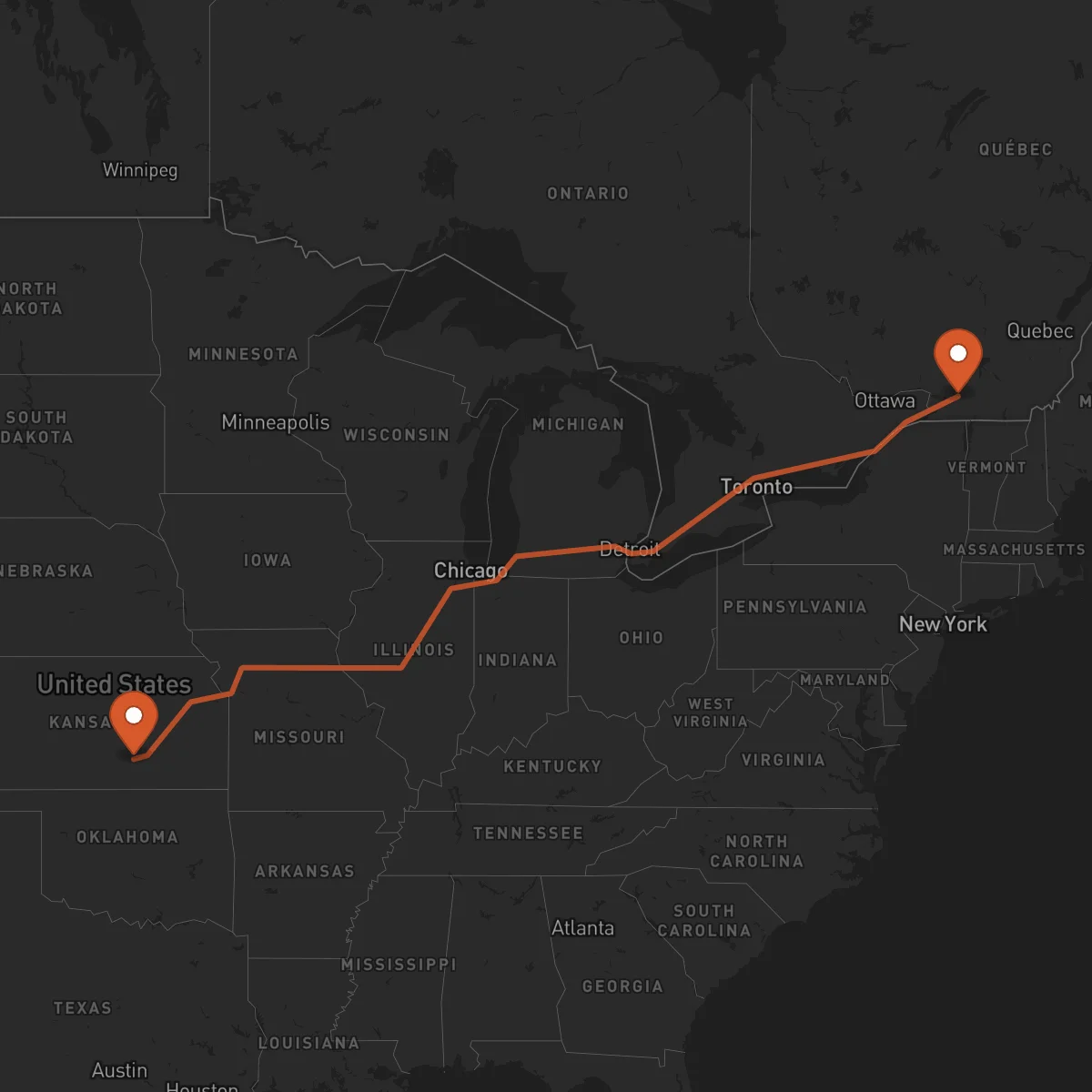
Wichita to Montreal
Montreal → WichitaFTL freight transportation service between Wichita and Montreal. Reliable logistics solutions for your business.
Route Description
Everything you need to know about the corridor Wichita - Montreal
The Wichita-Montreal logistics corridor represents a vital connection between the central United States and eastern Canada, spanning approximately 2,148 kilometers. This cross-border route traverses diverse economic regions, linking Kansas's manufacturing heartland with Quebec's industrial powerhouse. The corridor primarily follows I-35 north through Kansas, Missouri, Iowa, and Minnesota, connecting to Canadian highways through the Detroit-Windsor or Sault Ste. Marie crossings. Control Terrestre specializes in facilitating seamless cross-border operations on this route, managing customs clearance and ensuring compliance with both US and Canadian regulations. Our experienced team understands the complexities of transporting goods between these two nations, providing reliable full truckload (FTL) services that keep your supply chain moving efficiently.
Services for this Route
Available services for the corridor Wichita - Montreal
 Origin
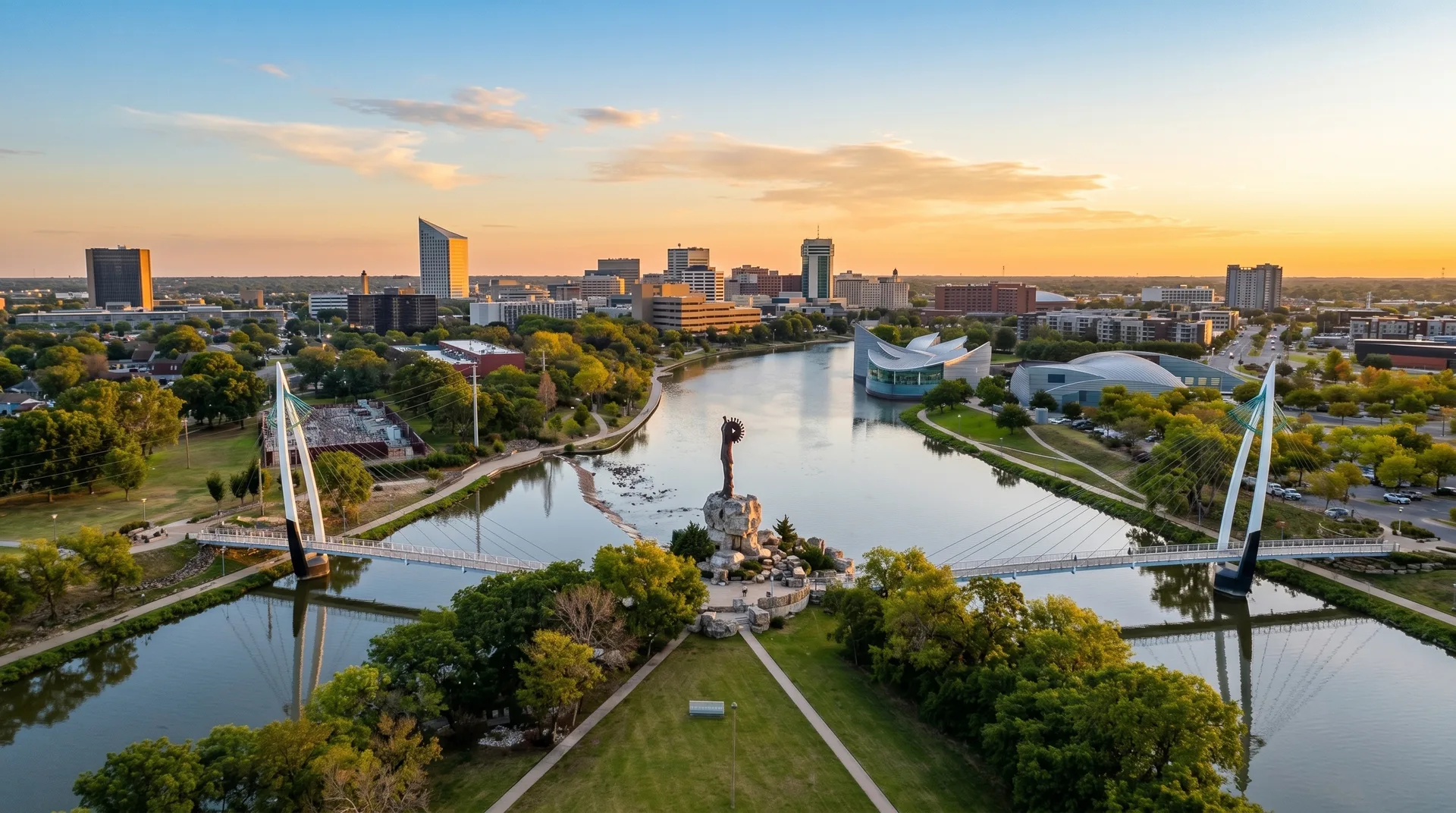
Wichita
Wichita, Kansas serves as a strategic logistics hub in the American Midwest, positioned at the intersection of major transportation networks. The city's economy is anchored by the aerospace industry, with companies like Boeing and Spirit AeroSystems driving manufacturing activity. Wichita's central location provides excellent access to interstate highways, including I-35, I-135, and I-235, facilitating efficient distribution throughout the central United States. The city's aviation industry creates consistent demand for specialized freight services, while its manufacturing sector requires reliable transportation solutions for raw materials and finished goods.
 Destination
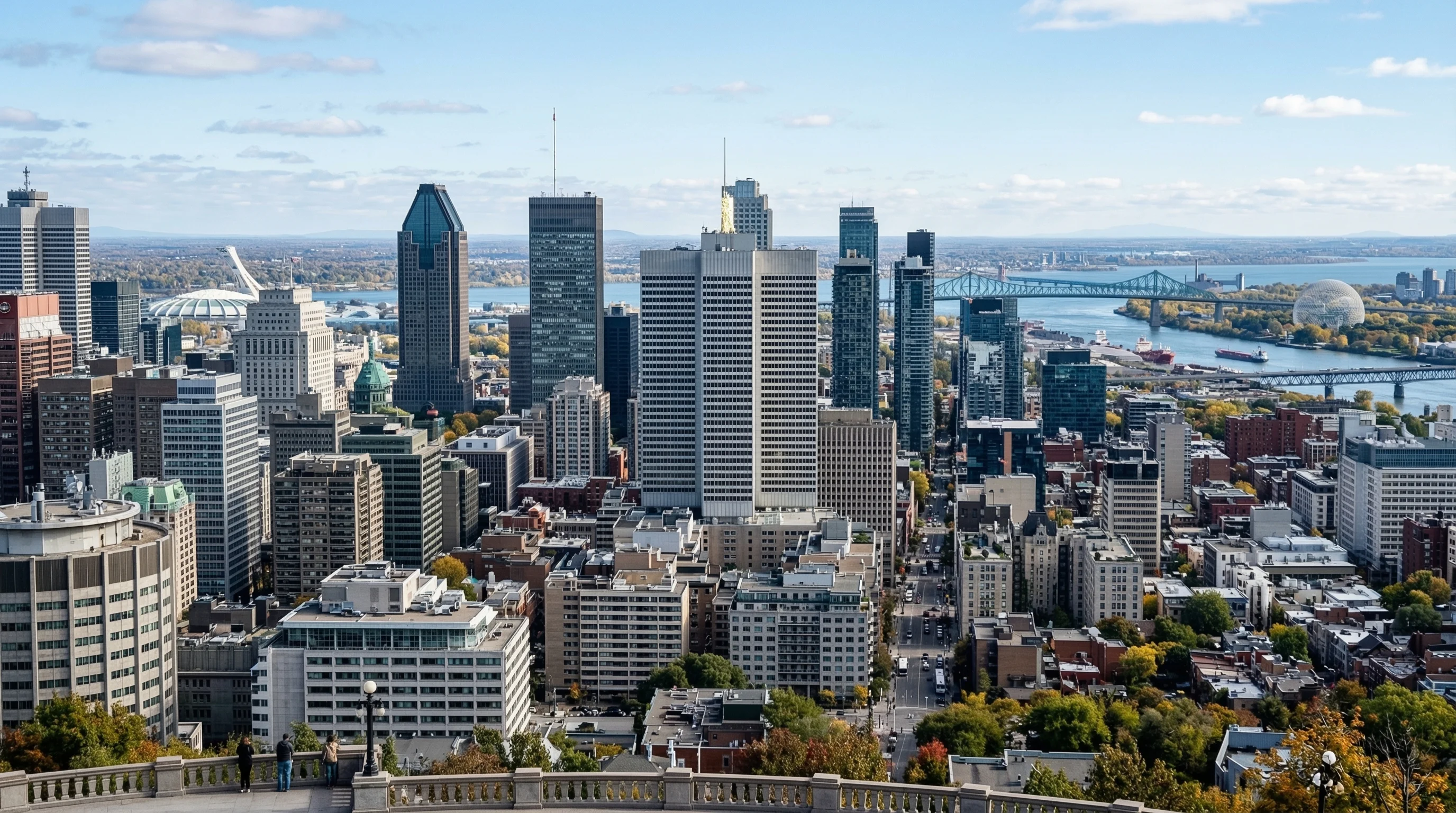
Montreal, Quebec stands as Canada's leading port city and a major industrial center, strategically located at the confluence of the Saint Lawrence River and major rail networks. The city's diversified economy encompasses aerospace, pharmaceuticals, electronics, and food processing industries, creating substantial freight transportation demand. Montreal's extensive transportation infrastructure includes the Port of Montreal, Pierre Elliott Trudeau International Airport, and connections to the Canadian National Railway and Canadian Pacific Railway networks. The city's position as a gateway to eastern Canada and the northeastern United States makes it a crucial node in North American supply chains.










