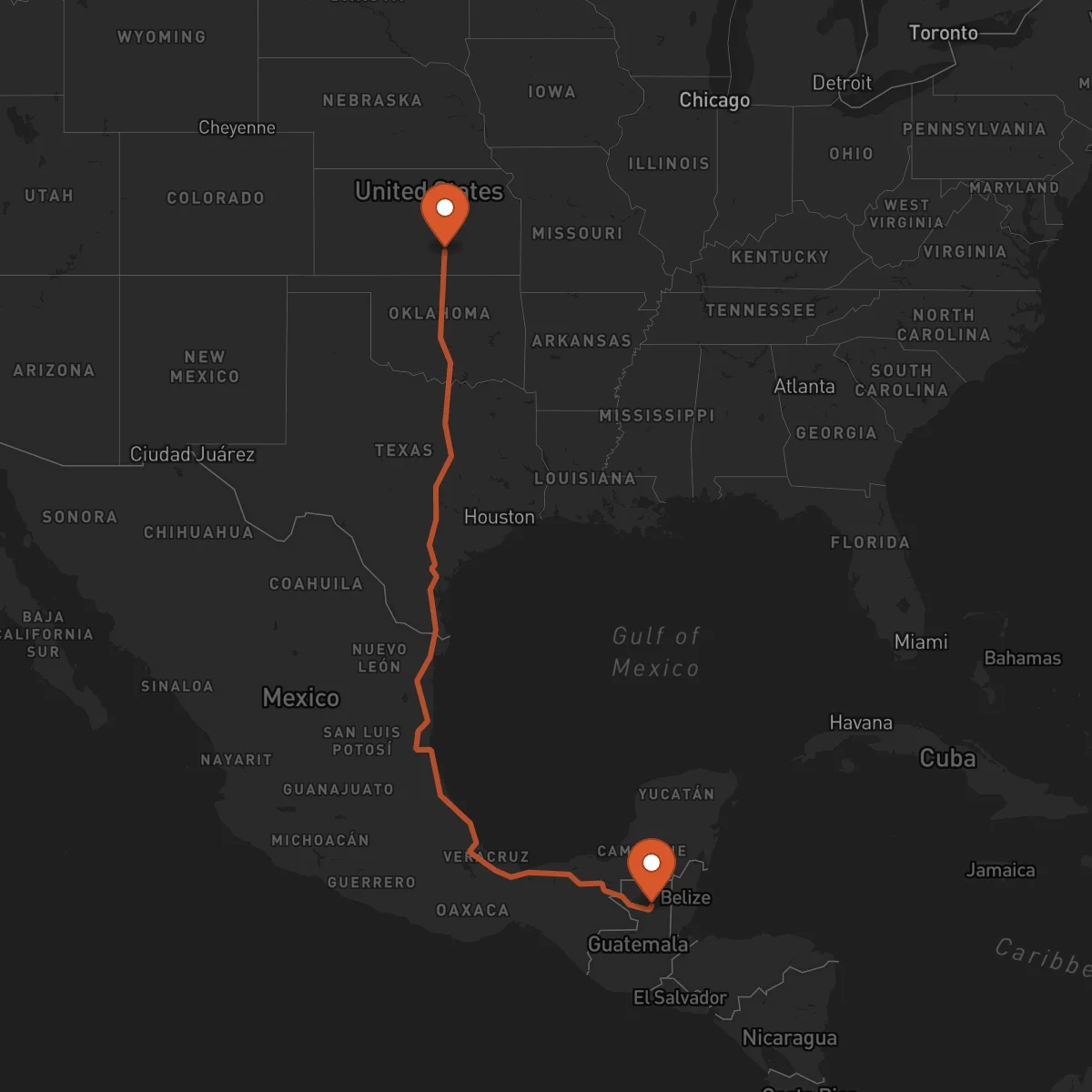
Wichita to Flores
Flores → WichitaFTL freight transportation service between Wichita and Flores. Reliable logistics solutions for your business.
Route Description
Everything you need to know about the corridor Wichita - Flores
The logistics corridor between Wichita, Kansas, and Flores, Petén, Guatemala, represents a vital trade route connecting the industrial heartland of the United States with the growing economic center of northern Guatemala. This cross-border corridor spans approximately 2,422 kilometers and serves as a crucial link for companies engaged in manufacturing, agriculture, and retail distribution across North and Central America. The route facilitates the movement of diverse cargo types, from industrial equipment and consumer goods to agricultural products and raw materials, supporting the economic integration of both regions.
The transportation infrastructure along this corridor includes major interstate highways in the United States, such as I-35 and I-40, connecting to key Mexican highways like MEX-45 and MEX-180. The journey continues through Mexico's southern states before crossing into Guatemala via the El Carmen border crossing. From there, cargo travels along Guatemala's CA-9 highway toward Flores, a gateway to the Petén region. Control Terrestre's expertise in managing cross-border operations ensures seamless customs clearance and regulatory compliance throughout the journey, minimizing delays and optimizing transit times for our clients.
This corridor is particularly significant for industries such as automotive manufacturing, electronics, agricultural equipment, and consumer packaged goods. Companies in Wichita's aerospace and industrial manufacturing sectors frequently utilize this route to supply components and finished products to Guatemalan markets, while Guatemalan exporters use it to send agricultural products, textiles, and natural resources northward. Control Terrestre provides specialized FTL services tailored to the unique requirements of each industry, offering dedicated equipment options including refrigerated units for perishable goods and flatbed trailers for oversized cargo.
Control Terrestre's comprehensive approach to managing this corridor includes strategic partnerships with certified carriers, real-time cargo tracking, and dedicated customer support throughout the journey. Our C-TPAT and BASC certifications ensure that all cross-border operations meet the highest security standards, while our experienced logistics team navigates the complexities of international shipping regulations. Whether you're shipping from Wichita's industrial parks to Flores' growing commercial districts or establishing regular supply chain routes between these regions, Control Terrestre delivers reliable, efficient, and secure FTL transportation solutions that keep your business moving forward.
Services for this Route
Available services for the corridor Wichita - Flores
 Origin
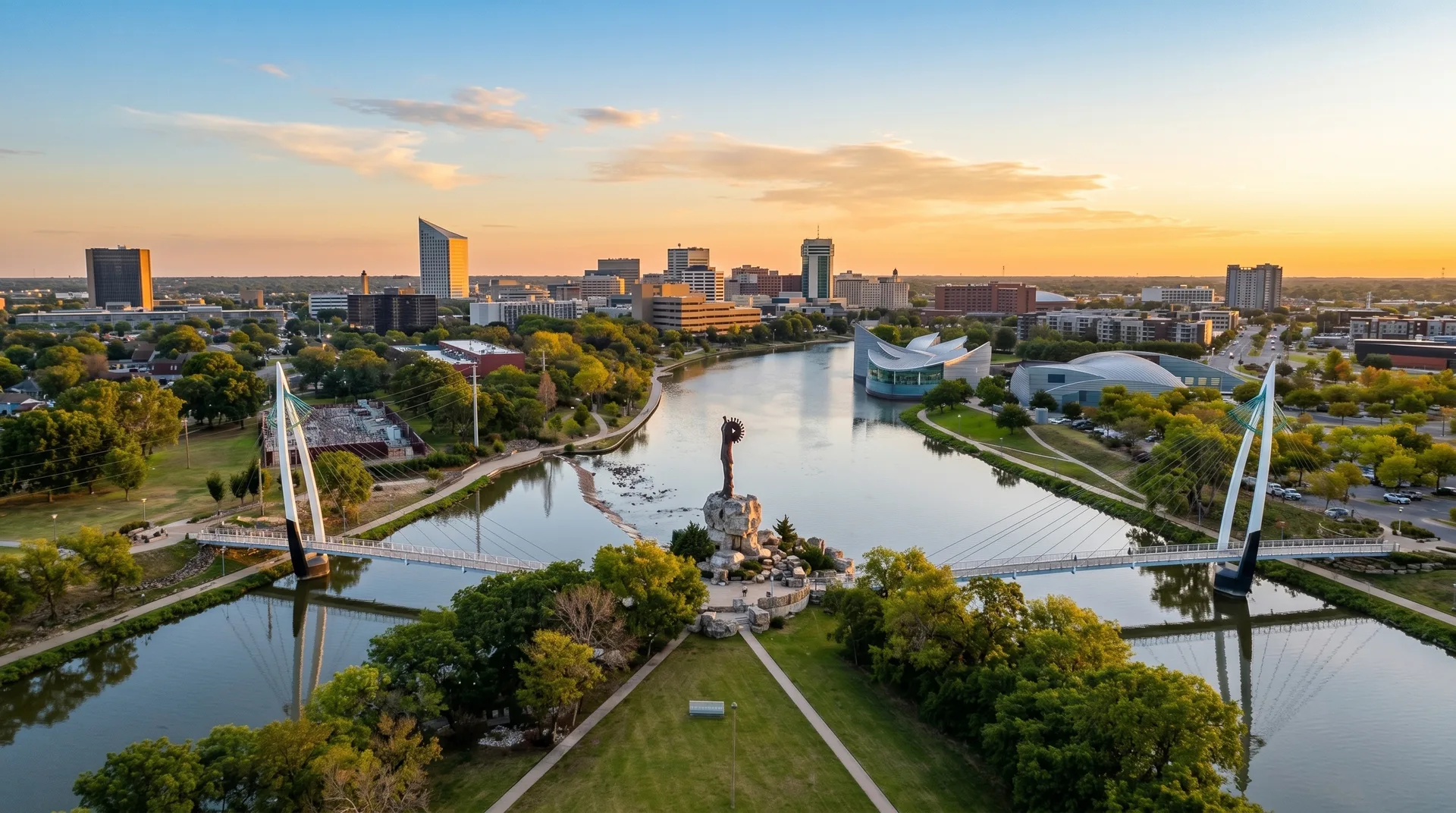
Wichita
Wichita, Kansas, serves as a strategic logistics hub in the American Midwest, known as the "Air Capital of the World" due to its concentration of aerospace manufacturing and maintenance facilities. The city's location at the intersection of major interstate highways, including I-35 and I-135, provides excellent connectivity to national and international markets. Wichita's economy is driven by aerospace, advanced manufacturing, healthcare, and agriculture sectors, with numerous industrial parks and distribution centers supporting efficient freight operations. The city's Dwight D. Eisenhower National Airport and nearby rail connections further enhance its multimodal transportation capabilities, making it an ideal origin point for cross-border shipments to Central America.
 Destination
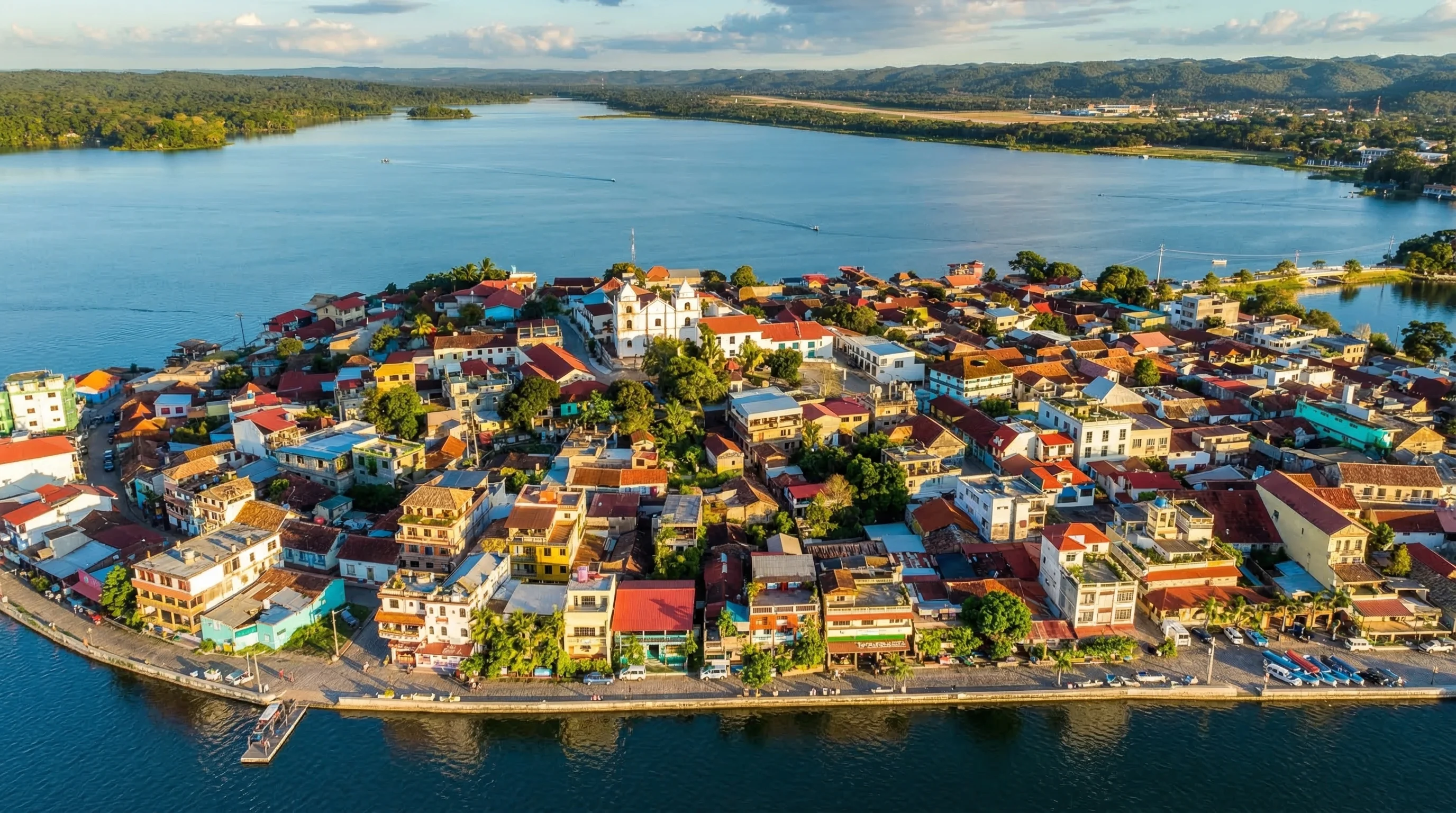
Flores, Petén, Guatemala, is strategically located in northern Guatemala, serving as the gateway to the Petén region and bordering Mexico. This island-city connected by a causeway to the mainland is the capital of Petén Department and a key commercial center for the surrounding agricultural and natural resource-rich areas. Flores' proximity to the Mexican border facilitates cross-border trade, while its location near major highways like CA-9 provides access to Guatemala's Pacific and Atlantic coasts. The region's economy is driven by agriculture, forestry, petroleum, and tourism, with growing industrial development creating increased demand for reliable freight transportation services connecting to North American markets.










