
Wichita to Cartago
Cartago → WichitaFTL freight transportation service between Wichita and Cartago. Reliable logistics solutions for your business.
Route Description
Everything you need to know about the corridor Wichita - Cartago
The Wichita to Cartago corridor represents a vital cross-border logistics route connecting the industrial heartland of the United States with the strategic Central American market. This 3,373 km corridor traverses diverse terrains and crosses multiple international borders, making it essential for companies engaged in North-South trade. The route facilitates the movement of goods between Kansas's manufacturing and agricultural sectors and Costa Rica's growing industrial and technology industries.
This corridor primarily serves industries such as automotive parts, agricultural machinery, electronics, and specialized manufacturing equipment. Companies in Wichita, known for its aerospace and defense manufacturing, rely on this route to supply components and finished products to Cartago's expanding industrial parks and assembly facilities. The corridor also supports reverse logistics, allowing Costa Rican manufacturers to send products northward for distribution or further processing.
Key transportation infrastructure includes major interstate highways through the United States, connecting to Mexico's federal highways and Central America's road network. The route typically involves crossing through established border points with efficient customs processing capabilities. Control Terrestre facilitates seamless operations on this corridor through our experienced team's knowledge of cross-border documentation requirements, our strategic partnerships with certified carriers, and our ability to coordinate multi-modal solutions when needed. Our expertise in handling the complexities of international freight ensures reliable delivery from Wichita to Cartago.
Services for this Route
Available services for the corridor Wichita - Cartago
 Origin
Wichita
Wichita, Kansas serves as a strategic logistics hub in the American Midwest, positioned advantageously for national distribution. The city's location provides excellent access to major interstate highways including I-35, I-135, and I-235, connecting to national freight networks. Wichita's Dwight D. Eisenhower National Airport supports air cargo operations, while the nearby Port of Catoosa on the Verdigris River provides inland waterway access for bulk shipments.
The region's economy is anchored by aerospace manufacturing, with major companies like Boeing, Spirit AeroSystems, and Textron Aviation maintaining significant operations. Additionally, Wichita hosts robust agricultural equipment manufacturing, oil and gas equipment production, and advanced manufacturing facilities. These industries generate substantial freight volumes requiring reliable transportation solutions. The city's industrial parks and distribution centers are strategically located near major transportation corridors, enabling efficient loading and dispatch of full truckload shipments to international destinations.
 Destination
Cartago
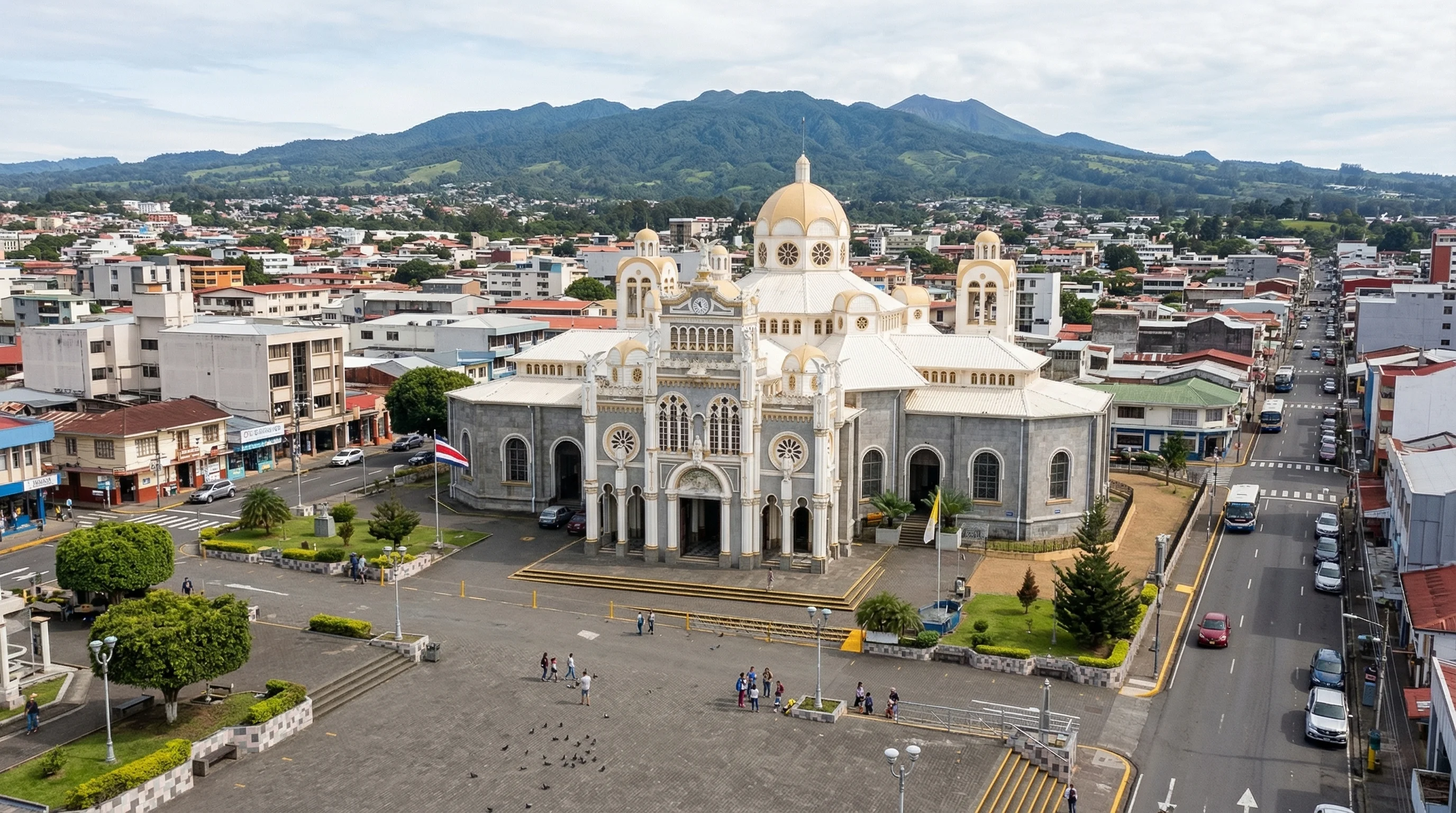
Cartago, Costa Rica occupies a strategic position in the Central Valley region, serving as an important logistics and industrial center. Located approximately 25 kilometers southeast of San José, Cartago benefits from proximity to the capital while maintaining its own industrial identity. The city is well-connected to the national highway system, particularly the Florencio del Castillo Highway (Route 2), which links to the Atlantic port of Limón and the Pacific port of Caldera.
The region's economy features growing technology manufacturing, food processing, and assembly operations. Cartago's industrial parks house electronics manufacturers, medical device producers, and agricultural processing facilities that require reliable inbound logistics. The city's elevation and climate make it suitable for certain types of manufacturing that benefit from stable temperatures. Local transportation infrastructure includes well-maintained highways capable of handling heavy truck traffic, with connections to the broader Central American road network facilitating regional distribution.










