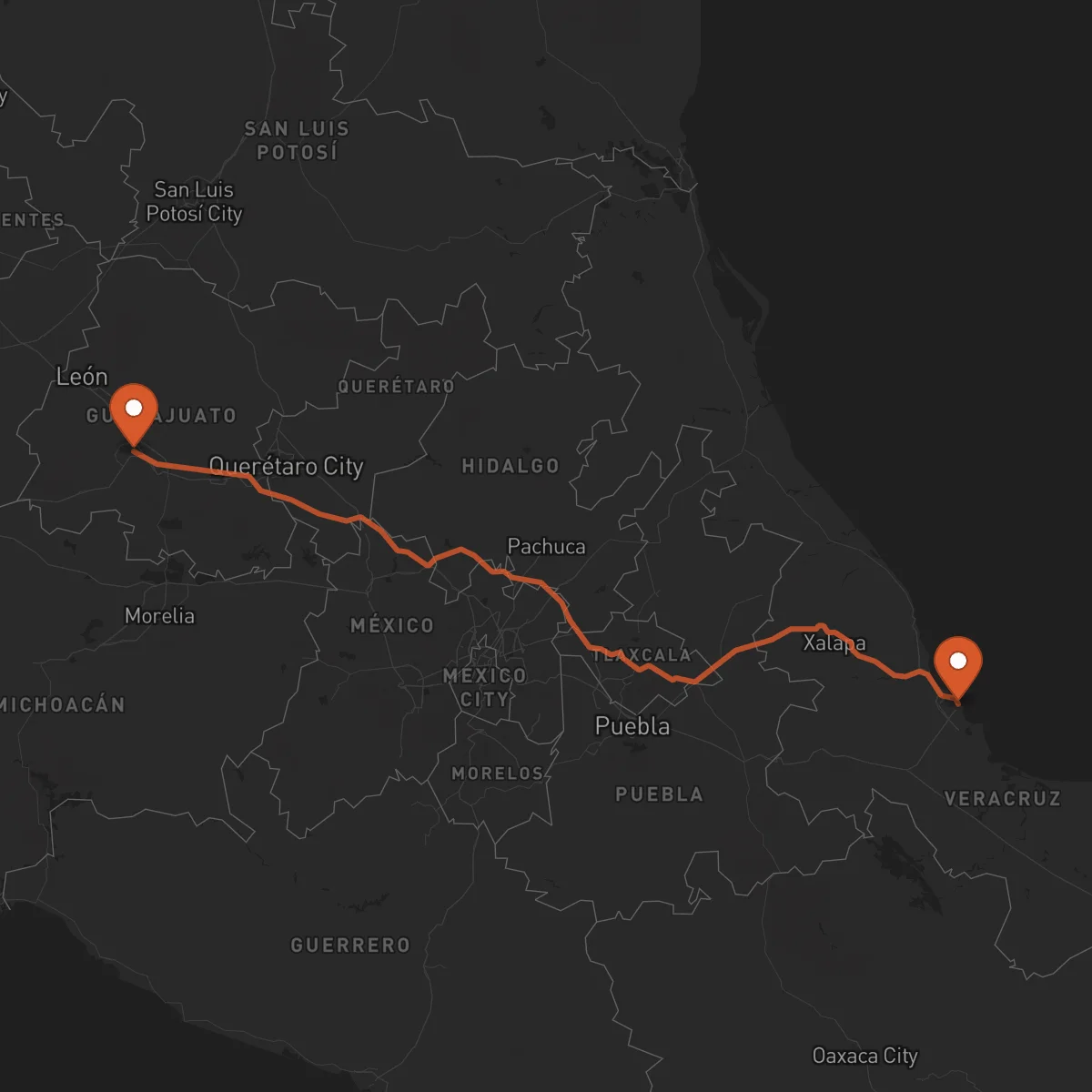
Veracruz to Irapuato
Irapuato → VeracruzFTL freight transportation service between Veracruz and Irapuato. Reliable logistics solutions for your business.
Route Description
Everything you need to know about the corridor Veracruz - Irapuato
The logistics corridor between Veracruz and Irapuato represents one of Mexico's most important freight transportation routes, connecting the Gulf of Mexico port with the industrial heart of the Bajío region. This 571-kilometer corridor is vital for the movement of goods between Mexico's primary maritime entry point and its automotive and manufacturing centers. Veracruz serves as a critical gateway for international trade, while Irapuato stands as a key industrial hub in Guanajuato's thriving manufacturing corridor.
The route follows Mexico's Highway 140D and Highway 45, providing efficient access through Veracruz, Puebla, and Guanajuato states. This corridor supports the automotive industry's supply chain, manufacturing operations, and agricultural exports, making it essential for Mexico's economic development. The highway infrastructure offers multiple lanes and modern toll systems, ensuring reliable transit times for freight operations.
Control Terrestre specializes in full truckload (FTL) transportation along this strategic corridor, offering dedicated services with certified carriers who understand the specific requirements of high-value and time-sensitive cargo. Our fleet includes specialized equipment such as dry vans and refrigerated units to accommodate diverse freight needs, from automotive parts to perishable goods. With our C-TPAT certified partners and commitment to safety and efficiency, we ensure your cargo moves seamlessly from Veracruz's port facilities to Irapuato's industrial parks and manufacturing centers.
Services for this Route
Available services for the corridor Veracruz - Irapuato
 Origin
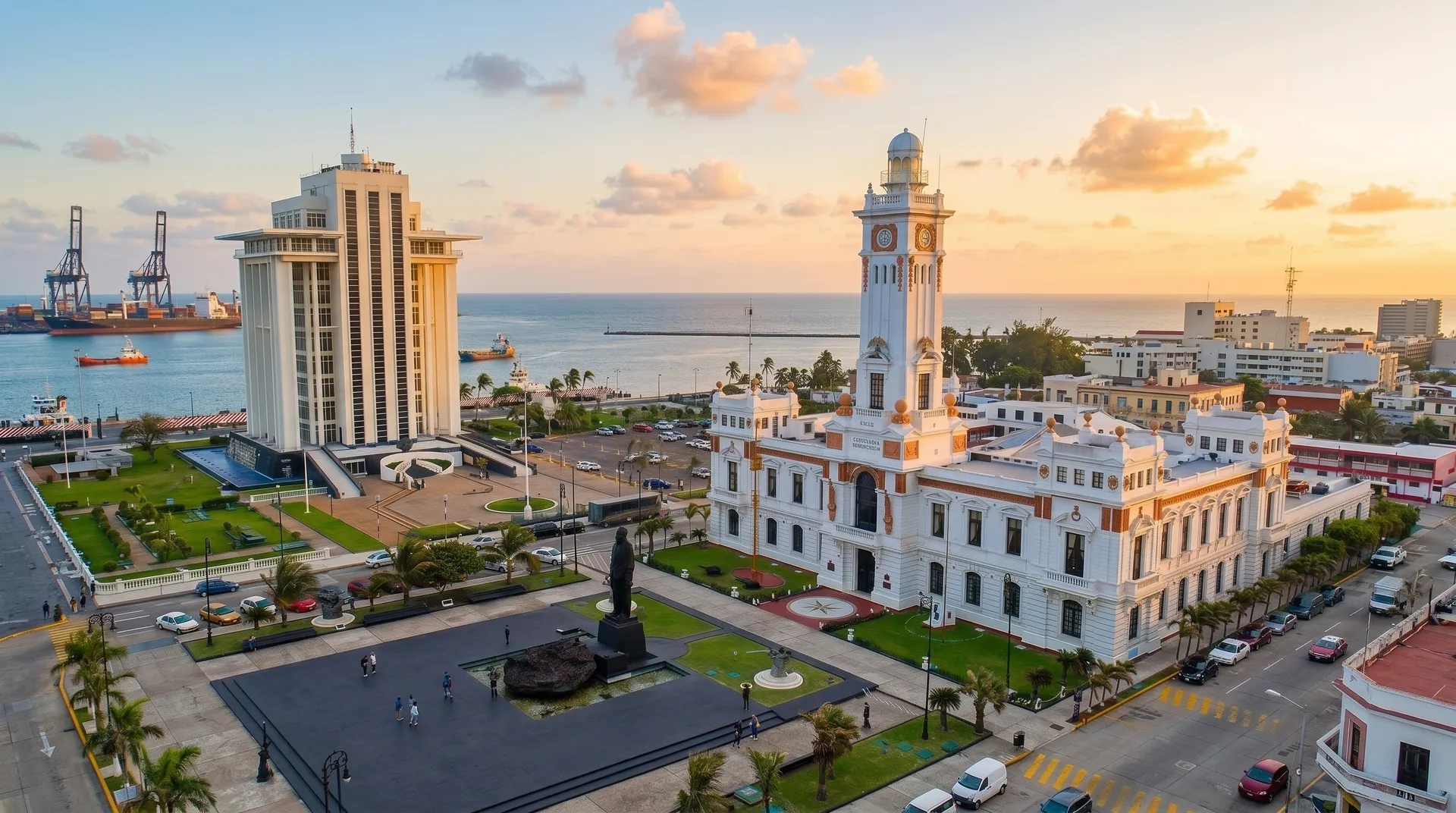
Veracruz stands as Mexico's most important Gulf port and a critical logistics hub for international trade. Located on the Gulf of Mexico, this strategic port city handles the majority of Mexico's maritime imports and exports, connecting the country with global markets through its deep-water port facilities. The city's proximity to major industrial centers and its integration with Mexico's highway network make it an essential node in the national supply chain.
The region's economy is driven by port activities, oil refining, food processing, and agriculture. Veracruz's port facilities include modern container terminals, bulk cargo handling equipment, and specialized areas for refrigerated goods. The city's industrial parks and free trade zones attract manufacturing companies that require efficient access to both maritime and overland transportation. With its extensive rail connections and proximity to Mexico's highway system, Veracruz provides seamless multimodal logistics solutions for companies operating in international trade.
 Destination
Irapuato
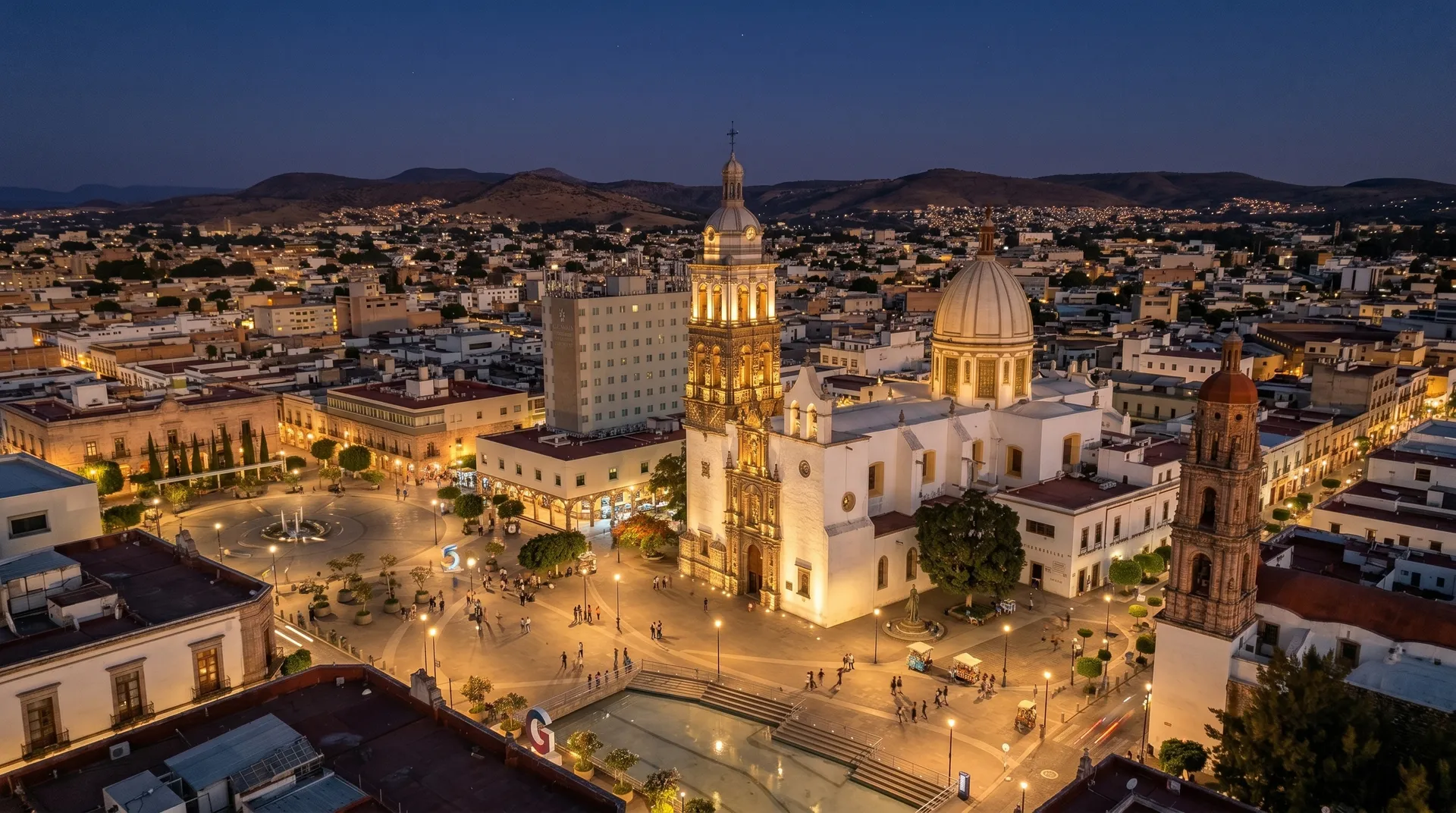
Irapuato represents one of Mexico's most dynamic industrial centers, strategically located in the heart of Guanajuato's manufacturing corridor. Known as the strawberry capital of Mexico, Irapuato has evolved into a major industrial hub, particularly in the automotive, metalworking, and food processing sectors. The city's central location in Mexico provides excellent connectivity to major markets and industrial centers throughout the country.
The city boasts modern industrial parks, specialized manufacturing facilities, and a skilled workforce that attracts both national and international companies. Irapuato's infrastructure includes well-developed road networks, industrial rail connections, and proximity to other key cities in the Bajío region such as León, Silao, and Guanajuato. The presence of automotive suppliers, electronics manufacturers, and food processing plants creates a diverse industrial ecosystem that requires reliable and efficient freight transportation services. The city's strategic position makes it an ideal destination for companies seeking to establish distribution centers or manufacturing operations in central Mexico.










