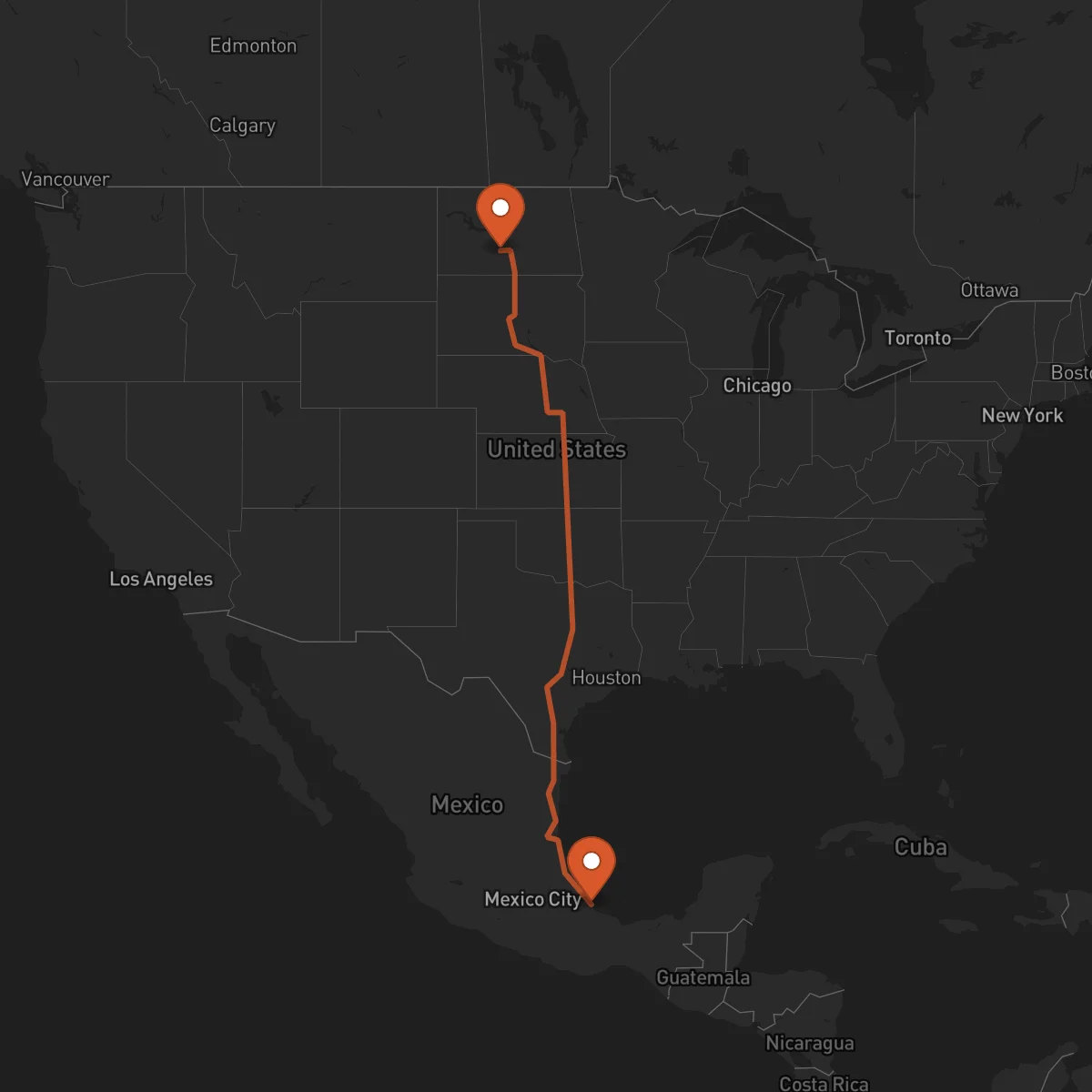
Veracruz to Bismarck
Bismarck → VeracruzFTL freight transportation service between Veracruz and Bismarck. Reliable logistics solutions for your business.
Route Description
Everything you need to know about the corridor Veracruz - Bismarck
The Veracruz to Bismarck corridor represents a vital cross-border logistics connection spanning over 3,102 kilometers across Mexico and the United States. This route links Mexico's primary Gulf port with the industrial heartland of North Dakota, facilitating the movement of diverse cargo types between manufacturing centers, agricultural regions, and energy production facilities. The corridor traverses key states including Veracruz, Tamaulipas, Texas, Oklahoma, Kansas, and North Dakota, connecting major economic regions through a well-established transportation network.
The economic significance of this corridor is substantial, supporting trade in agricultural products, manufactured goods, energy equipment, and industrial machinery. Veracruz serves as Mexico's primary port for automotive and chemical exports, while Bismarck anchors a regional economy focused on energy, agriculture, and government services. The route accommodates high-value freight movements essential to both Mexican export industries and North Dakota's manufacturing and agricultural sectors.
Key transportation infrastructure includes Mexico's Federal Highway 180 and Federal Highway 85, connecting to US Interstate 35, I-29, and I-94 in the northern states. The corridor's primary border crossing at Laredo facilitates efficient customs processing for full truckload shipments. Control Terrestre's expertise in cross-border operations ensures seamless freight movement through this corridor, managing customs documentation, regulatory compliance, and coordination between Mexican and US transportation networks to deliver reliable FTL service from Veracruz to Bismarck.
Services for this Route
Available services for the corridor Veracruz - Bismarck
 Origin
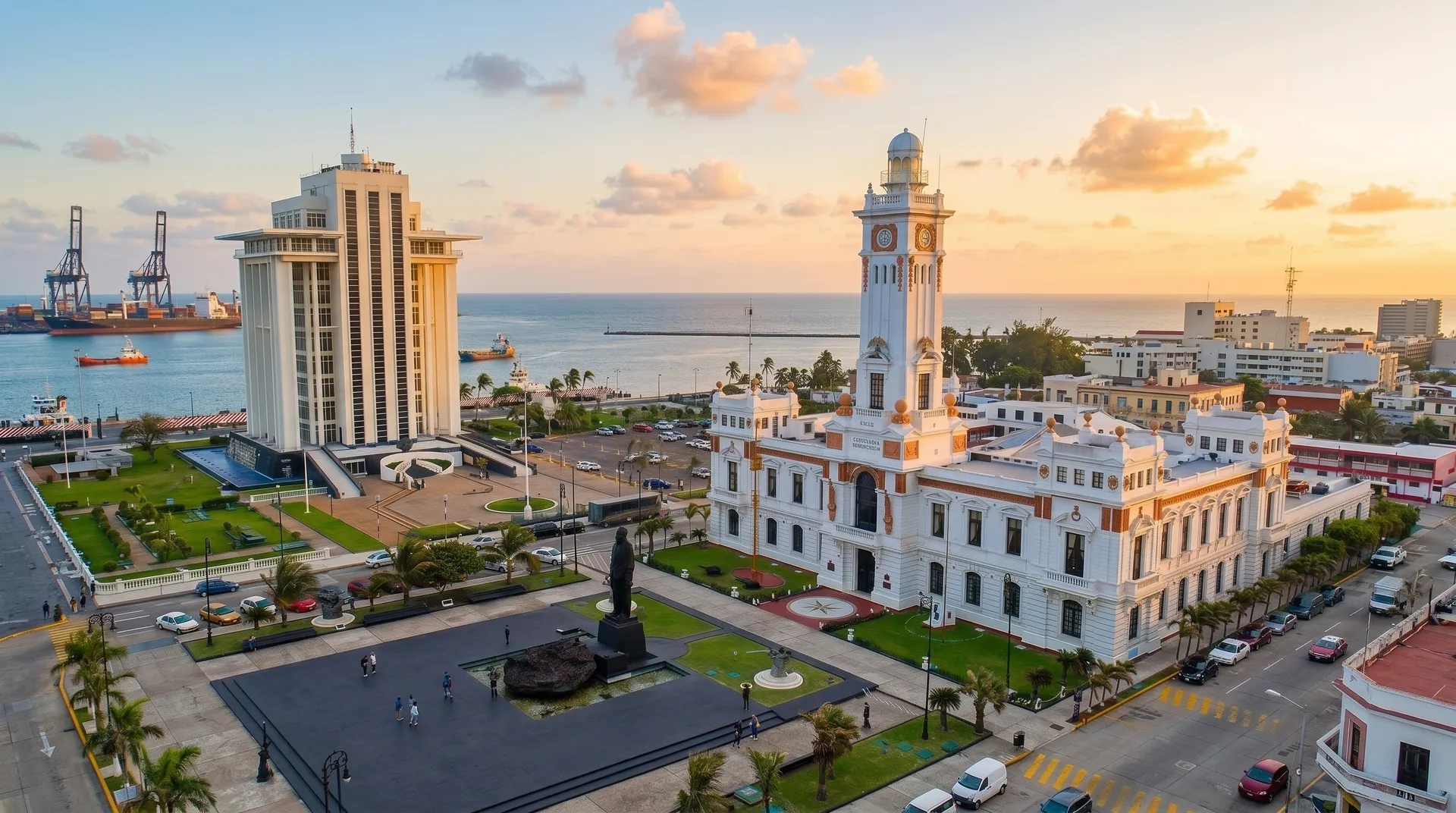
Veracruz stands as Mexico's most important Gulf port city and a strategic logistics hub for international trade. Located on the eastern coast of Mexico, Veracruz provides direct maritime access to global markets and serves as a gateway for imports and exports throughout central and southern Mexico. The city's port facilities handle a significant volume of automotive parts, chemical products, and agricultural exports, making it a critical node in Mexico's supply chain infrastructure.
The region's economy is diversified across multiple sectors including petroleum refining, food processing, automotive manufacturing, and chemical production. Veracruz benefits from excellent transportation connectivity through its port, an international airport, and an extensive highway network connecting to Mexico City and other major industrial centers. The city's strategic position makes it ideal for companies requiring efficient access to both Mexican domestic markets and international destinations via maritime shipping.
 Destination
Bismarck
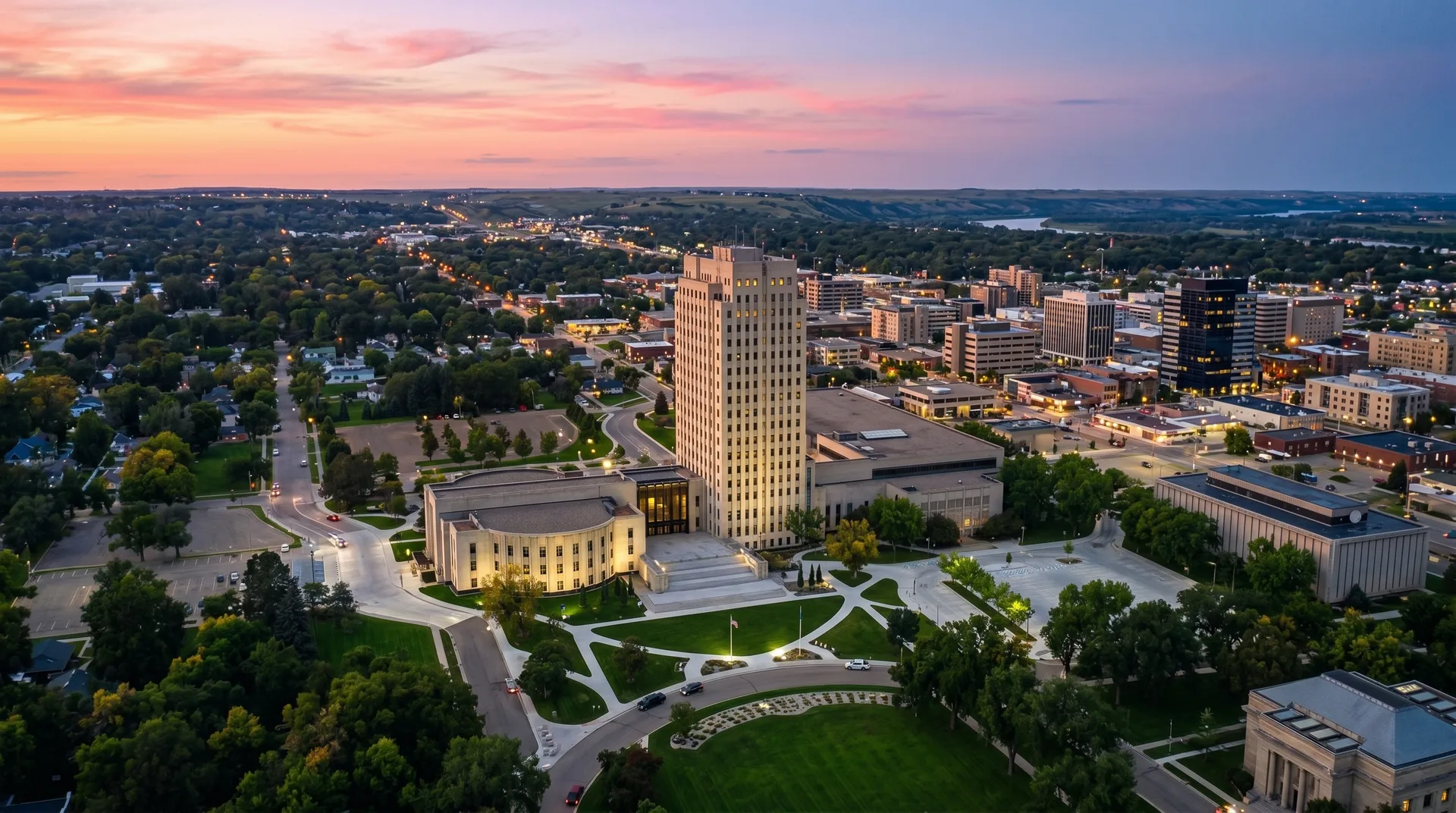
Bismarck serves as the capital city of North Dakota and a strategic logistics center in the northern Great Plains region. Located along the Missouri River, Bismarck provides access to major transportation routes including Interstate 94 and serves as a distribution hub for central and western North Dakota. The city's position makes it a critical point for freight movement supporting the state's energy, agricultural, and manufacturing sectors.
The Bismarck economy is anchored by government services, energy production, agriculture, and healthcare industries. The region is a key center for oil and gas operations, particularly from the Bakken formation, requiring specialized transportation for equipment and supplies. Agricultural activities in the surrounding areas generate significant freight volume for grain, livestock, and agricultural machinery. Bismarck's infrastructure includes rail connections, highway access, and proximity to major distribution centers supporting the broader North Dakota economy.










