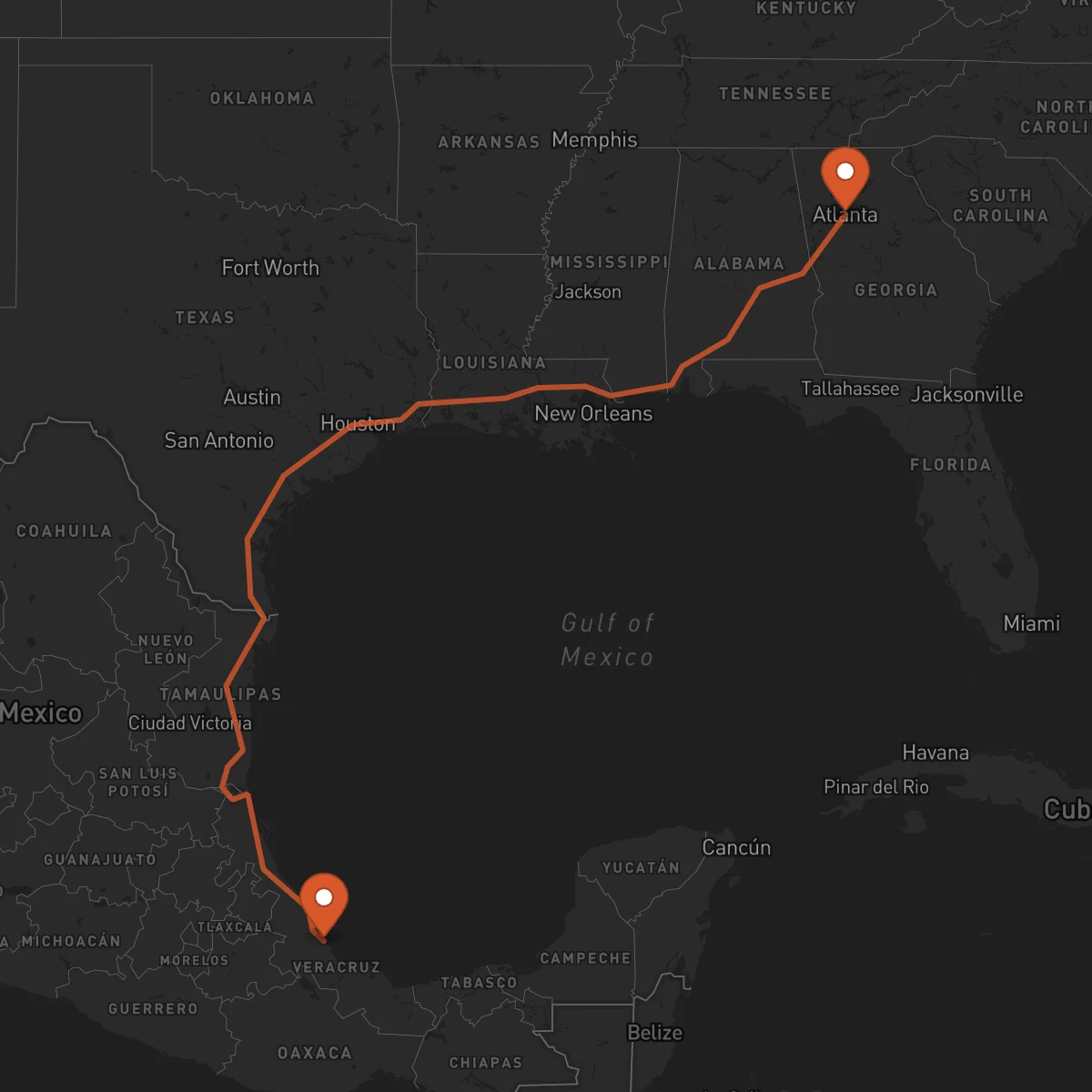
Veracruz to Atlanta
Atlanta → VeracruzFTL freight transportation service between Veracruz and Atlanta. Reliable logistics solutions for your business.
Route Description
Everything you need to know about the corridor Veracruz - Atlanta
The logistics corridor between Veracruz, Mexico and Atlanta, Georgia represents a vital trade route connecting Mexico's Gulf coast with one of the United States' most important logistics hubs. This 1,995 km cross-border route facilitates the movement of goods between Mexico's busiest cargo port and the southeastern United States' industrial heartland. The corridor leverages Mexico's Federal Highway 150D and the United States' Interstate 85, providing a direct connection that passes through key commercial centers. Control Terrestre manages this corridor with specialized cross-border expertise, ensuring seamless cargo movement through proper documentation and customs compliance at both Nuevo Laredo and Laredo border crossings.
Services for this Route
Available services for the corridor Veracruz - Atlanta
 Origin
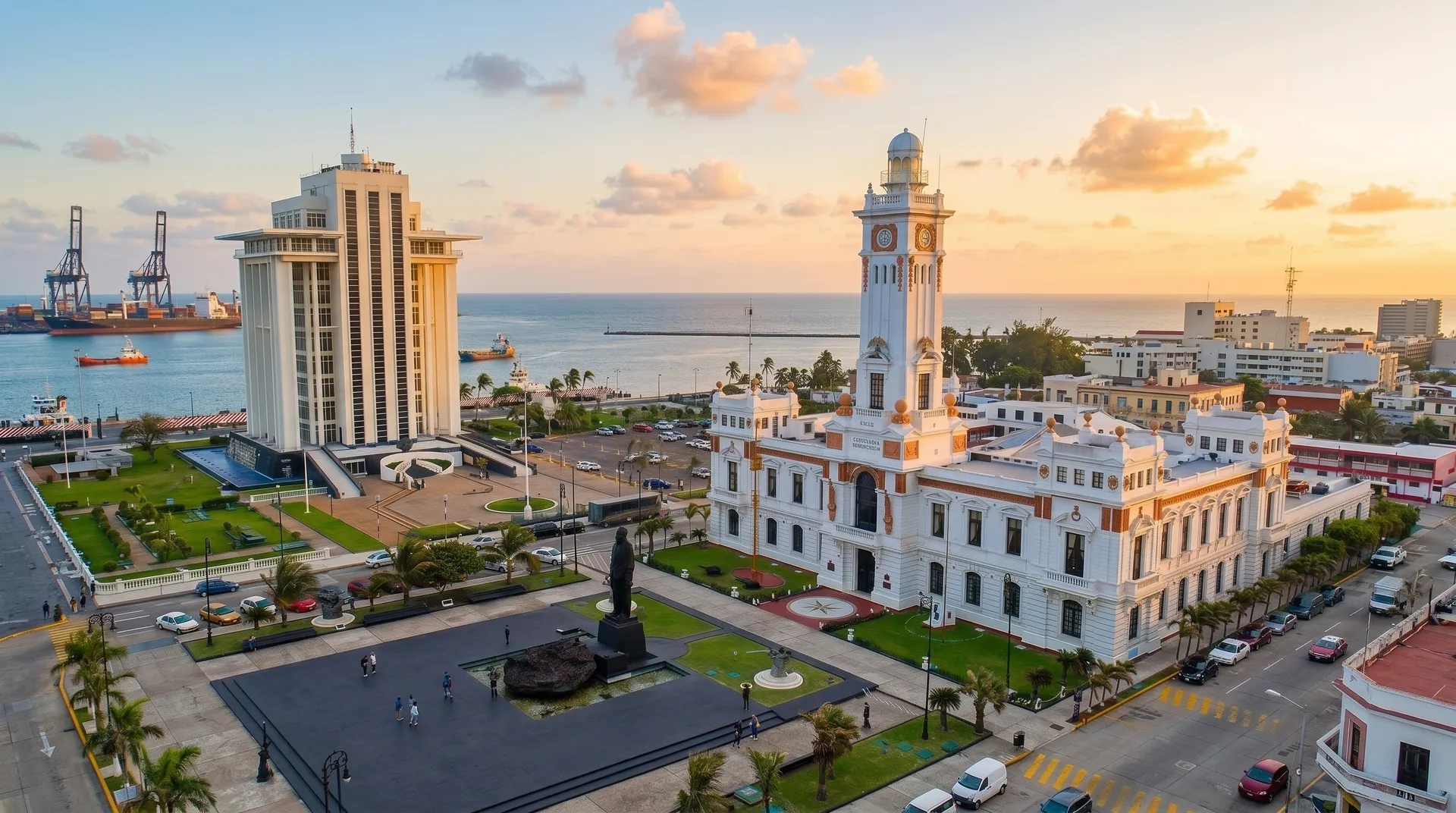
Veracruz stands as Mexico's principal Gulf port and a strategic gateway for international trade. The Port of Veracruz handles significant cargo volumes, connecting ocean freight with ground transportation networks. The region's economy thrives on petrochemical industries, automotive manufacturing, and agricultural exports. Veracruz benefits from excellent transportation infrastructure including the Mexico City-Veracruz highway, rail connections, and proximity to major industrial parks. The city's location provides efficient access to central and northern Mexico, making it an ideal origin point for cross-border freight operations.
 Destination
Atlanta
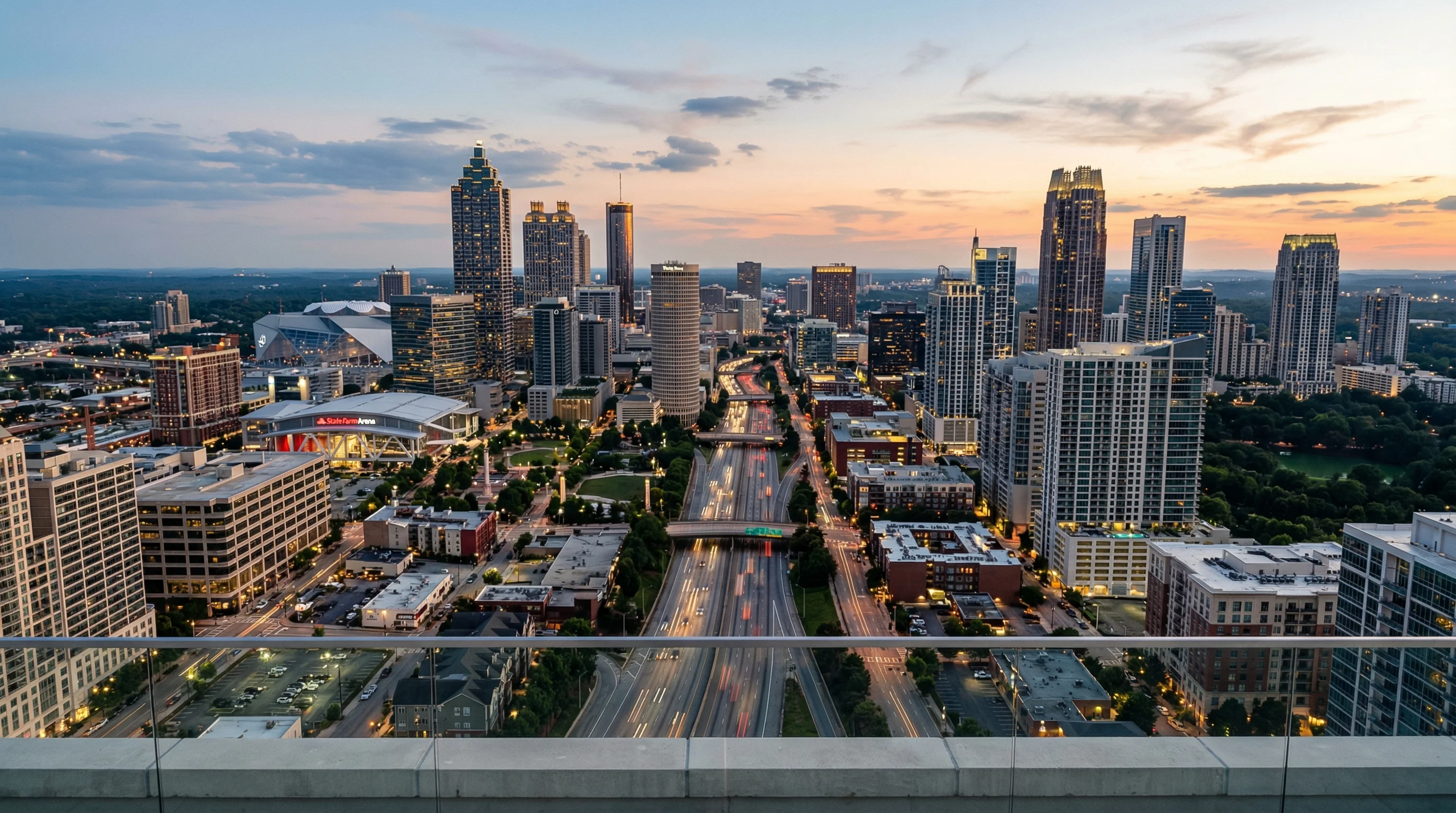
Atlanta serves as a premier logistics hub in the southeastern United States, offering unparalleled connectivity and distribution capabilities. The city's Hartsfield-Jackson International Airport ranks among the world's busiest cargo airports, while its extensive highway network includes I-20, I-75, and I-85. Atlanta's economy centers on advanced manufacturing, automotive assembly, aerospace, healthcare, and technology sectors. The region's concentration of warehousing and distribution centers, combined with its strategic location within a day's drive of two-thirds of the U.S. population, makes it an optimal destination for freight operations.










