Vancouver to Lansing
Lansing → VancouverFTL freight transportation service between Vancouver and Lansing. Reliable logistics solutions for your business.
Route Description
Everything you need to know about the corridor Vancouver - Lansing
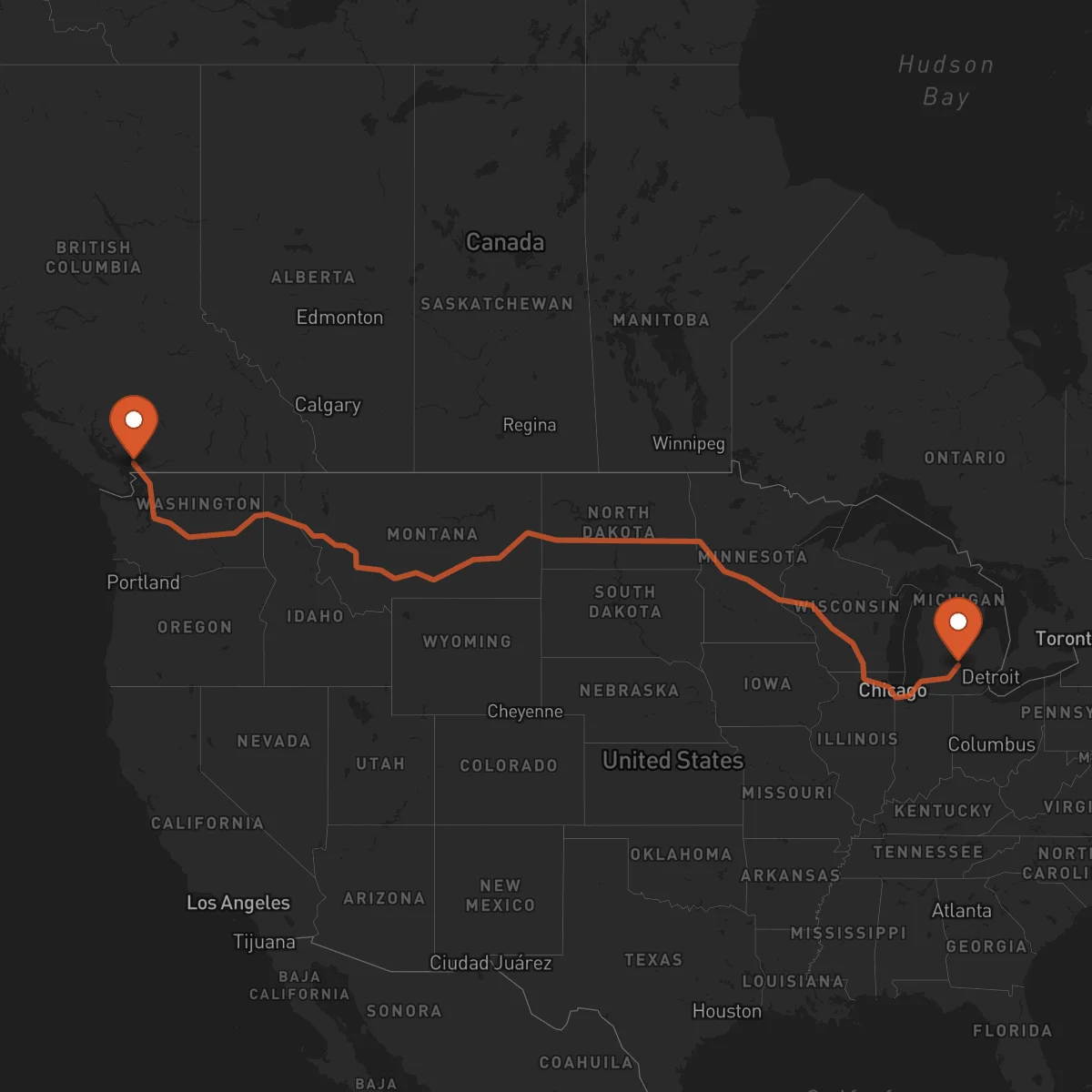
The Vancouver to Lansing corridor represents a vital cross-border logistics route connecting Canada's Pacific gateway with the industrial heartland of Michigan. This 3,031 km transportation corridor serves as a critical link between British Columbia's major port facilities and the manufacturing centers of the Midwest United States. The route facilitates the movement of goods between two major North American economies, supporting international trade and supply chain continuity.
The corridor traverses diverse terrain and crosses international borders, making it essential for businesses engaged in cross-border commerce. Vancouver's status as Canada's largest port on the Pacific coast, combined with Lansing's position as a manufacturing hub in Michigan, creates significant freight demand along this route. The transportation infrastructure includes major highways such as I-5, I-90, and I-94, providing reliable connections through key urban centers and rural areas.
Control Terrestre specializes in managing the complexities of this cross-border corridor, offering comprehensive FTL services that ensure seamless cargo movement. Our expertise includes navigating customs procedures, managing documentation, and coordinating with certified transportation providers who understand the specific requirements of cross-border freight. We facilitate efficient operations through our network of C-TPAT and FAST certified carriers, ensuring compliance with all regulatory requirements while maintaining optimal transit times for our clients' shipments.
Services for this Route
Available services for the corridor Vancouver - Lansing
 Origin
Vancouver
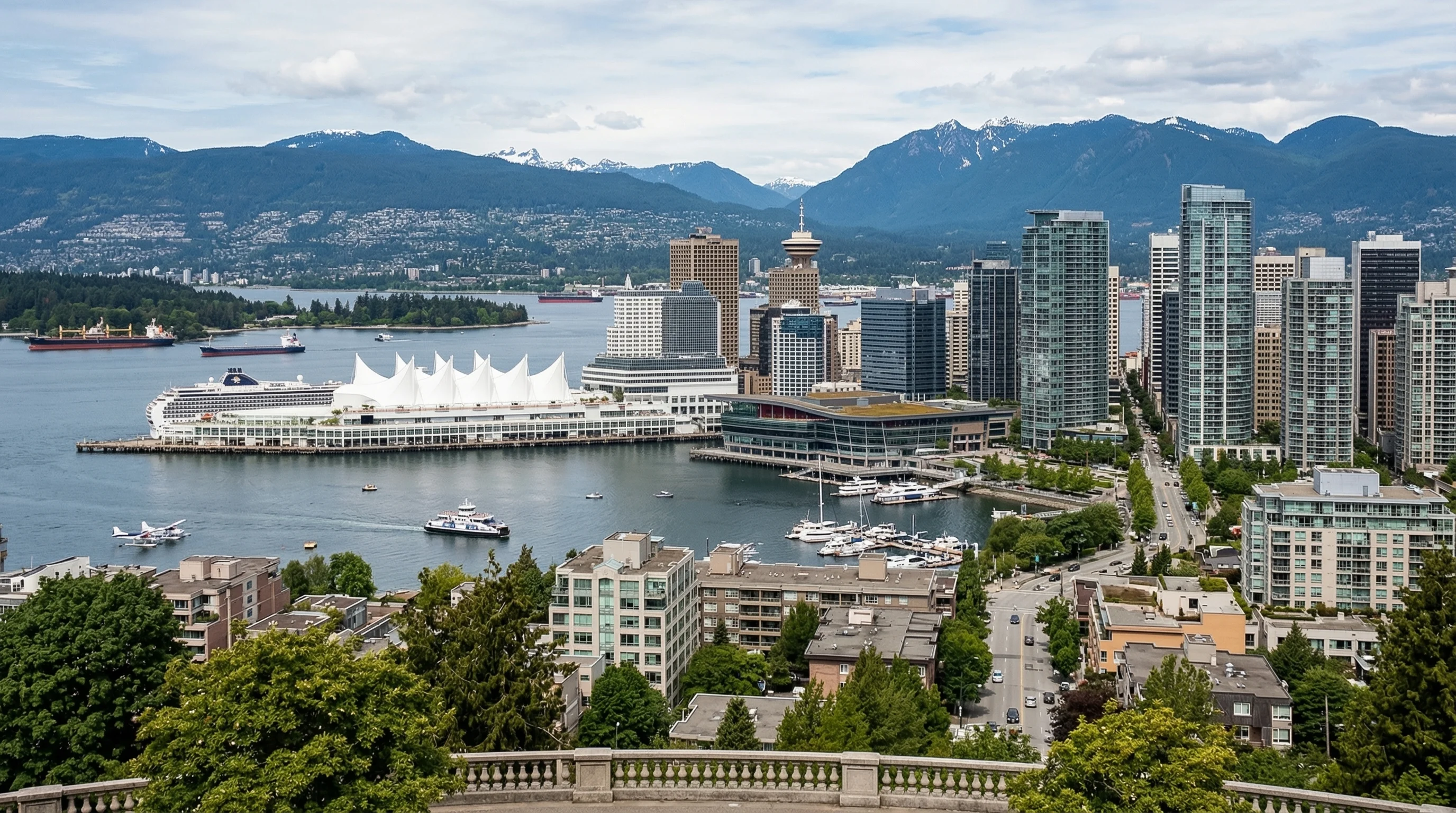
Vancouver serves as a strategic logistics hub on Canada's west coast, positioned as the country's largest port and a gateway for international trade. The city's location provides direct access to Pacific shipping routes, making it an ideal origin point for goods destined for the U.S. Midwest and beyond. Vancouver's robust transportation infrastructure includes major highways, rail connections, and port facilities that handle diverse cargo types efficiently.
The region's economy is diverse, with key industries including technology, film production, natural resources, and international trade. Vancouver's port facilities handle millions of tons of cargo annually, supporting industries such as forestry, agriculture, and manufacturing. The city's proximity to Asian markets and its role as a distribution center for Western Canada make it a critical node in North American supply chains.
 Destination
Lansing
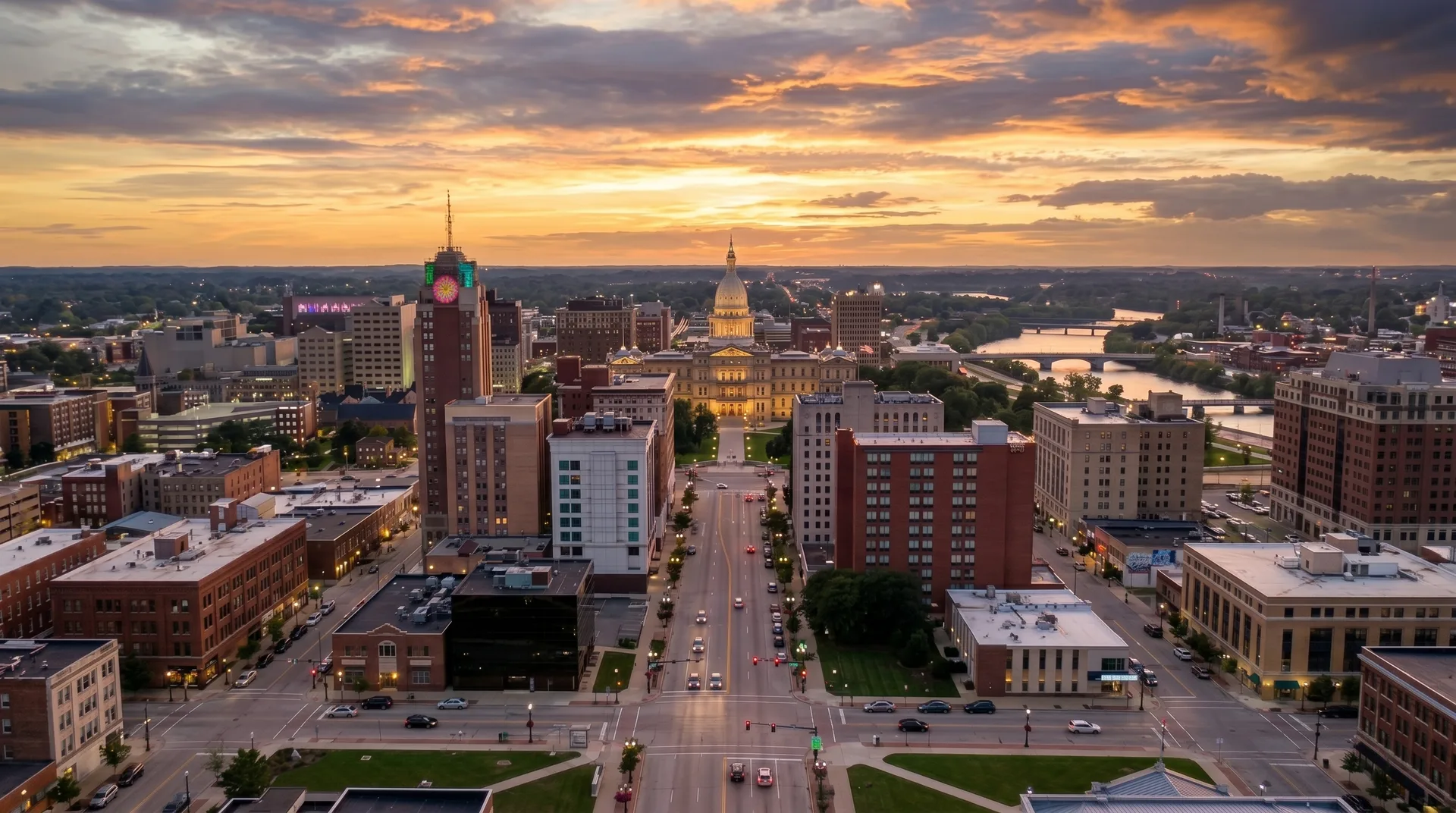
Lansing, Michigan serves as a strategic logistics destination in the heart of the American Midwest, offering excellent connectivity to major industrial centers across the region. The city's location provides access to a vast network of highways and transportation infrastructure, making it an ideal hub for distribution and manufacturing operations. Lansing's position in Michigan places it within reach of automotive manufacturing centers, agricultural regions, and major consumer markets throughout the Midwest.
The Lansing area's economy is anchored by manufacturing, particularly in the automotive and technology sectors. The region benefits from Michigan's strong industrial base, with numerous companies relying on efficient freight transportation to maintain their supply chains. The city's infrastructure includes well-developed highway systems and proximity to major rail networks, facilitating the movement of goods throughout the region and beyond.










