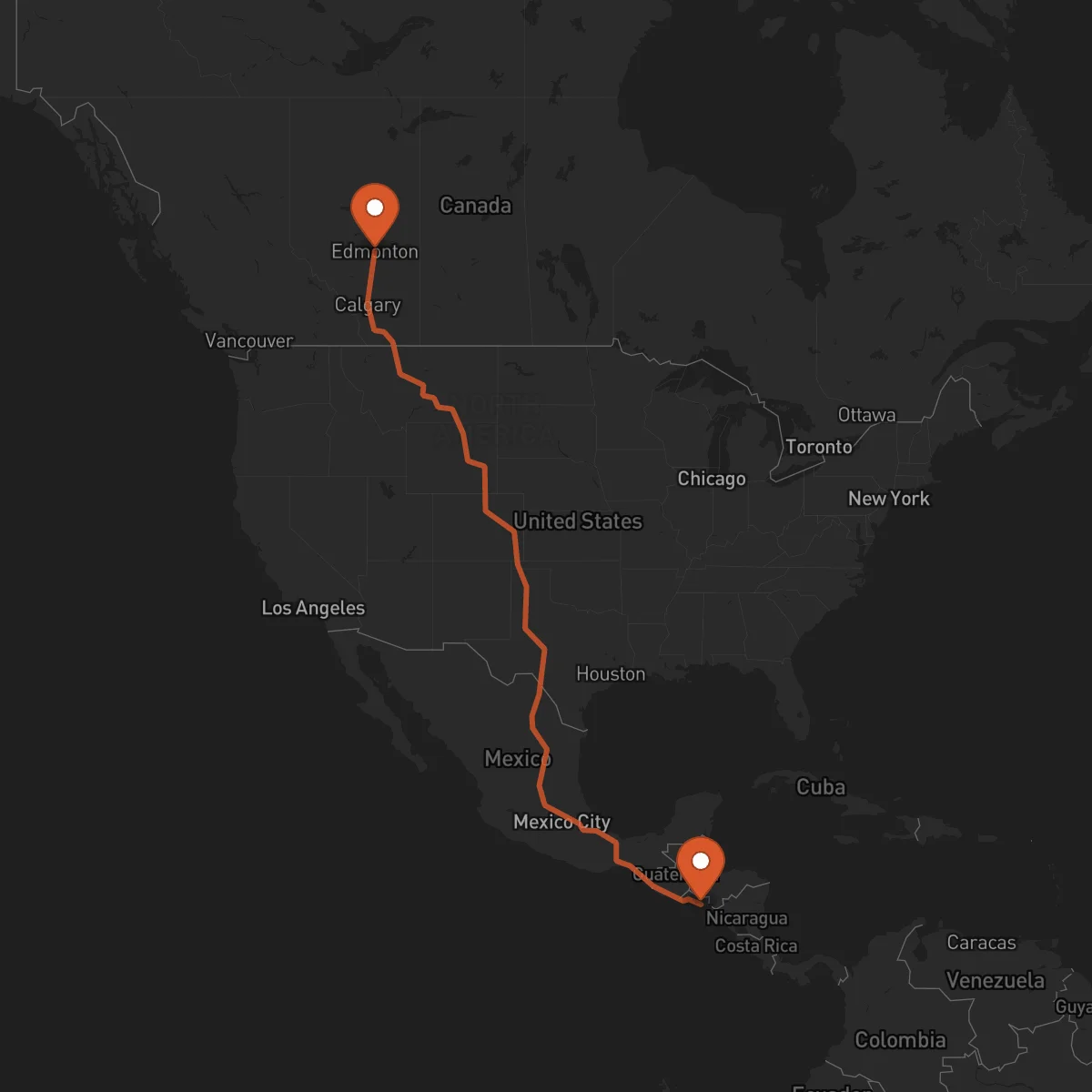
Usulután to Edmonton
Edmonton → UsulutánFTL freight transportation service between Usulután and Edmonton. Reliable logistics solutions for your business.
Route Description
Everything you need to know about the corridor Usulután - Edmonton
The logistics corridor connecting Usulután, El Salvador, to Edmonton, Alberta, represents a vital cross-border route spanning approximately 4983 kilometers. This corridor holds significant strategic importance, linking the Pacific coast of Central America with the economic heartland of Western Canada. It serves as a crucial channel for trade, enabling the flow of goods between dynamic regional markets and global supply chains.
The economic and industrial context of this region is robust, driven by sectors such as agriculture, energy, manufacturing, and natural resources. In Alberta, Edmonton acts as a major hub for the energy sector and government services, while the Usulután region contributes agricultural and light industrial outputs. This diverse economic activity generates consistent freight demand along the corridor.
Key industries utilizing this corridor include energy, agriculture, and manufacturing, requiring specialized transportation solutions for their cargo. The primary transportation infrastructure relies on a network of national highways that connect to major thoroughfares leading north. Border crossings involve standard customs procedures where documentation and compliance are essential for smooth transit. Control Terrestre facilitates operations on this corridor by leveraging our exclusive FTL services, utilizing equipment such as dry vans and refrigerated units. Our certified providers ensure cargo moves efficiently, navigating cross-border complexities with expertise in hazardous materials and specialized cargo.
Services for this Route
Available services for the corridor Usulután - Edmonton
 Origin
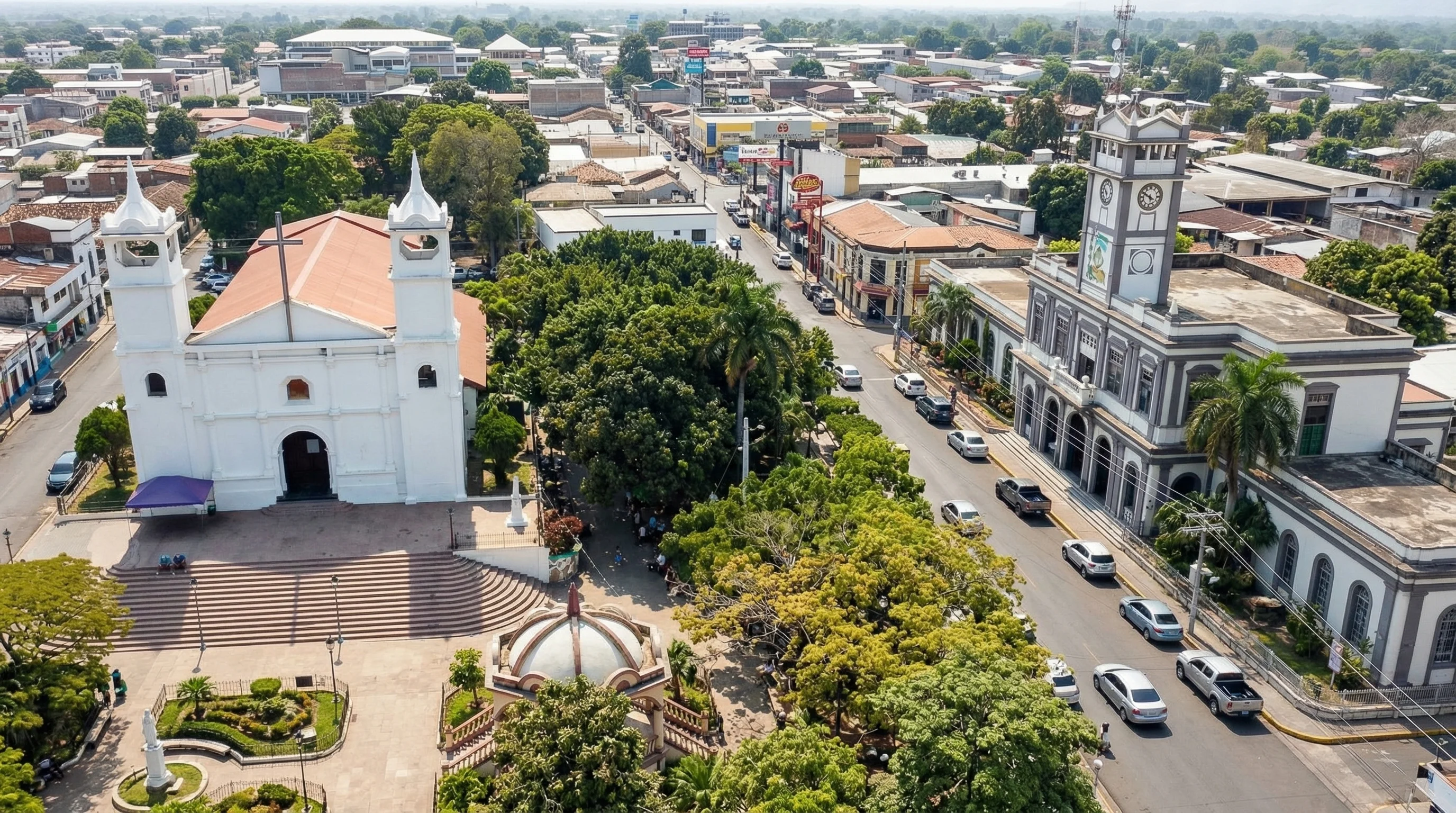
Usulután
Usulután, located in central El Salvador, offers a strategic logistical position due to its connectivity within the Central American region. It serves as a key point for consolidating freight destined for northern markets, providing access to major shipping routes. The local economy is supported by industries such as agriculture, textiles, and food processing, which generate significant freight volumes. Available transportation infrastructure includes well-maintained highways that integrate with regional distribution networks, allowing for efficient cargo movement toward international gateways. This infrastructure supports the initial leg of the journey, ensuring that goods are prepared for the long-haul transit to North America.
 Destination
Edmonton, the capital of Alberta, is a major logistics hub in Western Canada, renowned for its strategic location and economic vitality. It is a center for the energy sector, particularly oil and gas, alongside government services and technology industries. The city's infrastructure supports complex supply chain operations, making it a critical endpoint for freight arriving from abroad. Transportation infrastructure includes extensive highway systems and intermodal facilities that enable seamless distribution across Canada. This robust infrastructure ensures that specialized cargo, including FTL shipments, can be received and distributed efficiently, supporting the diverse industrial needs of the region.










