Usulután to Durango
Durango → UsulutánFTL freight transportation service between Usulután and Durango. Reliable logistics solutions for your business.
Route Description
Everything you need to know about the corridor Usulután - Durango
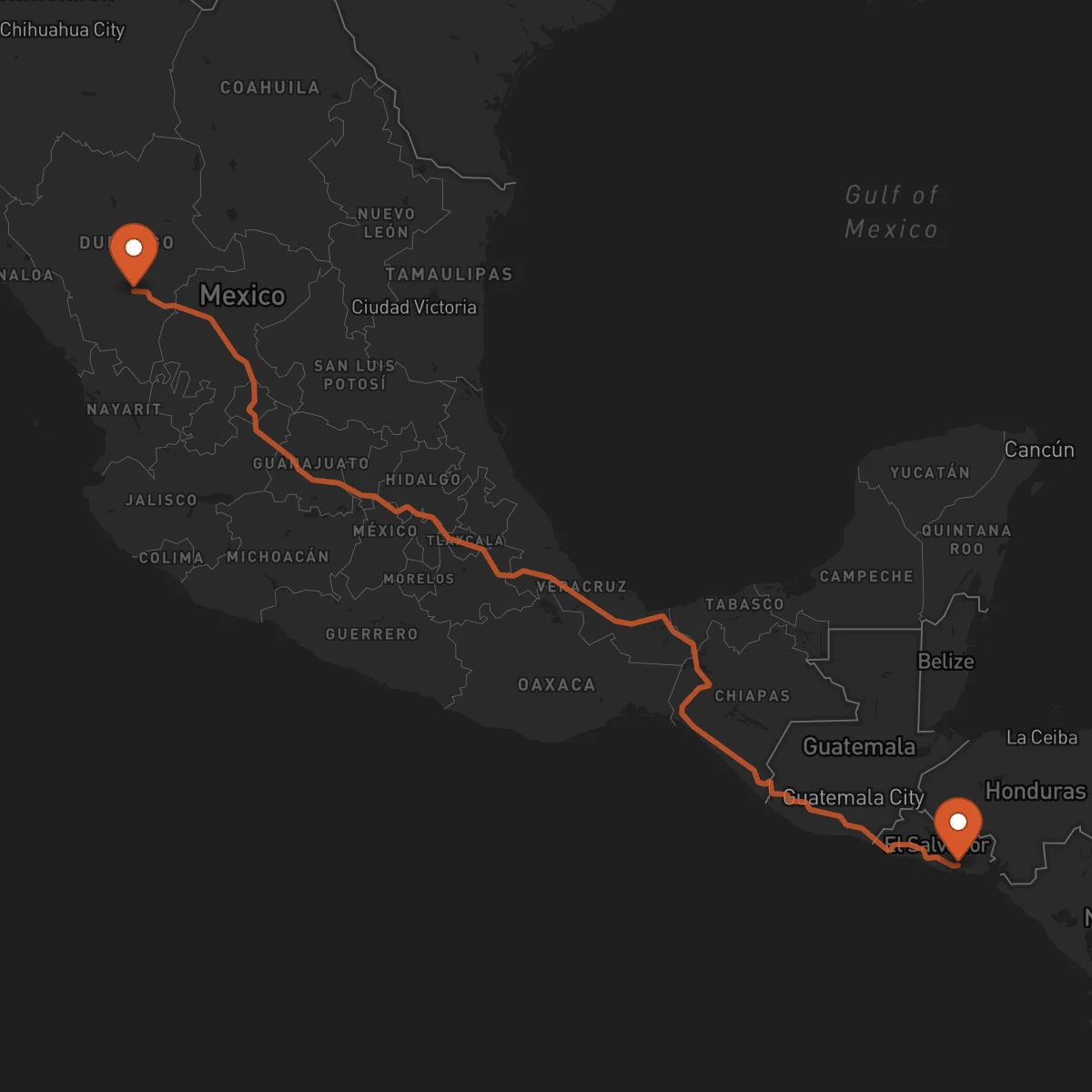
The Usulután to Durango corridor represents a vital north-south logistics artery connecting the agricultural heartland of El Salvador with the industrial and mining hubs of Northern Mexico. Spanning approximately 2,078 kilometers, this cross-border route traverses multiple countries and climates, facilitating the essential flow of goods that support regional economies. Strategically, it bridges Central American production centers with key manufacturing and distribution nodes in Mexico, often serving as a conduit for cargo destined for the U.S. border or for domestic Mexican consumption. The economic context is defined by the export of Salvadoran agricultural commodities and the import of Mexican industrial products, machinery, and consumer goods. Primary industries leveraging this corridor include agriculture (coffee, sugar, seafood), food and beverage processing, and manufacturing from the origin, supporting mining, automotive, and general manufacturing sectors at the destination. The transportation infrastructure relies on a network of major highways, beginning with El Salvador's CA-1, transitioning through Guatemala's CA-1 and CA-9, and entering Mexico via federal highways such as Fed 190 and the critical Fed 40/45 corridor through the Sierra Madre. Key border crossings, notably between Guatemala and Mexico at points like Tecún Umán / Ciudad Hidalgo, are pivotal for customs clearance. We at Control Terrestre facilitate seamless operations on this corridor through our robust alliance network of certified carriers. Our providers hold essential credentials like C-TPAT, FAST, and BASC, ensuring secure and efficient cross-border movements. We deploy appropriate equipment—including 53' dry vans, reefers, and flatbeds—tailored to the diverse cargo needs from Usulután's farms to Durango's factories, managing the complexities of international documentation and transit with a single, human point of contact.
Services for this Route
Available services for the corridor Usulután - Durango
 Origin
Usulután
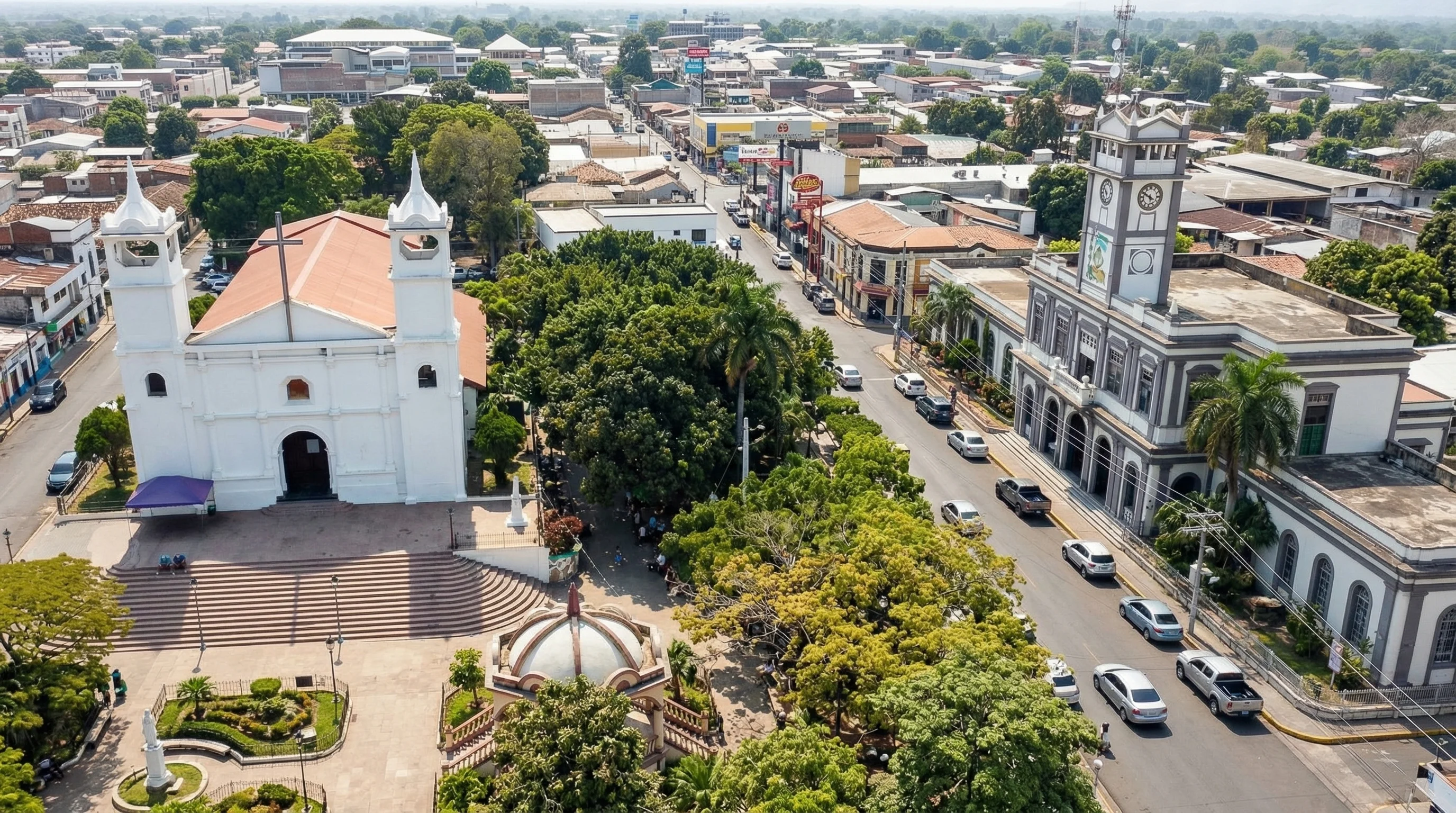
Usulután, located in southeastern El Salvador, offers a strategic Pacific coastal location that serves as a primary agricultural export gateway. Its economy is deeply rooted in the production of key cash crops, most notably high-quality coffee, sugarcane, and aquaculture (shrimp). The region's fertile plains and favorable climate support extensive agribusiness, making it a critical origin for perishable and bulk agricultural goods. The department is well-connected by road via the CA-1 highway, which runs east-west, linking it directly to the capital, San Salvador, and to the major port of Acajutla. This port access is crucial for international shipping, but for overland freight, the CA-1 provides the essential northward connection to the Guatemalan border and the wider continental network. Infrastructure includes established packing and processing facilities near production zones, supporting efficient loading for full truckload (FTL) shipments destined for markets in Guatemala, Mexico, and beyond.
 Destination
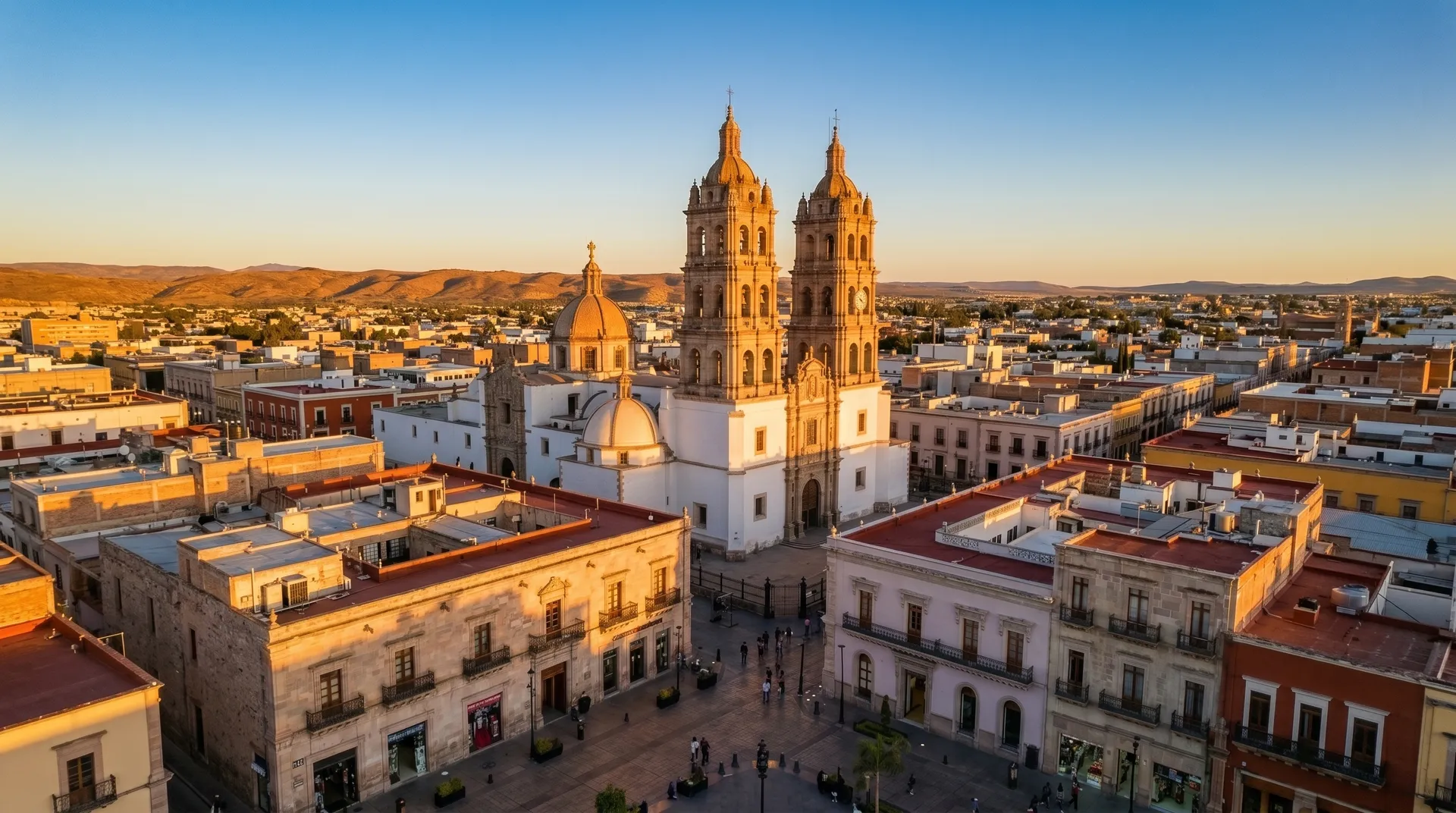
Durango, the capital of the state of Durango in north-central Mexico, is a strategic industrial and logistics hub with excellent connectivity to the U.S. border and Mexico's interior. Its economy is historically driven by mining (gold, silver, iron) and has diversified into manufacturing, particularly automotive and aerospace parts, alongside robust agriculture (wheat, corn, livestock). The city's location provides a natural corridor between the U.S. border states (like Chihuahua and Coahuila) and central Mexico. Major federal highways, most significantly Fed 45 (running north-south to the U.S. border at Ciudad Juárez/El Paso) and Fed 40 (connecting to the Pacific port of Mazatlán), converge near Durango, creating a multimodal logistics node. This infrastructure supports efficient distribution for industries requiring raw materials inbound and finished goods outbound. The presence of industrial parks and a skilled workforce further solidifies its role as a key destination for freight moving between the U.S. and the heart of Mexico.










