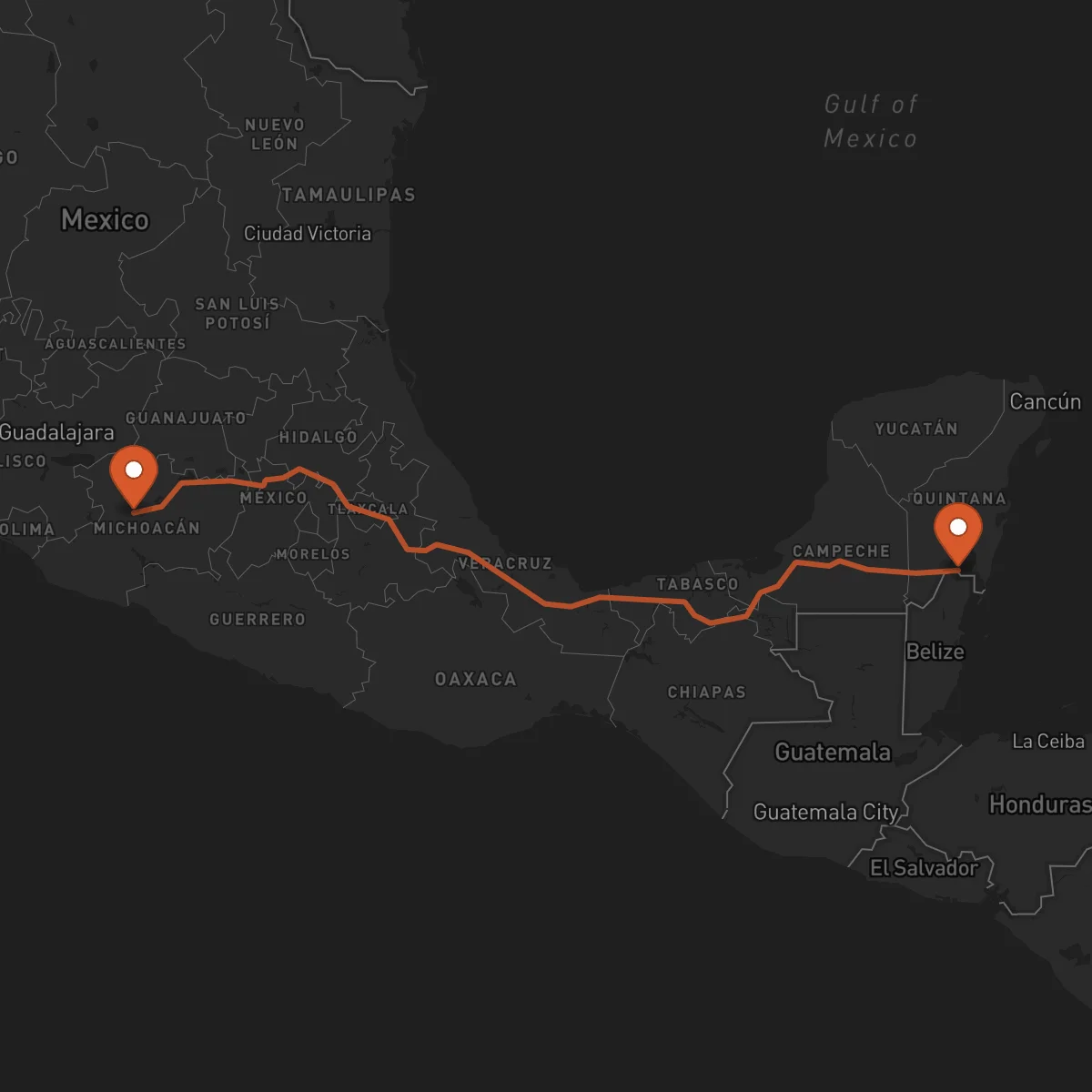
Uruapan to Chetumal
Chetumal → UruapanFTL freight transportation service between Uruapan and Chetumal. Reliable logistics solutions for your business.
Route Description
Everything you need to know about the corridor Uruapan - Chetumal
The logistics corridor connecting Uruapan, Michoacán to Chetumal, Quintana Roo spans approximately 1,449 kilometers across Mexico's diverse geography. This strategic route links the agricultural heartland of western Mexico with the emerging economic hub of the Yucatán Peninsula, creating vital supply chain connections for businesses operating in both regions. The corridor traverses key states including Michoacán, Guerrero, Oaxaca, Chiapas, and Quintana Roo, crossing through diverse terrains from mountainous regions to tropical lowlands.
The economic significance of this corridor cannot be overstated. Uruapan serves as a crucial agricultural processing center, while Chetumal represents growing opportunities in tourism, commerce, and regional trade. This route facilitates the movement of agricultural products, manufactured goods, and raw materials between Mexico's Pacific and Caribbean regions. The corridor supports industries ranging from food processing and automotive parts to construction materials and consumer goods distribution.
Control Terrestre provides specialized FTL transportation services along this corridor, ensuring reliable and efficient cargo movement. Our experienced carriers navigate the route's unique challenges, including varying road conditions and regional regulations. We offer dedicated full truckload services that optimize transit times and cargo security, with real-time tracking and professional handling throughout the journey. Our strategic partnerships with certified carriers ensure compliance with all transportation regulations and safety standards across all states.
This corridor represents more than just a transportation route—it's a vital economic artery connecting Mexico's diverse regions. Control Terrestre's expertise in managing this specific corridor ensures that businesses can maintain consistent supply chains, whether shipping from Uruapan's agricultural processing facilities to Chetumal's growing commercial centers, or facilitating reverse logistics and just-in-time inventory management across this extensive route.
Services for this Route
Available services for the corridor Uruapan - Chetumal
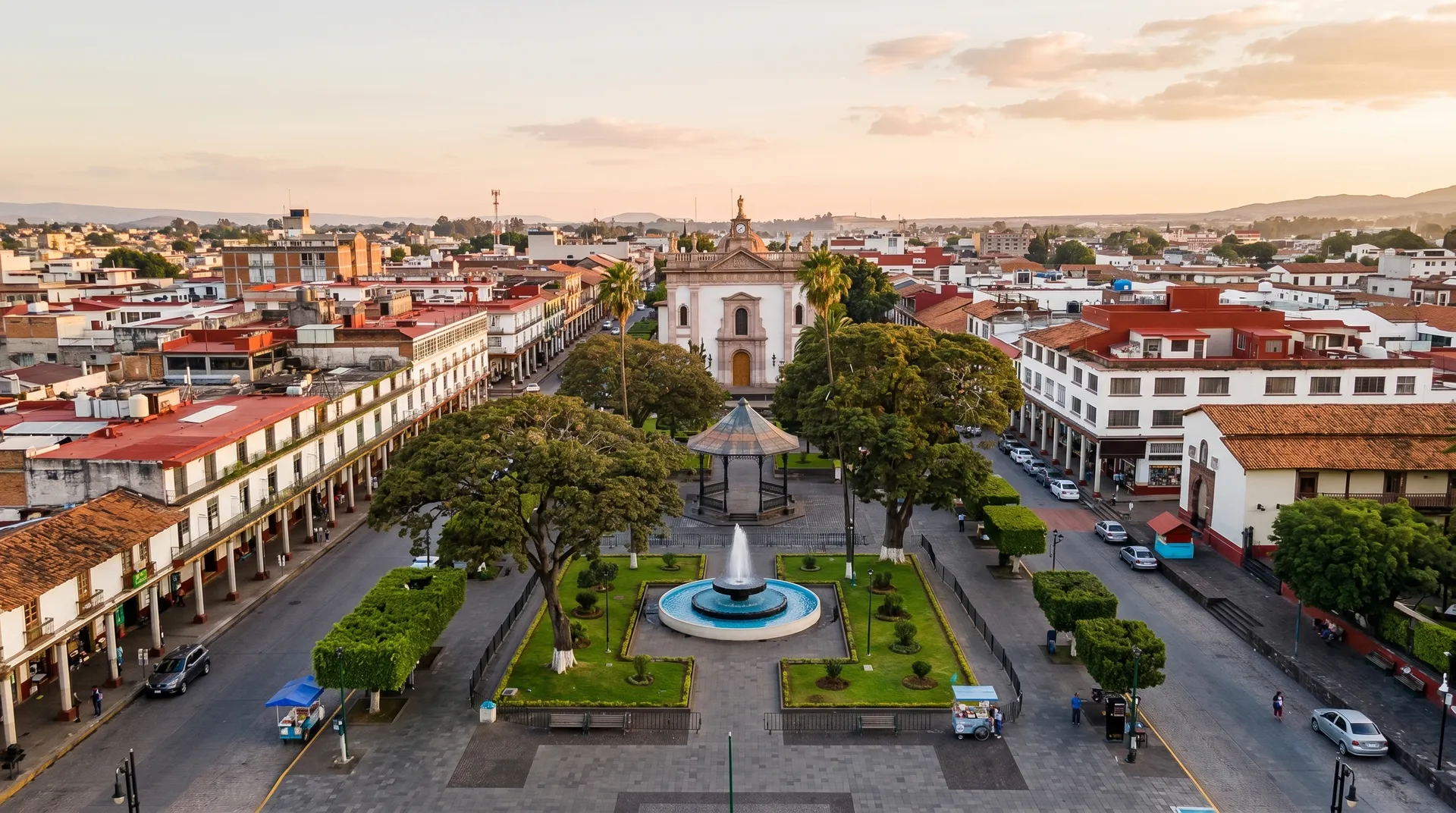 Origin
Uruapan, located in the heart of Michoacán, stands as one of Mexico's most important agricultural and industrial centers. Known as the 'World Capital of Avocado,' Uruapan serves as a strategic logistics hub for western Mexico, with excellent connectivity to major ports like Lázaro Cárdenas and industrial centers throughout the Bajío region. The city's elevation and climate create ideal conditions for year-round agricultural production and processing.
The region's economy thrives on agriculture, food processing, and light manufacturing. Uruapan hosts numerous agro-industrial facilities that process avocados, berries, and other crops before distribution across Mexico and for export. The city's industrial parks accommodate automotive suppliers, packaging companies, and food processing plants, creating a diverse economic ecosystem. Transportation infrastructure includes direct highway connections to major routes like the Carretera Federal 15 and proximity to the Lázaro Cárdenas port, providing multiple options for freight movement.
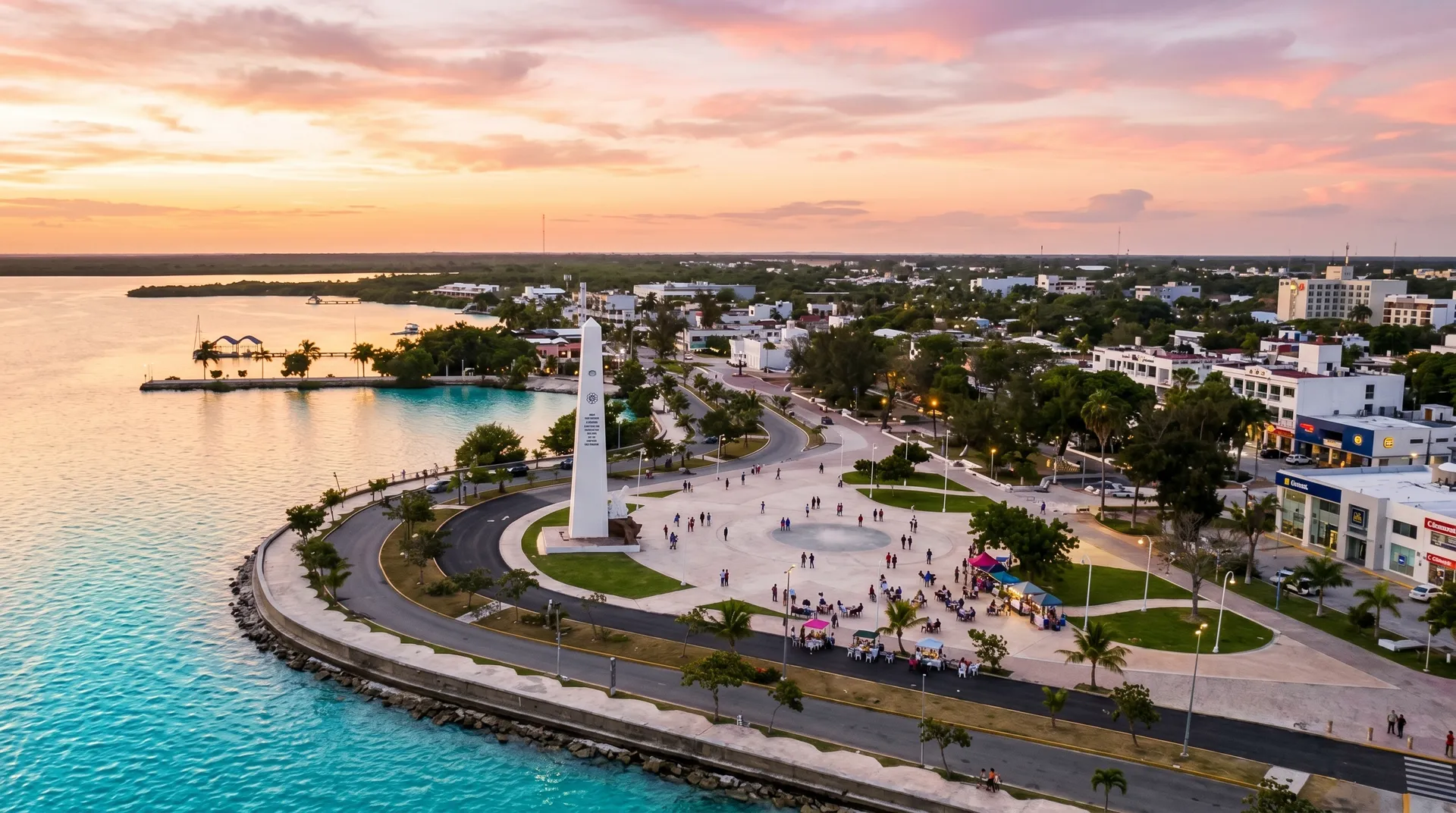 Destination
Chetumal
Chetumal, the capital of Quintana Roo, represents a strategic gateway to Mexico's southeastern region and Central America. Located on the border with Belize, Chetumal serves as a crucial commercial and logistics center for the Yucatán Peninsula, connecting Mexico's Caribbean coast with the rest of the country and international markets. The city's position at the intersection of major trade routes makes it an increasingly important logistics hub.
The local economy is driven by tourism, government services, and growing commercial activities. Chetumal's Free Trade Zone and proximity to cruise ship ports create unique opportunities for international trade and distribution. The region is experiencing industrial growth, particularly in food processing, construction materials, and consumer goods distribution. Transportation infrastructure includes the Carretera Federal 307 connecting to Cancún and the Maya Train project, which will further enhance regional connectivity and freight movement capabilities.










