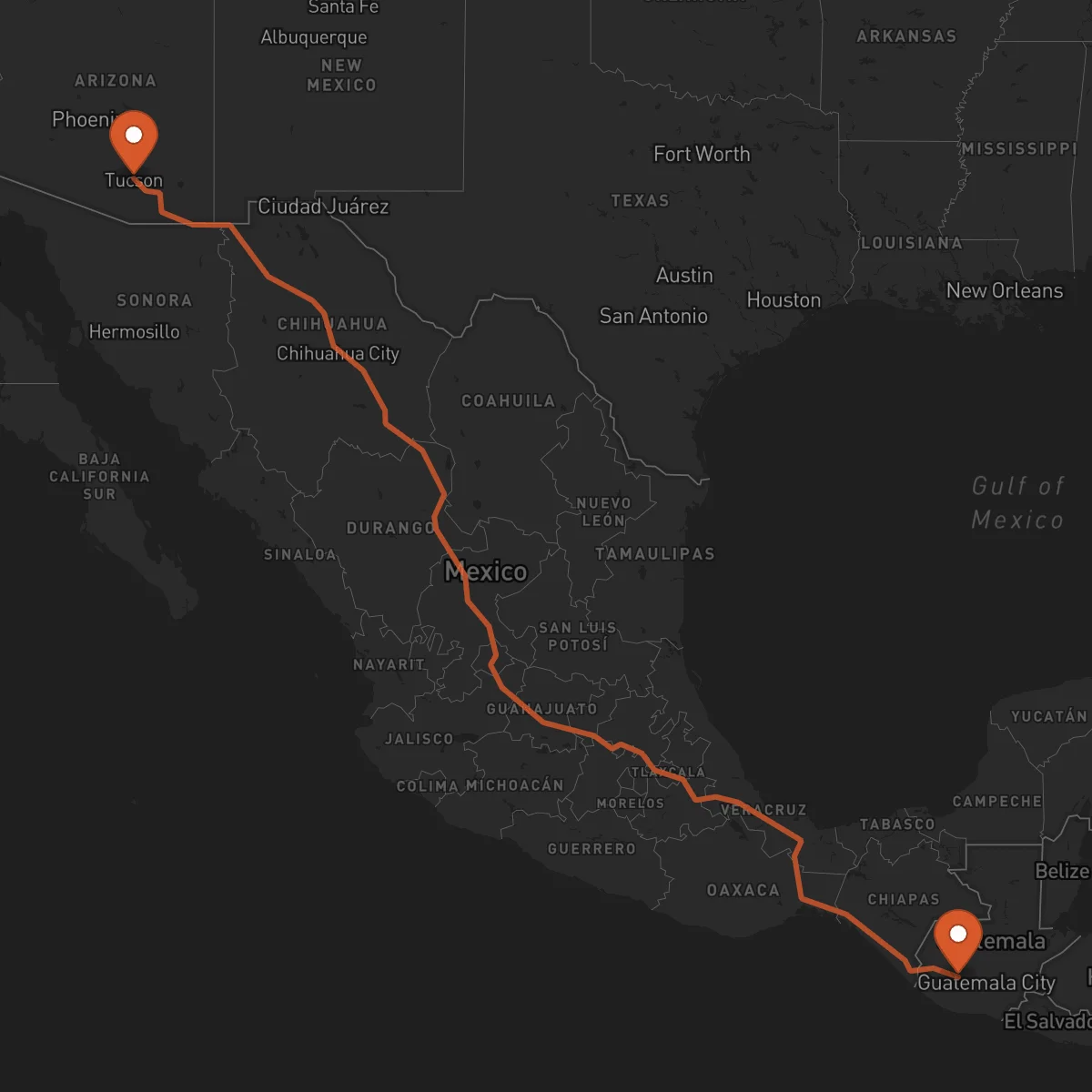
Tucson to Sololá
Sololá → TucsonFTL freight transportation service between Tucson and Sololá. Reliable logistics solutions for your business.
Route Description
Everything you need to know about the corridor Tucson - Sololá
The Tucson to Sololá logistics corridor represents a vital cross-border connection spanning approximately 2,793 kilometers between the United States and Guatemala. This route serves as a strategic artery for international trade, linking the industrial capabilities of Arizona with the growing manufacturing and agricultural sectors of Guatemala's highlands. The corridor traverses diverse terrain and crosses multiple jurisdictions, requiring expert navigation of customs procedures and regulatory compliance.
The transportation infrastructure along this route includes major highways such as Interstate 10, which connects Tucson to El Paso, followed by Mexican Federal Highways 45 and 180 through Mexico, before entering Guatemala via the El Florido border crossing. The route continues through Guatemala's interior highway system to reach Sololá, a department known for its indigenous communities and agricultural production. Control Terrestre's expertise in cross-border operations ensures seamless coordination across these multiple jurisdictions, with our C-TPAT and BASC certified partners facilitating efficient customs clearance and compliance with all regulatory requirements.
This corridor primarily serves industries including electronics manufacturing, automotive components, agricultural products, textiles, and consumer goods. Companies operating between these regions benefit from our dedicated full truckload services, which provide direct transportation without the delays associated with consolidated freight. Our specialized equipment options, including refrigerated units for perishable goods and flatbed trailers for oversized cargo, ensure that diverse freight requirements are met with reliability and efficiency.
Services for this Route
Available services for the corridor Tucson - Sololá
 Origin
Tucson
Tucson, Arizona serves as a strategic logistics hub in the southwestern United States, offering excellent connectivity to major markets across North America. The city's proximity to the Mexican border and its position along Interstate 10 provide direct access to both domestic and international freight routes. Tucson's economy is anchored by aerospace and defense industries, electronics manufacturing, and agricultural production, particularly winter vegetables and livestock. The region benefits from multiple transportation infrastructure assets including Tucson International Airport, Union Pacific rail connections, and the Port of Tucson for cross-border operations. The city's industrial parks and distribution centers are equipped to handle diverse freight requirements, making it an ideal origin point for full truckload shipments requiring reliable transportation to Central American destinations.
 Destination
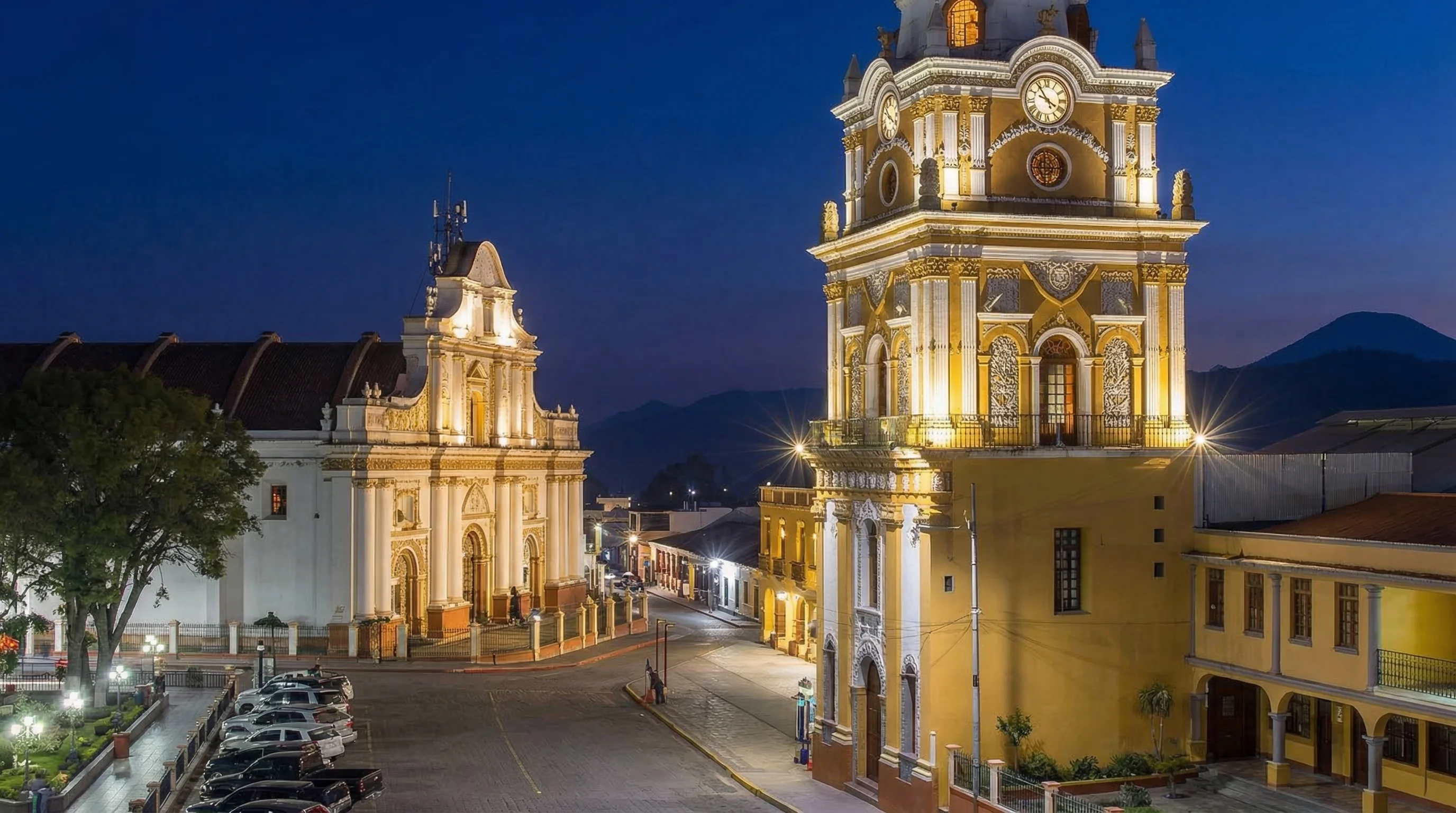
Sololá, Guatemala represents a key logistics destination in the country's central highlands, strategically positioned to serve both domestic markets and international trade routes. The department is known for its agricultural production, including coffee, vegetables, and flowers, as well as emerging manufacturing sectors. Sololá's location provides access to Guatemala's interior highway network, connecting to major cities like Guatemala City and Quetzaltenango. The region's transportation infrastructure includes paved highways connecting to the CA-1 Pan-American Highway, facilitating movement of goods throughout the country. While Sololá itself is a smaller urban center, its proximity to Guatemala's industrial zones and agricultural regions makes it an important destination for freight transportation, particularly for industries requiring specialized handling such as refrigerated transport for perishable goods or dedicated services for manufacturing components.










