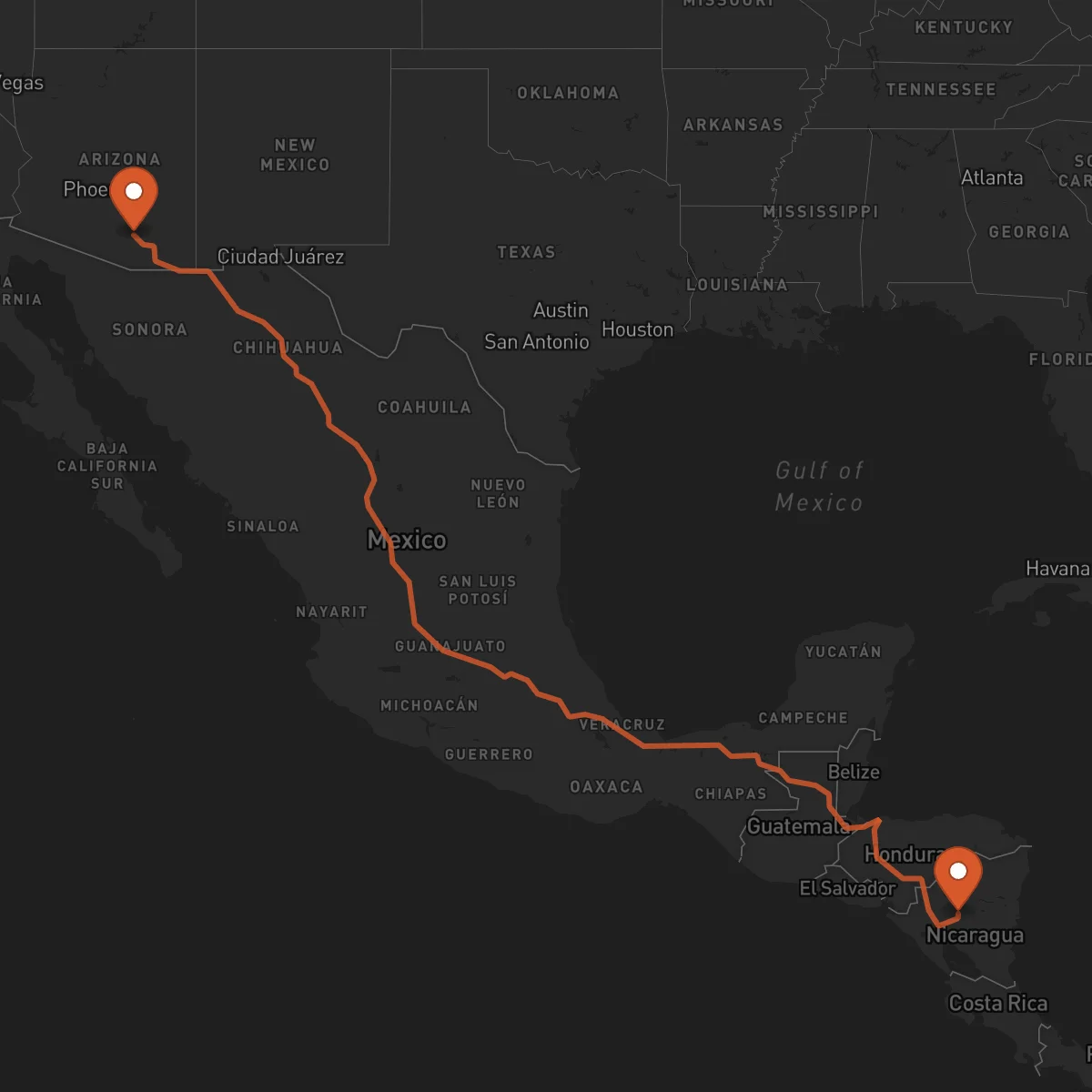
Tucson to Matagalpa
Matagalpa → TucsonFTL freight transportation service between Tucson and Matagalpa. Reliable logistics solutions for your business.
Route Description
Everything you need to know about the corridor Tucson - Matagalpa
The Tucson to Matagalpa corridor represents a strategic cross-border freight transportation route connecting the United States with Nicaragua. This 3,371 km corridor facilitates the movement of goods between North America and Central America, supporting vital trade relationships and supply chain operations. The route traverses diverse terrain and crosses multiple international borders, making it essential for companies engaged in regional commerce.
The corridor serves as a critical link for industries requiring specialized freight transportation between the southwestern United States and Central America. Major highways including Interstate 10, Interstate 35, and various Mexican and Central American routes form the backbone of this transportation network. The route passes through key commercial hubs and industrial centers, enabling efficient distribution of goods across multiple markets.
Key industries utilizing this corridor include automotive manufacturing, agricultural products, electronics, and consumer goods. The route particularly benefits companies requiring dedicated transportation services for time-sensitive or high-value cargo. Control Terrestre provides comprehensive logistics solutions for this corridor, offering specialized equipment and certified carriers to ensure secure and efficient freight movement. Our expertise in cross-border operations and customs clearance helps clients navigate the complexities of international transportation between these regions.
Services for this Route
Available services for the corridor Tucson - Matagalpa
 Origin
Tucson
Tucson, Arizona serves as a strategic logistics hub in the southwestern United States, offering excellent connectivity to major transportation networks. The city's location near the U.S.-Mexico border provides unique advantages for cross-border freight operations, with proximity to key ports of entry facilitating efficient trade with Mexico. Tucson's transportation infrastructure includes major highways such as Interstate 10, which connects to cross-border routes and provides direct access to both coastal and inland destinations.
The region's economy is diverse, with strong presence in aerospace and defense, technology, healthcare, and logistics sectors. Tucson benefits from the nearby Port of Tucson Inland Port, which serves as a major distribution center for international trade. The city's industrial base includes manufacturing facilities, warehousing operations, and logistics centers that support regional and international supply chains. Tucson's climate and infrastructure make it ideal for various types of freight transportation, including specialized and temperature-controlled cargo.
 Destination
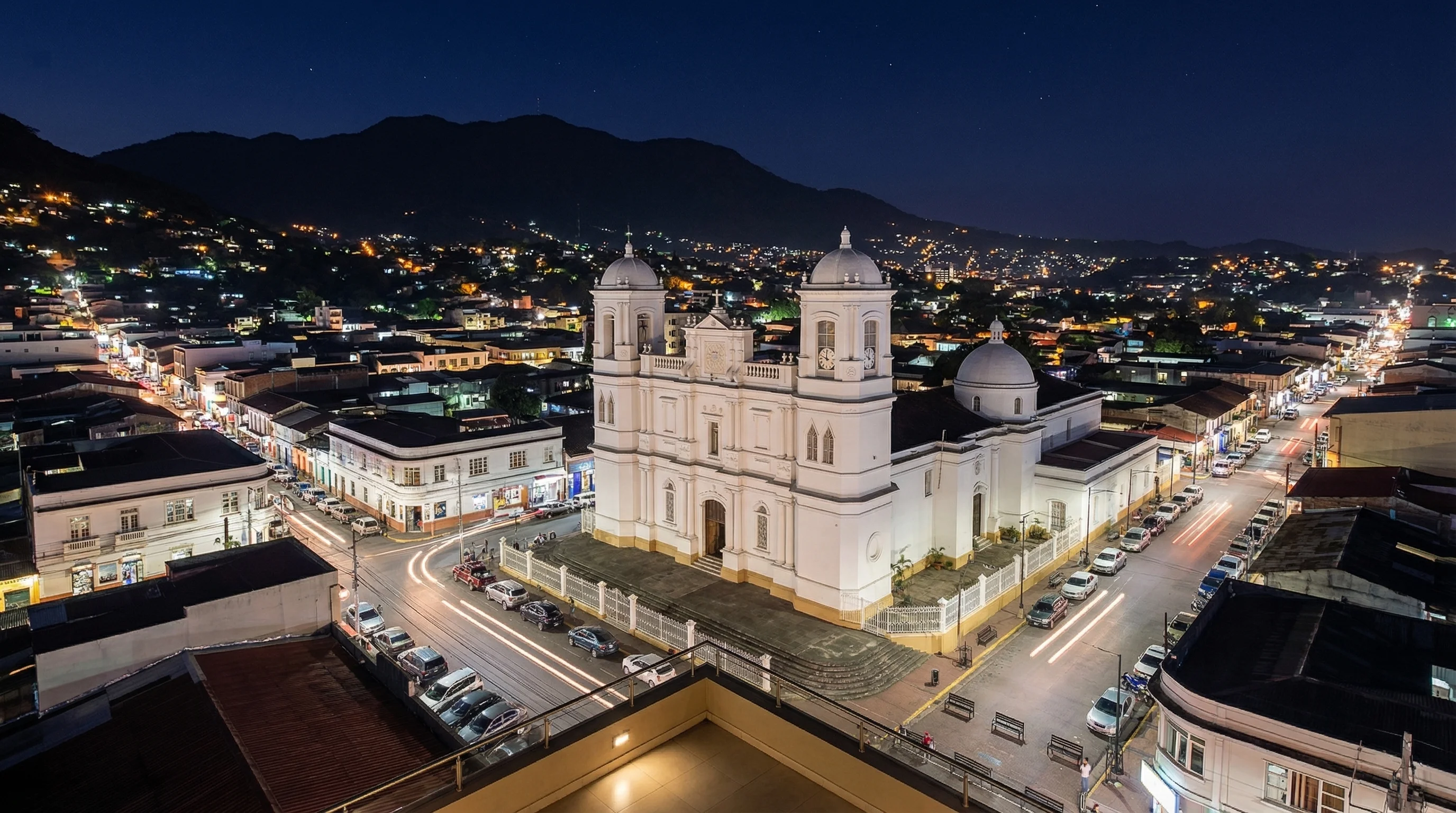
Matagalpa, located in central Nicaragua, serves as a strategic logistics center for the country's interior regions. The city's mountainous location provides access to agricultural regions and emerging industrial zones, making it an important distribution point for goods moving throughout Nicaragua and neighboring countries. Matagalpa's transportation infrastructure includes major highways connecting to Managua and other key cities, facilitating efficient distribution across the country.
The region's economy is characterized by agriculture, particularly coffee production, along with emerging manufacturing and processing industries. Matagalpa's strategic position in the central highlands makes it a crucial hub for agricultural exports and imports. The city's developing logistics infrastructure includes warehousing facilities and transportation services that support both local and international trade. Matagalpa's growing industrial sector requires reliable freight transportation solutions to connect with North American markets and maintain efficient supply chains.










