Tucson to La Ceiba
La Ceiba → TucsonFTL freight transportation service between Tucson and La Ceiba. Reliable logistics solutions for your business.
Route Description
Everything you need to know about the corridor Tucson - La Ceiba
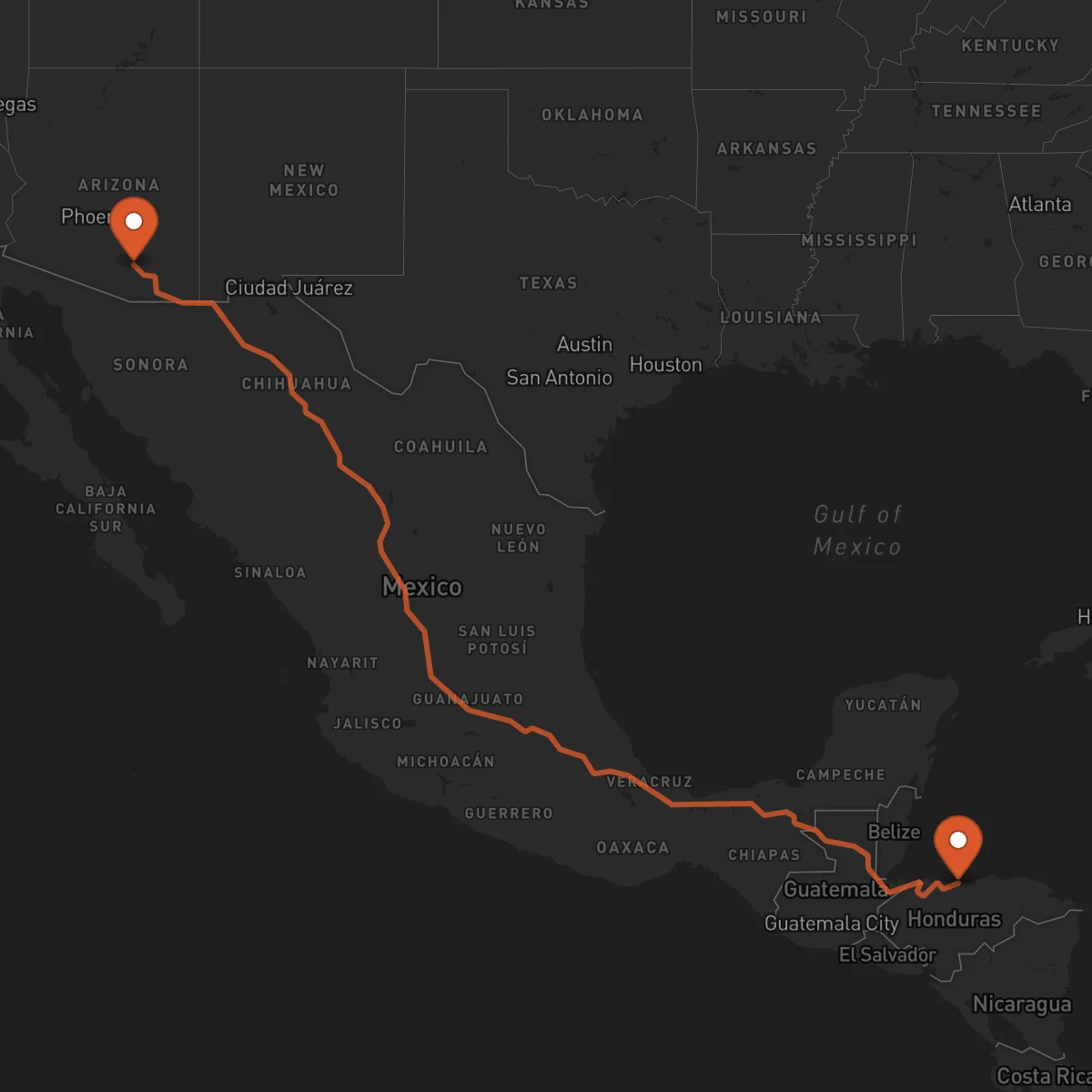
The Tucson-La Ceiba corridor represents a vital logistics connection between the United States and Central America, spanning approximately 3,051 kilometers through diverse terrain and multiple countries. This cross-border route serves as a critical supply chain link for companies operating in both North and Central American markets, facilitating the movement of goods from the southwestern United States to Honduras's Caribbean coast.
This corridor traverses through Arizona, New Mexico, Texas, and the Gulf states before crossing into Mexico and continuing through Veracruz, Oaxaca, Chiapas, and Guatemala, finally reaching Honduras. The route's strategic importance is amplified by its connection to major industrial centers, agricultural regions, and manufacturing hubs along the way. Companies utilizing this corridor benefit from access to both the U.S. Southwest's robust distribution networks and Central America's growing manufacturing and agricultural sectors.
Control Terrestre specializes in managing the complexities of this multi-country journey, ensuring seamless cross-border operations through our network of certified transportation providers. Our expertise in handling customs documentation, regulatory compliance, and secure cargo transfer across international boundaries makes us the ideal partner for companies requiring reliable FTL service on this demanding route.
Services for this Route
Available services for the corridor Tucson - La Ceiba
 Origin
Tucson
Tucson, Arizona serves as a strategic logistics hub in the southwestern United States, offering excellent connectivity to major transportation networks. Located just 60 miles from the U.S.-Mexico border, Tucson provides immediate access to cross-border operations and serves as a gateway to both Mexican and Central American markets. The city's logistics infrastructure includes multiple interstate highways, rail connections, and proximity to major ports of entry, making it an ideal origin point for cross-border freight movements.
The region's economy is diverse, with strong aerospace, defense, and technology sectors complemented by significant agricultural and mining activities. Tucson's industrial parks and warehousing facilities support a robust distribution network, while the city's transportation infrastructure includes Tucson International Airport and extensive highway systems connecting to major U.S. markets. This combination of strategic location, industrial diversity, and transportation accessibility makes Tucson an optimal starting point for freight shipments destined for Central America.
 Destination
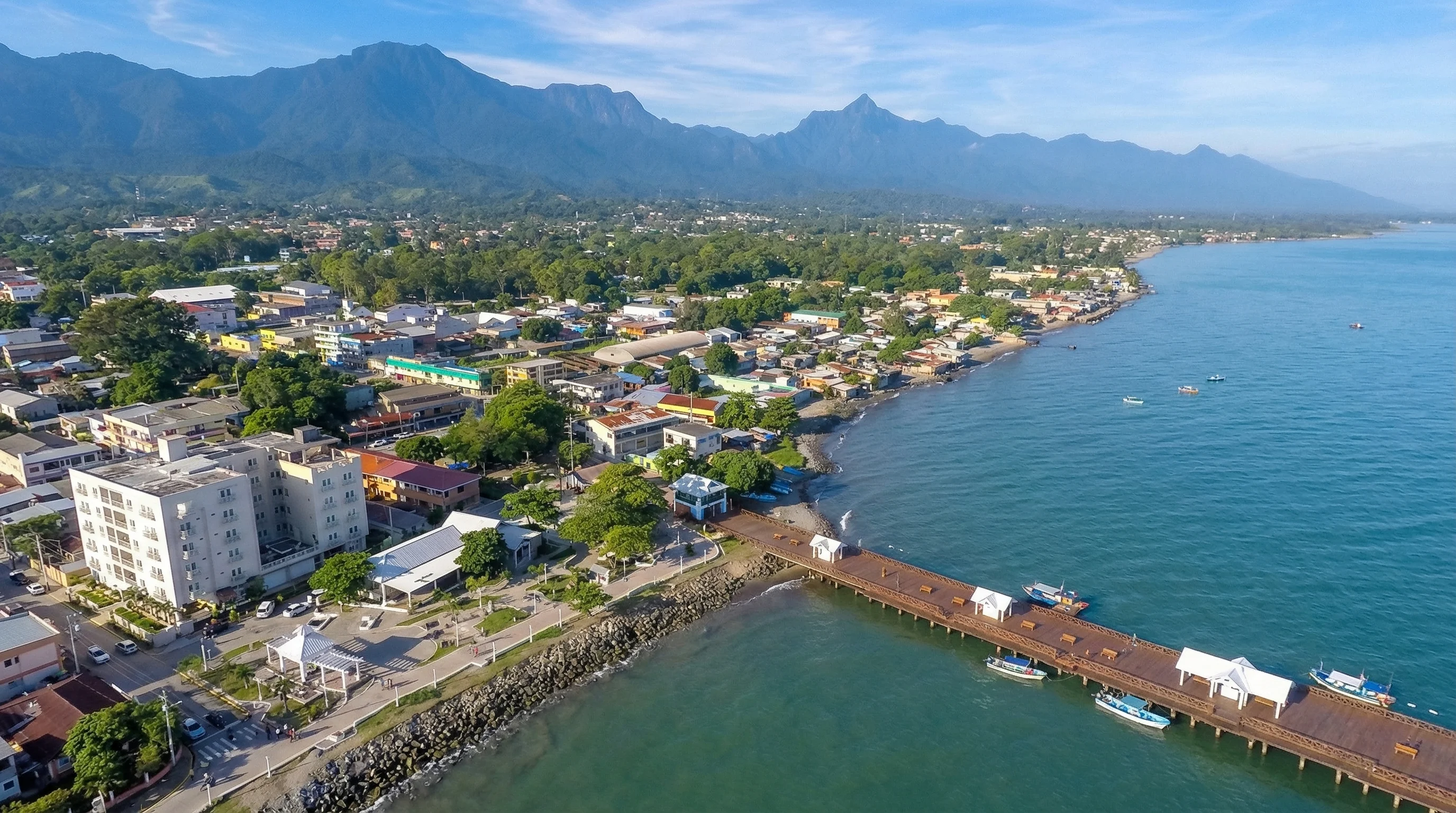
La Ceiba, located on Honduras's Caribbean coast, is a crucial logistics gateway for Central American commerce. As Honduras's third-largest city and primary Caribbean port, La Ceiba offers direct ocean access to major shipping routes, connecting Central American markets with global trade networks. The city's port facilities handle significant cargo volumes, serving as a vital entry point for imports and exports throughout the region.
The local economy benefits from strong agricultural, tourism, and manufacturing sectors, with La Ceiba serving as a distribution center for products throughout Honduras and neighboring countries. The city's transportation infrastructure includes road connections to the capital, Tegucigalpa, and other major Central American cities, as well as rail links to interior regions. La Ceiba's strategic coastal position and developed port facilities make it an essential destination for companies seeking to establish or maintain supply chain operations in Central America.










