Tucson to Cojutepeque
Cojutepeque → TucsonFTL freight transportation service between Tucson and Cojutepeque. Reliable logistics solutions for your business.
Route Description
Everything you need to know about the corridor Tucson - Cojutepeque
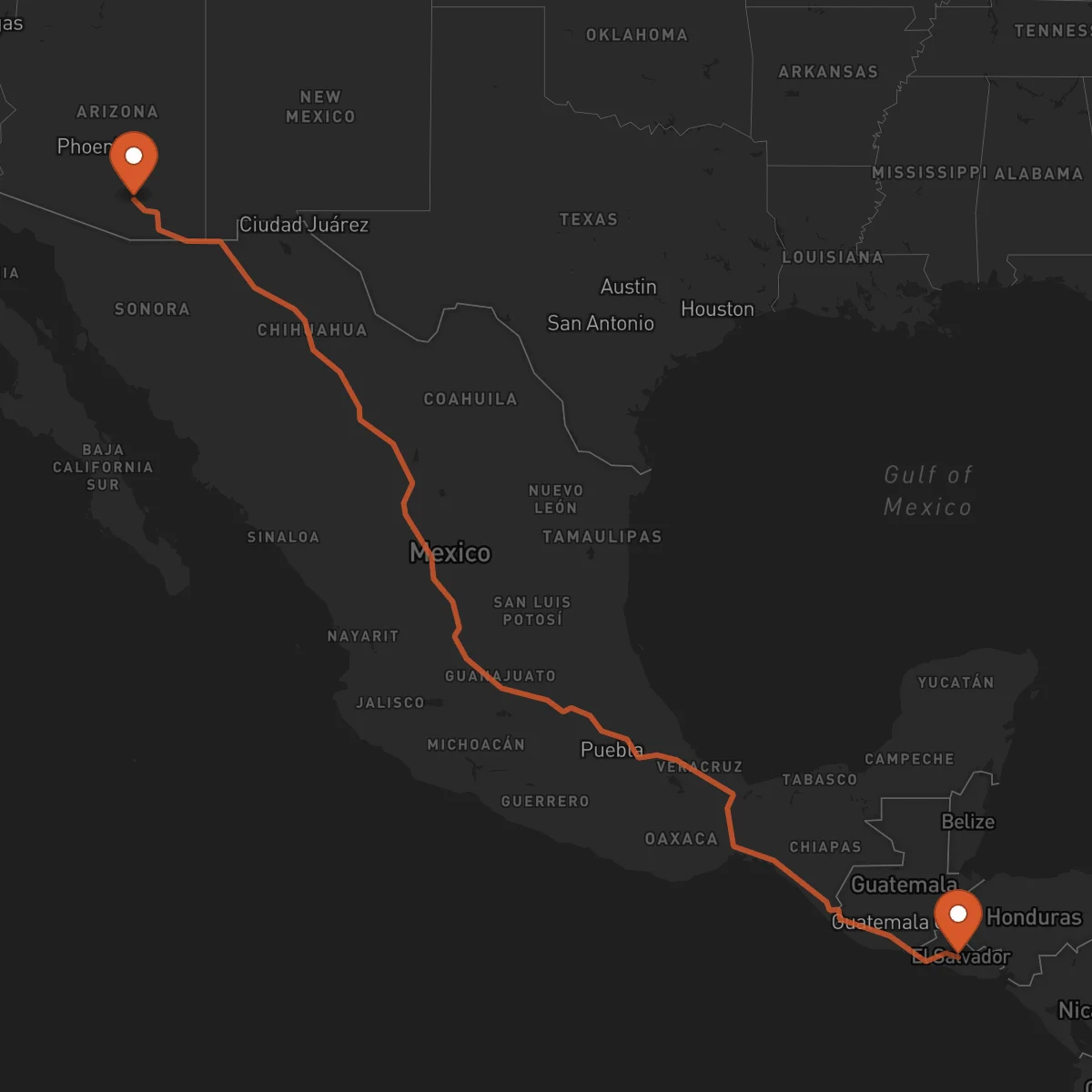
The Tucson-Cojutepeque logistics corridor represents a vital trade link between the United States and Central America, spanning approximately 3,043 kilometers through diverse terrains and multiple international borders. This corridor connects the industrial powerhouse of Arizona with El Salvador's growing manufacturing sector, facilitating the movement of goods that drive economic growth in both regions. The route traverses through key commercial hubs including Phoenix, Los Angeles, and Mexico City, before crossing into Guatemala and finally reaching El Salvador.
This corridor serves as a critical artery for industries such as automotive parts, electronics, textiles, and agricultural products. Major companies in Tucson's aerospace and defense sectors frequently utilize this route to supply manufacturing facilities in El Salvador, while Salvadoran producers export finished goods back to the U.S. market. The corridor's economic significance continues to grow as trade agreements strengthen ties between North and Central American economies.
Control Terrestre specializes in managing the complexities of this cross-border corridor, ensuring seamless transportation across multiple jurisdictions. Our experienced team navigates customs procedures at key crossings including Nogales, Ciudad Juárez, and El Salvador's borders, while our strategic partnerships with certified carriers guarantee reliable service. We provide end-to-end logistics solutions that minimize transit times and maximize cargo security, making us the trusted partner for companies operating along the Tucson-Cojutepeque route.
Services for this Route
Available services for the corridor Tucson - Cojutepeque
 Origin
Tucson
Tucson, Arizona serves as a strategic logistics hub in the southwestern United States, offering exceptional connectivity to major markets. The city's location provides direct access to Interstate 10, which connects to Los Angeles ports and the broader U.S. interstate network. Tucson's proximity to the U.S.-Mexico border (approximately 60 miles from Nogales) makes it an ideal gateway for cross-border operations. The region's robust infrastructure includes multiple rail connections, international airports, and modern warehousing facilities that support efficient freight movement.
 Destination
Cojutepeque
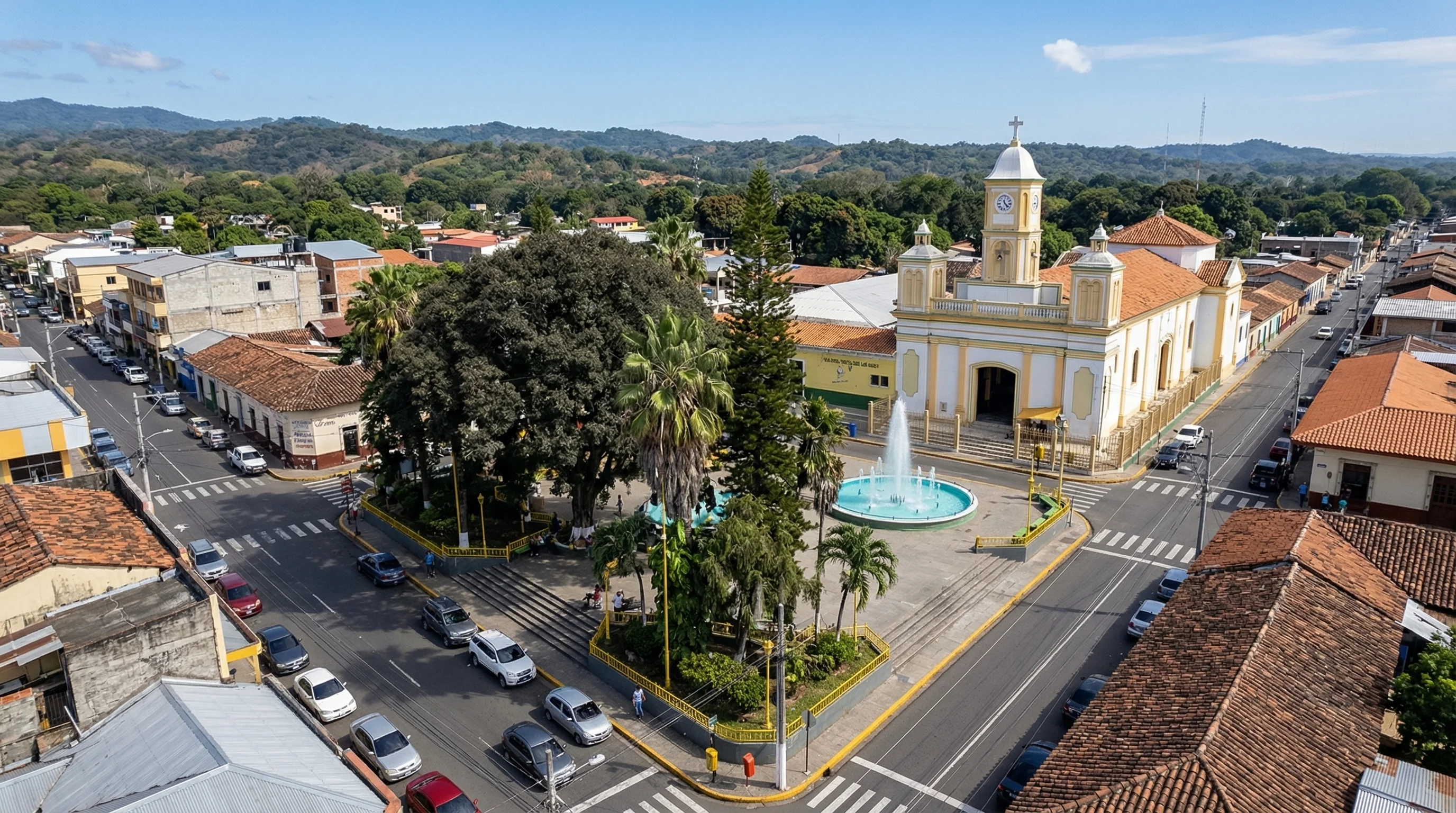
Cojutepeque, located in El Salvador's Cuscatlán department, represents a growing industrial center in Central America. The city's strategic position within El Salvador's transportation network provides access to major highways connecting to San Salvador and other key economic zones. Cojutepeque benefits from El Salvador's improving logistics infrastructure, including modernized ports at Acajutla and La Unión, which facilitate international trade. The region's developing industrial parks and manufacturing facilities make it an increasingly important destination for cross-border freight operations.










