Trujillo to Toluca
Toluca → TrujilloFTL freight transportation service between Trujillo and Toluca. Reliable logistics solutions for your business.
Route Description
Everything you need to know about the corridor Trujillo - Toluca
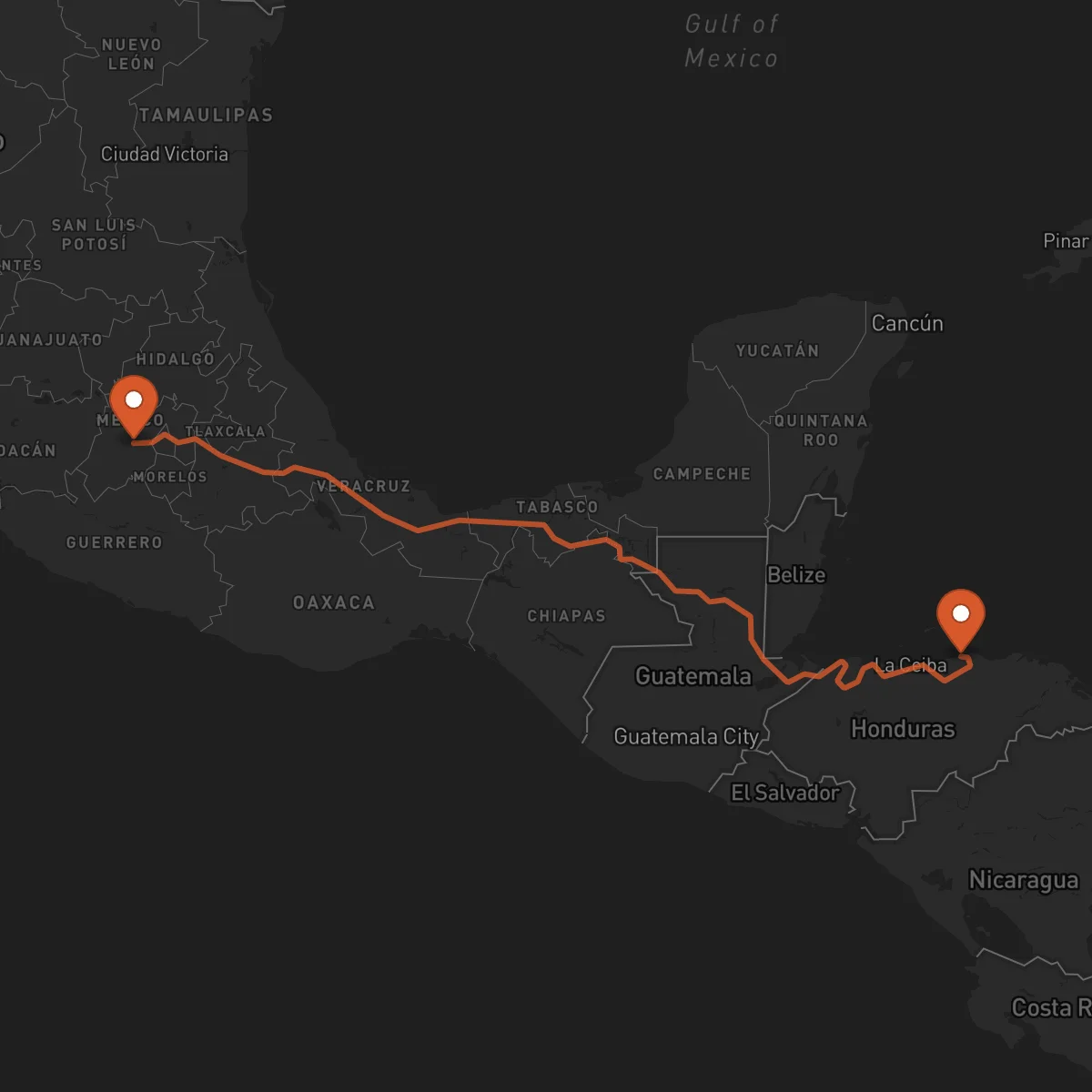
The Trujillo, Honduras to Toluca, Mexico corridor is a vital cross-border artery connecting Central America with one of Mexico's most significant industrial hubs. This approximately 1,499 km route is strategically critical for moving goods efficiently between the Caribbean coast and the high plains of the State of Mexico, serving as a key link in North American supply chains. The economic context is defined by the export of Honduran agricultural products, textiles, and manufactured goods northward, balanced by the flow of Mexican industrial components, machinery, and consumer products southward into Central America. Main industries leveraging this corridor include agriculture (bananas, coffee, palm oil), apparel manufacturing, and food processing in Honduras, and automotive, metal mechanics, food & beverage, and pharmaceuticals in Toluca's industrial corridor.
Transportation infrastructure primarily relies on Honduras' CA-5 highway, which connects Trujillo to the Agua Caliente border crossing with Guatemala. After crossing into Mexico via the Suchiate II bridge, the route continues on Mexican Federal Highway 190 and 190D, merging onto the Arco Norte (Mexican Federal Highway 15D) for the final leg into the Toluca valley. Key border considerations include customs clearance at Agua Caliente/Huehuetenango and the Mexican checkpoint at Ciudad Hidalgo/Tapachula. Our expertise in navigating C-TPAT and FAST certifications, alongside BASC standards, ensures streamlined clearance for our clients' cargo.
Control Terrestre facilitates seamless operations on this corridor through our dedicated alliance of certified carriers. We exclusively provide Full Truckload (FTL) solutions, offering dedicated equipment including 53' dry vans, reefers, and flatbeds for specialized cargo. Our services encompass door-to-door management, handling all cross-border documentation and customs coordination. By leveraging our network's deep experience with the specific regulatory and infrastructure nuances of this route, we provide our clients with a single, reliable point of contact to optimize their supply chain, ensuring cargo moves securely and efficiently from the port of Trujillo to the factories and distribution centers of Toluca.
Services for this Route
Available services for the corridor Trujillo - Toluca
 Origin
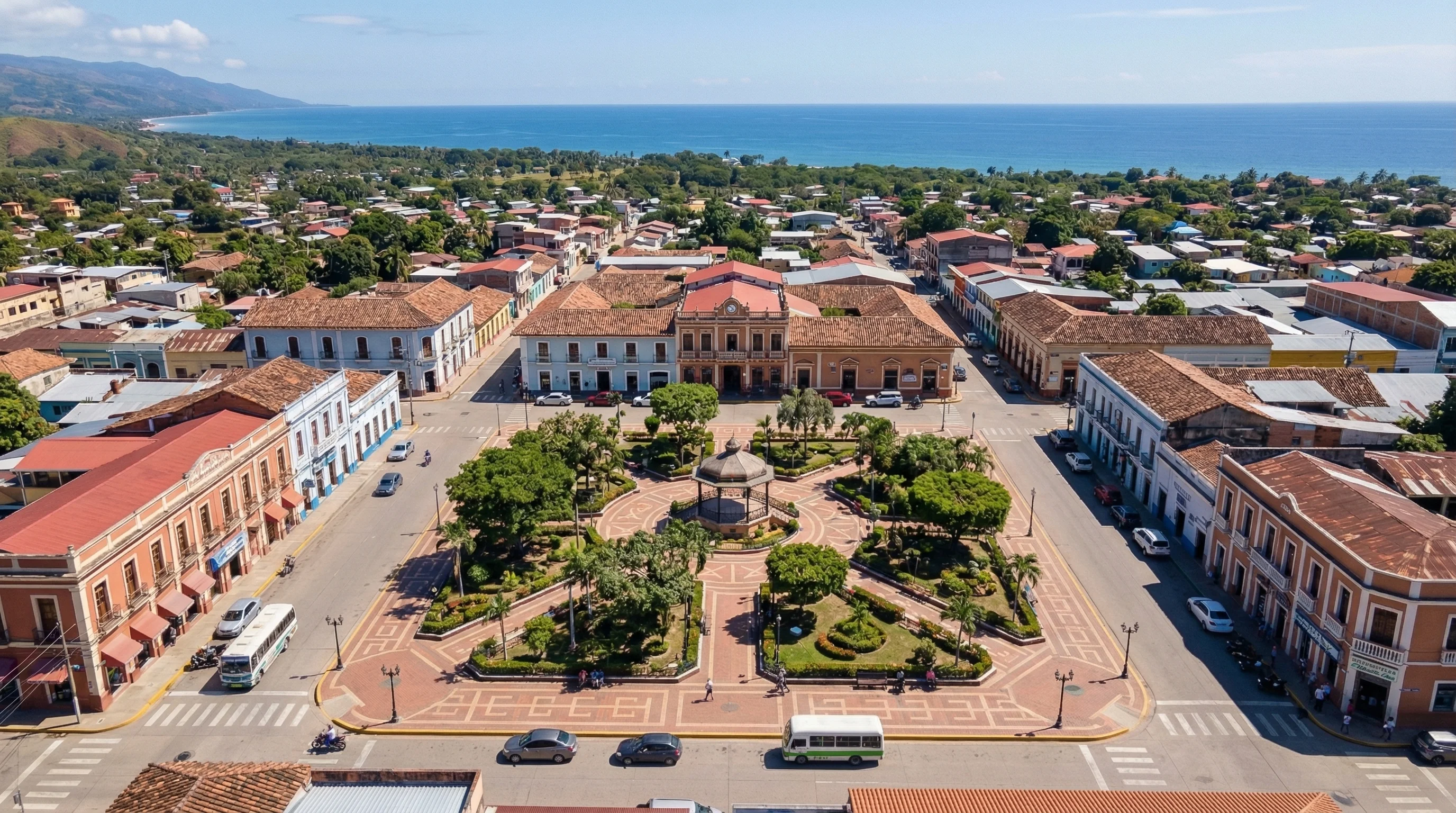
Trujillo, located on Honduras' Caribbean coast in the Colón department, serves as a pivotal Pacific and Caribbean gateway for Central American trade. Its strategic value is anchored by the nearby port of Puerto Cortés, one of the busiest in the region, which facilitates significant import and export volumes. The local and regional economy is heavily driven by agriculture, particularly banana and palm oil plantations, as well as by tourism and a growing manufacturing sector focused on textiles and apparel. The city is well-connected via the CA-5 highway, the main north-south artery of Honduras, which provides direct road access to the primary border crossing at Agua Caliente with Guatemala. This infrastructure positions Trujillo as a crucial logistics origin point for moving FTL cargo from the coast into the heart of the Central American isthmus and beyond into Mexico.
 Destination
Toluca
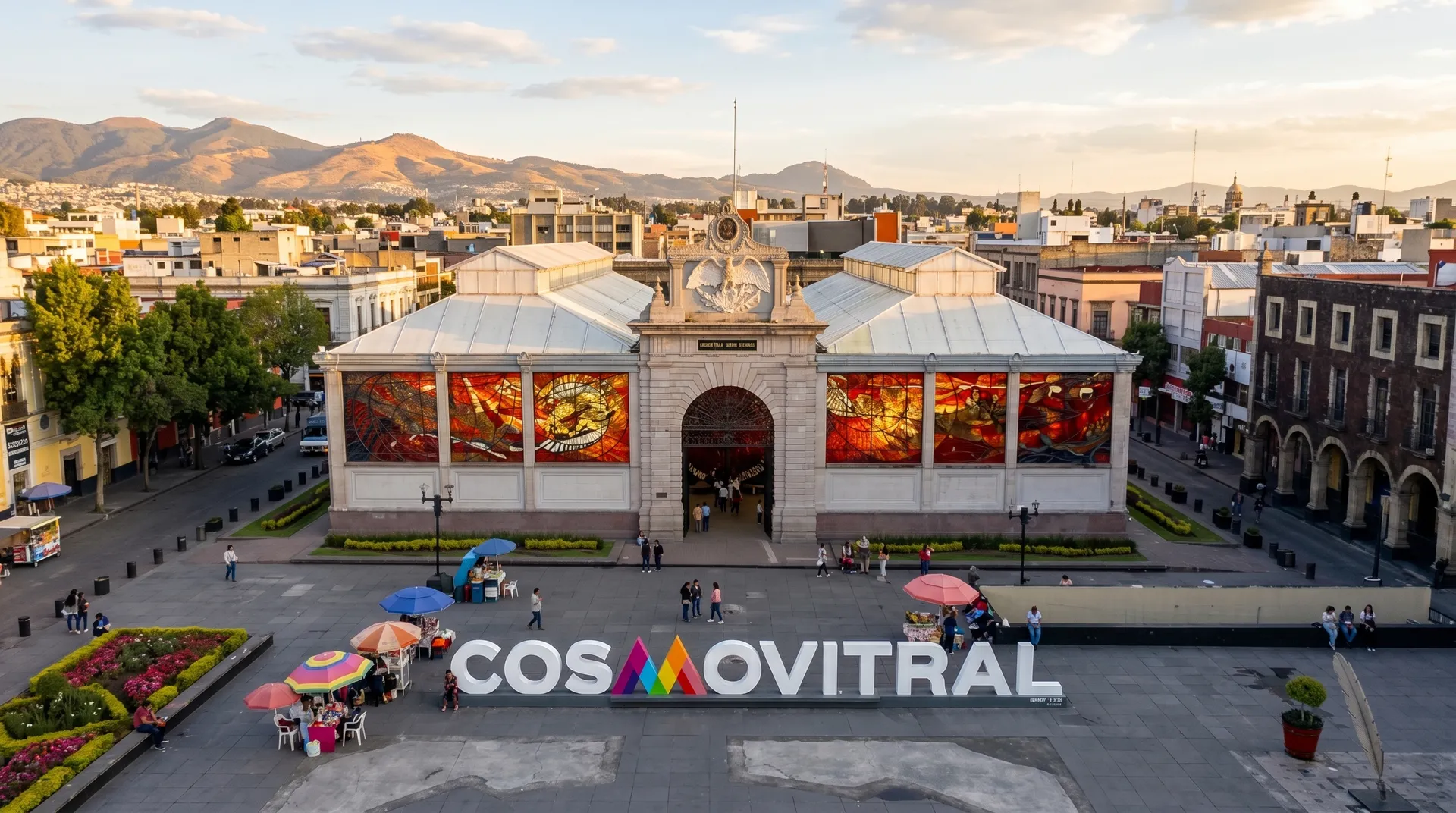
Toluca, the capital of the State of Mexico, is a major industrial and logistics powerhouse located just west of Mexico City. Its strategic location within the country's most populous and economically dynamic region makes it a critical destination for freight. The Toluca metropolitan area hosts one of Latin America's largest industrial corridors, with dominant sectors including automotive manufacturing (engines, parts), metal mechanics, food and beverage processing, and pharmaceuticals. The city is exceptionally well-connected by a robust transportation network, featuring direct access to the Arco Norte (Mexican Federal Highway 15D), which circles the Mexico City valley, and Federal Highway 55 leading to the port of Lázaro Cárdenas. This infrastructure supports high volumes of inbound raw materials and outbound finished goods, creating consistent demand for reliable FTL and dedicated truckload services into and out of its numerous industrial parks and manufacturing facilities.










