
Trujillo to Pierre
Pierre → TrujilloFTL freight transportation service between Trujillo and Pierre. Reliable logistics solutions for your business.
Route Description
Everything you need to know about the corridor Trujillo - Pierre
The Trujillo to Pierre corridor represents a vital cross-border logistics connection linking the Caribbean coast of Honduras with the central United States. This 3,441 km route traverses diverse terrains and crosses multiple international borders, making it a strategic artery for commerce between Central America and the American Midwest. The corridor facilitates the movement of goods from the Atlantic port of Trujillo through major Mexican transportation hubs before entering the United States through key border crossings.
The economic significance of this route extends beyond simple transportation, connecting manufacturing centers, agricultural regions, and industrial zones across three countries. Companies operating along this corridor benefit from access to both import and export markets, with the route serving as a critical link in the North American supply chain. The corridor's infrastructure includes major highways such as Mexico's Carretera Federal 45 and the United States' Interstate systems, providing reliable freight movement capabilities.
Control Terrestre specializes in managing the complexities of this cross-border corridor, offering full truckload (FTL) services that ensure cargo moves efficiently from origin to destination. Our expertise in customs documentation, border crossing procedures, and regulatory compliance streamlines the shipping process, reducing transit times and minimizing potential delays. We coordinate with trusted transportation partners throughout the route to maintain consistent service quality and cargo security, making us the ideal choice for companies requiring reliable freight transportation along this important international corridor.
Services for this Route
Available services for the corridor Trujillo - Pierre
 Origin
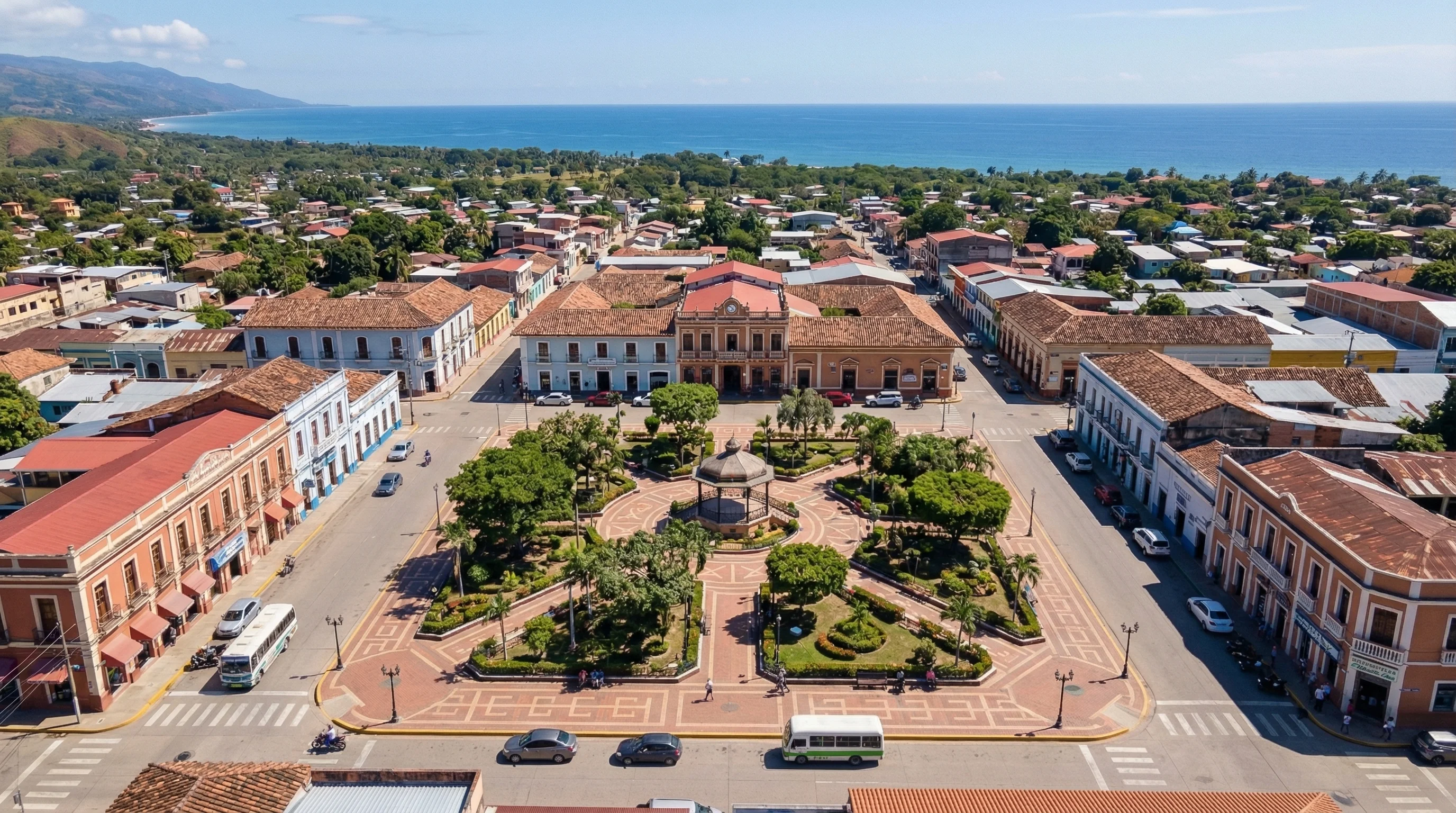
Trujillo, located on the northern Caribbean coast of Honduras, serves as a strategic gateway for international trade. As one of Honduras' main Atlantic ports, Trujillo provides direct access to maritime shipping routes connecting Central America with global markets. The city's port facilities handle a significant volume of cargo, particularly agricultural products, textiles, and manufactured goods destined for international distribution. Its coastal location makes it an ideal origin point for shipments requiring ocean freight integration with overland transportation.
The region surrounding Trujillo supports diverse economic activities including agriculture, fishing, and light manufacturing. Major industries in the area produce coffee, bananas, palm oil, and seafood products that frequently utilize the Trujillo to Pierre corridor for distribution to North American markets. The city's transportation infrastructure includes port facilities, highway connections to the Honduran interior, and access to the CA-13 highway, which links Trujillo to the broader Central American road network.
 Destination
Pierre
Pierre, the capital city of South Dakota, occupies a strategic position in the American Midwest along the Missouri River. While not a major metropolitan area, Pierre serves as an important distribution point for goods moving throughout the central United States. The city's location provides access to regional markets in South Dakota, North Dakota, Nebraska, and beyond, making it a valuable destination for freight shipments originating from Central America. Pierre's infrastructure includes connections to major U.S. highways and rail networks that facilitate distribution throughout the Midwest.
The local economy in Pierre and the surrounding region is characterized by government services, agriculture, healthcare, and retail distribution. The area's agricultural sector, including grain production and livestock operations, creates demand for various imported goods and equipment that may arrive via the Trujillo corridor. Additionally, the city's role as a state capital ensures consistent commercial activity and a steady need for freight services to support both government and private sector operations.










