Trenton to Cheyenne
Cheyenne → TrentonFTL freight transportation service between Trenton and Cheyenne. Reliable logistics solutions for your business.
Route Description
Everything you need to know about the corridor Trenton - Cheyenne
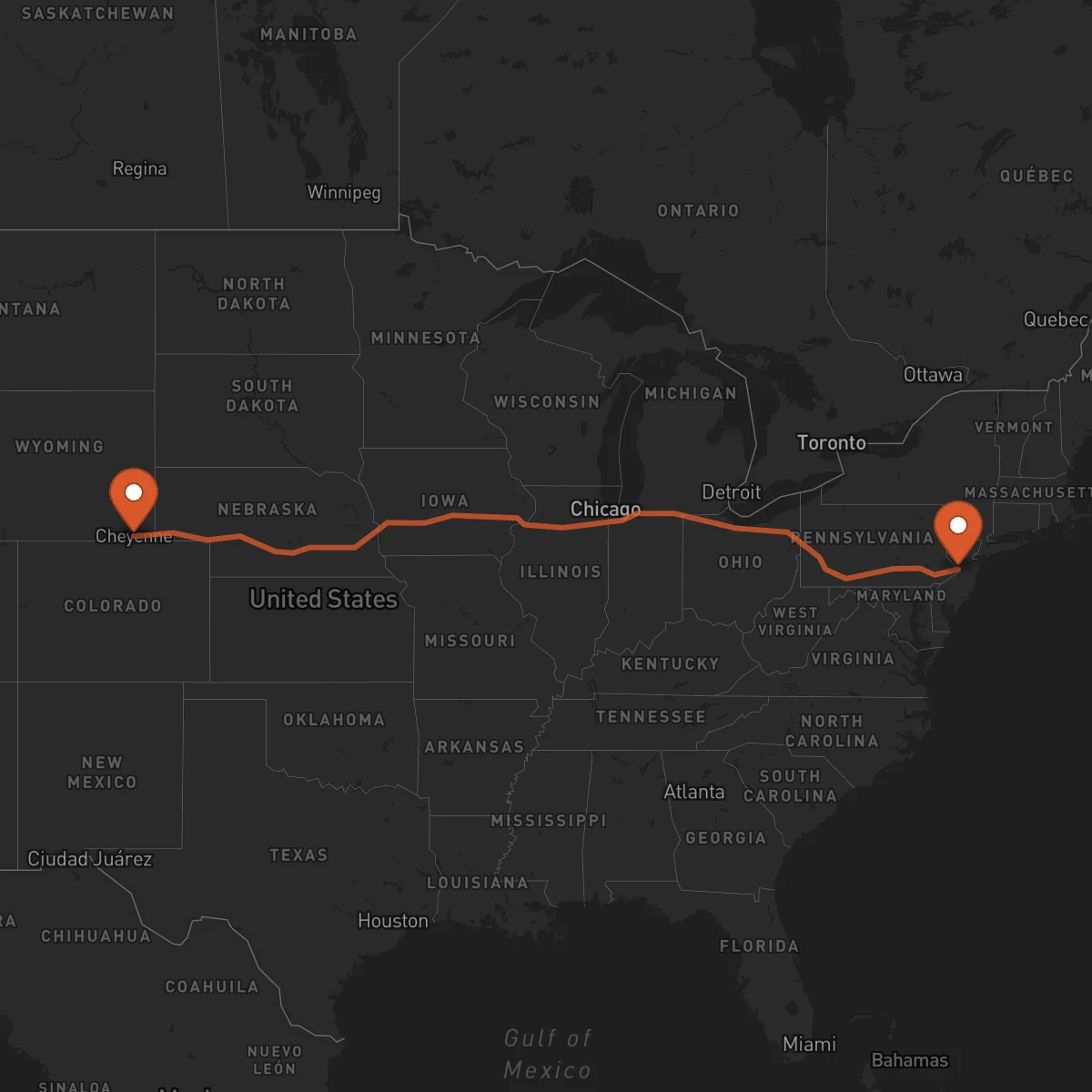
The freight transportation corridor between Trenton, New Jersey and Cheyenne, Wyoming represents a crucial connection across the eastern and central United States, spanning approximately 2,524 kilometers. This domestic route traverses diverse geographic and economic regions, linking the industrial Northeast with the energy-rich Mountain West. The corridor serves as a vital artery for moving goods between major economic centers, connecting manufacturing hubs, agricultural regions, and energy production areas that are essential to the American economy.
The route primarily follows major interstate highways including I-80, I-76, and I-295, providing reliable access through key states such as New Jersey, Pennsylvania, Ohio, Indiana, Illinois, Iowa, Nebraska, and Wyoming. This extensive network of well-maintained highways ensures consistent transit times and allows for efficient logistics operations. The corridor passes through numerous industrial zones, distribution centers, and transportation hubs that support the movement of diverse cargo types, from manufactured goods to raw materials and specialized freight.
Control Terrestre specializes in providing comprehensive FTL (Full Truckload) transportation services along this critical corridor. Our extensive network of certified carriers and strategic partnerships enables us to offer dedicated transportation solutions tailored to your specific cargo requirements. Whether you need standard dry van transport, refrigerated services for temperature-sensitive goods, or specialized equipment for oversized or hazardous materials, our team ensures your freight moves safely and efficiently from Trenton to Cheyenne and all points in between.
Services for this Route
Available services for the corridor Trenton - Cheyenne
 Origin
Trenton
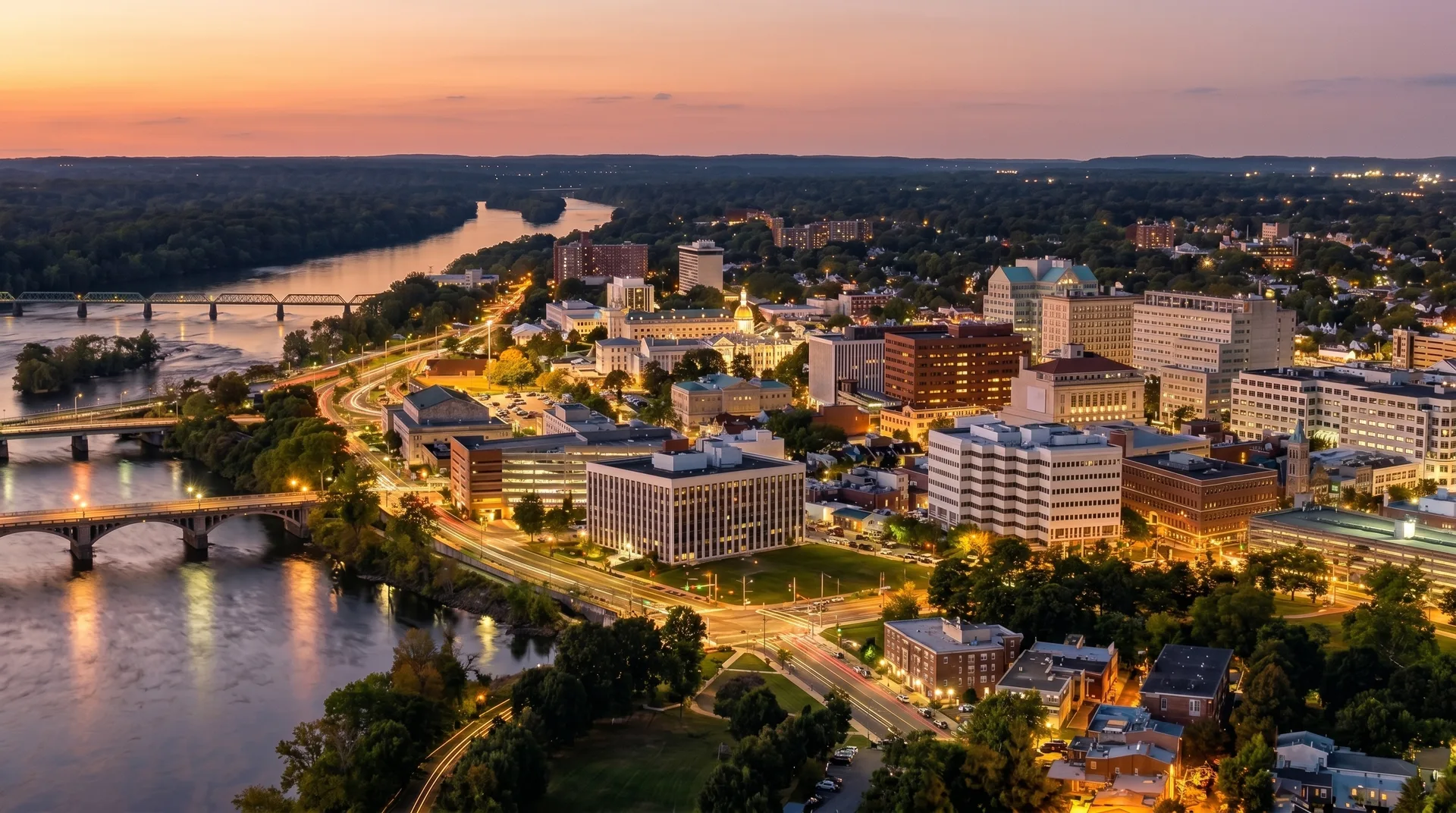
Trenton, New Jersey serves as a strategic gateway for logistics operations in the Northeast, positioned advantageously near major metropolitan areas including New York City and Philadelphia. The city benefits from excellent transportation infrastructure, including proximity to major interstate highways such as I-95, I-295, and the New Jersey Turnpike, providing seamless connections to regional and national freight networks. Trenton's location within the Northeast megalopolis offers access to one of the most densely populated and economically active regions in the United States, making it an ideal origin point for freight distribution.
The economic landscape of Trenton and the surrounding area encompasses diverse industries including manufacturing, healthcare, education, and government services. The region hosts numerous distribution centers and warehouses that support the movement of consumer goods, industrial equipment, and specialized products. Trenton's transportation infrastructure includes the nearby Philadelphia International Airport for air cargo connections, the Port of Philadelphia for maritime freight, and extensive rail networks operated by major carriers, providing multimodal transportation options for businesses requiring comprehensive logistics solutions.
 Destination
Cheyenne
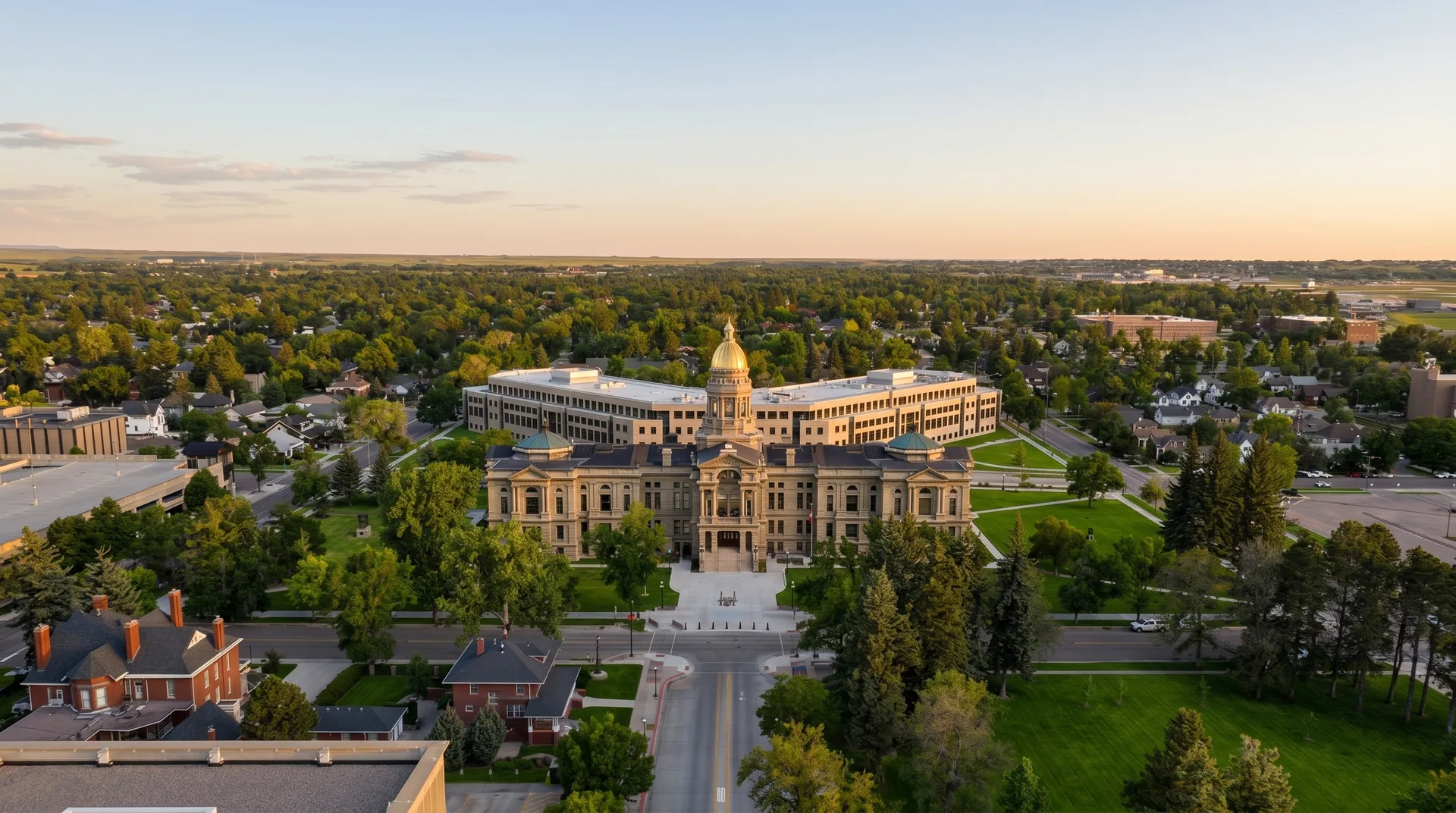
Cheyenne, Wyoming stands as a strategic logistics hub in the Mountain West, offering unique advantages for freight transportation and distribution. The city's location at the intersection of major transportation routes, including I-80 and I-25, provides direct access to both east-west and north-south freight corridors. Cheyenne's position near the Colorado border and its proximity to Denver enhance its connectivity to regional markets, while its elevation and geographic location make it a critical waypoint for freight moving across the Rocky Mountain region.
The economy of Cheyenne and surrounding Wyoming areas is heavily influenced by energy production, including oil, natural gas, and coal mining operations. The region also supports significant agricultural activities, particularly cattle ranching and farming, which generate substantial freight volumes for transportation. Cheyenne's industrial base includes manufacturing facilities, warehousing operations, and distribution centers that serve both local and national markets. The city's transportation infrastructure features the Cheyenne Regional Airport for air cargo, extensive rail connections through Union Pacific's network, and modern highway systems that facilitate efficient freight movement throughout the western United States.










