
Topeka to San Marcos
San Marcos → TopekaFTL freight transportation service between Topeka and San Marcos. Reliable logistics solutions for your business.
Route Description
Everything you need to know about the corridor Topeka - San Marcos
The logistics corridor between Topeka, Kansas and San Marcos, Guatemala represents a vital cross-border connection spanning approximately 2,705 kilometers through the heart of North America. This route traverses multiple countries and serves as a critical artery for international trade, connecting the industrial Midwest of the United States with the growing markets of Central America. The corridor passes through key transportation hubs and industrial centers, facilitating the movement of diverse cargo types across international borders.
The economic significance of this corridor cannot be overstated, as it links major manufacturing and agricultural regions with emerging markets in Central America. Along this route, shippers can access a network of established transportation infrastructure, including major interstate highways in the United States and well-maintained road systems in Mexico and Guatemala. The corridor benefits from multiple border crossing options, with efficient customs processing at key points, particularly at the Mexico-Guatemala border.
Control Terrestre specializes in managing the complexities of this cross-border operation, providing seamless door-to-door service from Topeka to San Marcos. Our experienced team handles all aspects of international shipping, including customs documentation, compliance with cross-border regulations, and coordination with trusted carriers throughout the journey. We understand the unique challenges of this route and offer dedicated full truckload (FTL) services to ensure your cargo moves efficiently and securely across all jurisdictions.
Services for this Route
Available services for the corridor Topeka - San Marcos
 Origin
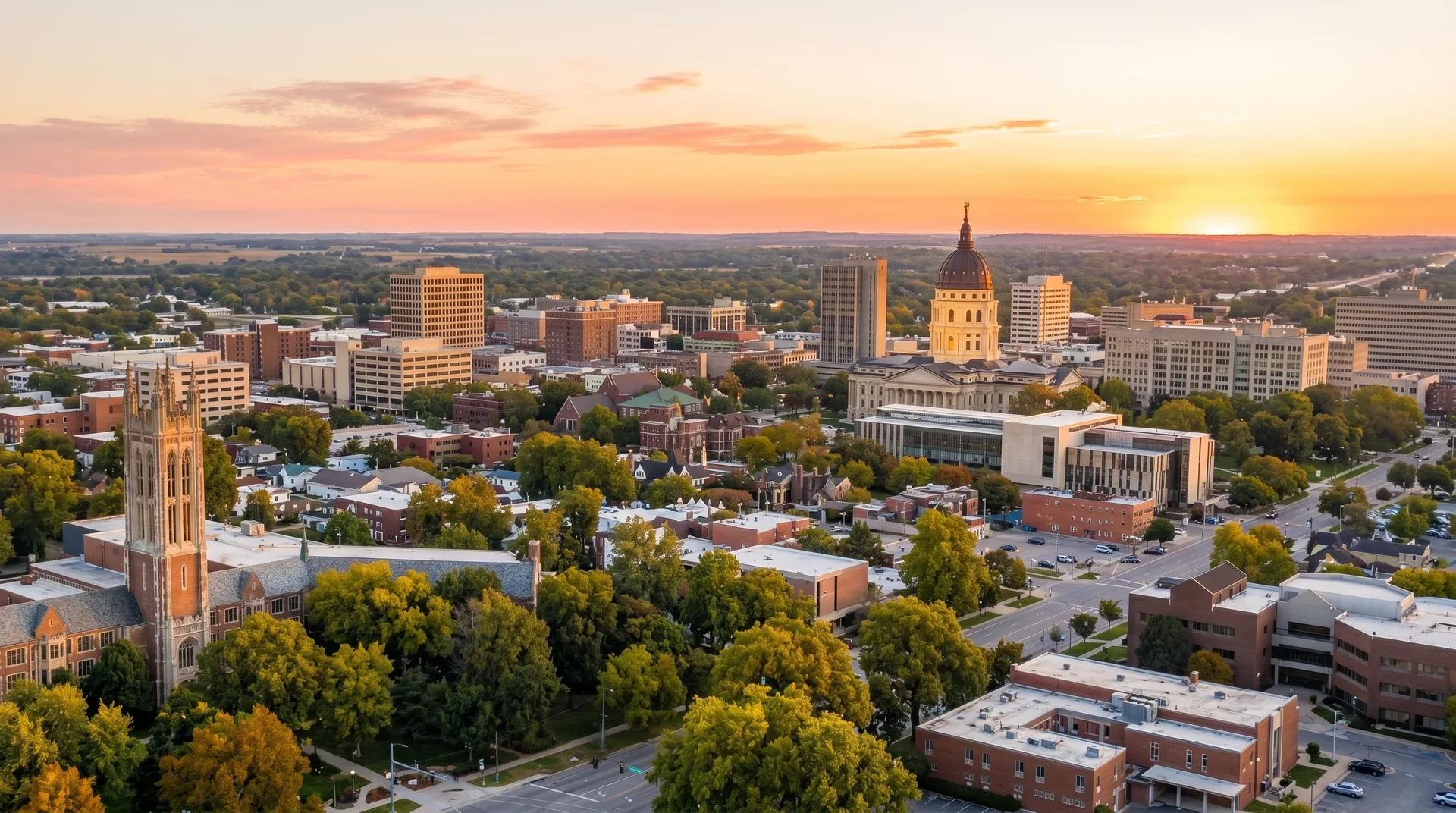
Topeka
Topeka, Kansas serves as a strategic logistics hub in the American Midwest, offering excellent connectivity to major transportation networks. Located along the I-70 corridor, Topeka provides direct access to both east-west and north-south freight movements across the central United States. The city's central geographic position makes it an ideal origin point for cross-country and international shipments, with proximity to major rail terminals and distribution centers that enhance multimodal transportation options.
The economic landscape of Topeka is diverse, with strong manufacturing, agricultural, and food processing sectors driving freight demand. The region is home to numerous food production facilities, machinery manufacturers, and agricultural equipment suppliers that require reliable transportation solutions. Additionally, Topeka's location near major agricultural production areas creates consistent demand for shipping grain, livestock products, and other agricultural commodities, making it a key origin point for various types of freight moving both domestically and internationally.
 Destination
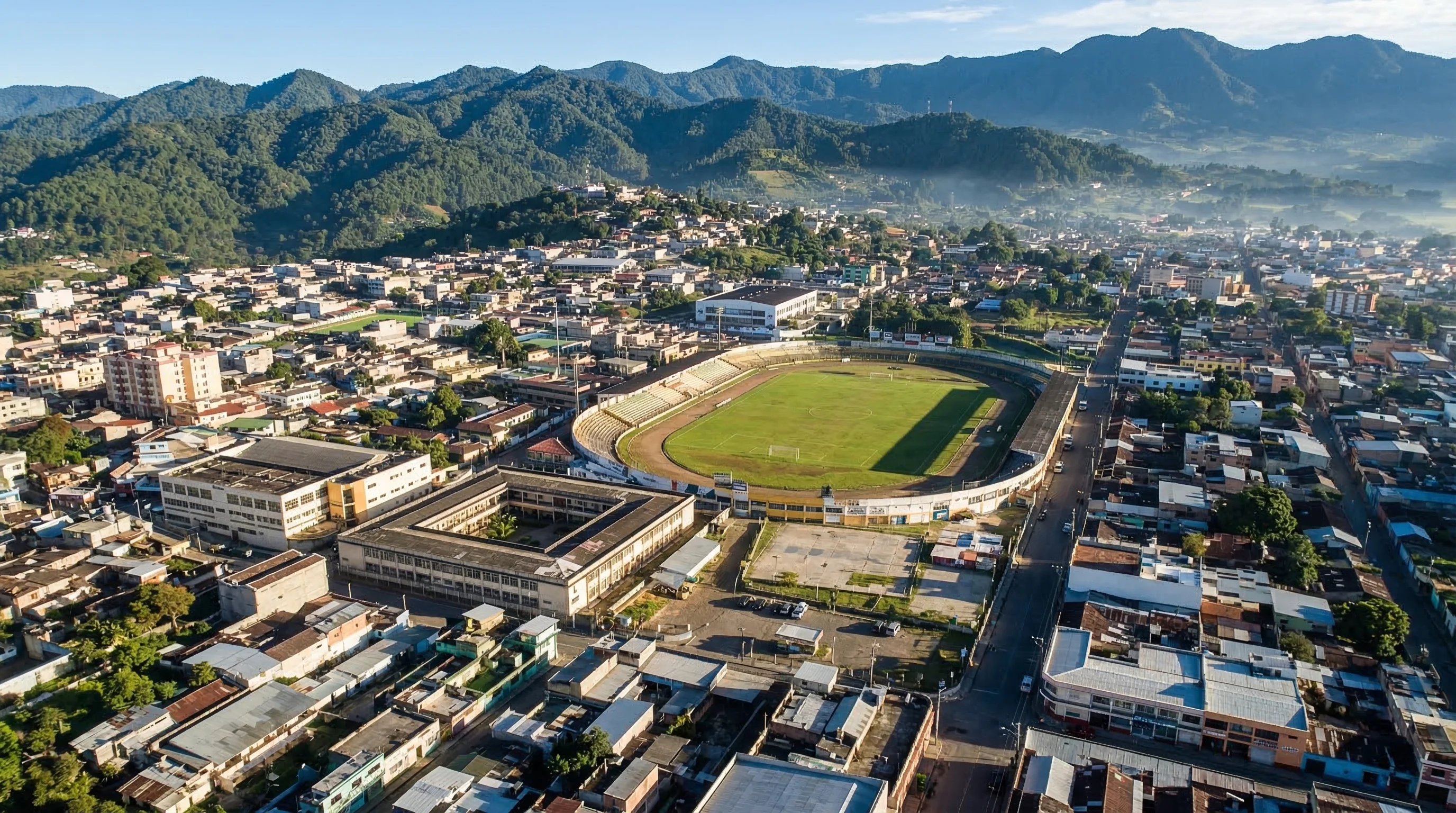
San Marcos
San Marcos, Guatemala represents a strategic gateway to Central America, situated in the western highlands near the Mexican border. This location provides excellent access to both domestic Guatemalan markets and cross-border trade with Mexico, making it an important logistics hub for the region. The city's proximity to major transportation routes and its position as a commercial center in Guatemala's western region create significant opportunities for freight distribution throughout Central America.
The economic profile of San Marcos includes strong agricultural, textile, and manufacturing sectors that drive consistent freight demand. The region is known for its coffee production, vegetable farming, and growing industrial base, all of which require reliable transportation services. San Marcos also serves as a distribution point for goods moving deeper into Guatemala and neighboring countries, with its infrastructure supporting both domestic distribution and international trade flows. The area's developing logistics infrastructure continues to improve, enhancing its capacity to handle increasing freight volumes from North American origins.










