
Topeka to Managua
Managua → TopekaFTL freight transportation service between Topeka and Managua. Reliable logistics solutions for your business.
Route Description
Everything you need to know about the corridor Topeka - Managua
The Topeka-Managua corridor represents a strategic logistics route connecting the industrial heartland of the United States with the economic center of Nicaragua. This cross-border corridor spans approximately 3,136 kilometers, facilitating the movement of goods between North and Central America. The route traverses diverse landscapes and crosses multiple international borders, requiring expert coordination and specialized knowledge of customs procedures and regulations.
The economic significance of this corridor lies in its ability to connect major manufacturing hubs in Kansas with Nicaragua's growing industrial sector. This route serves as a vital link for companies engaged in international trade, enabling efficient supply chain management across multiple countries. The corridor's development has been driven by increasing trade volumes and the need for reliable transportation solutions between the United States and Central American markets.
Key industries utilizing this corridor include automotive parts manufacturing, agricultural products, electronics, and consumer goods. The route primarily follows major highway networks, including Interstate highways in the United States and key arterial roads through Mexico and Central America. Critical border crossings at Laredo and other points require specialized handling to ensure smooth transit of goods. Control Terrestre provides comprehensive cross-border expertise, managing all aspects of the journey from origin to destination, including customs clearance, documentation, and regulatory compliance.
Services for this Route
Available services for the corridor Topeka - Managua
 Origin
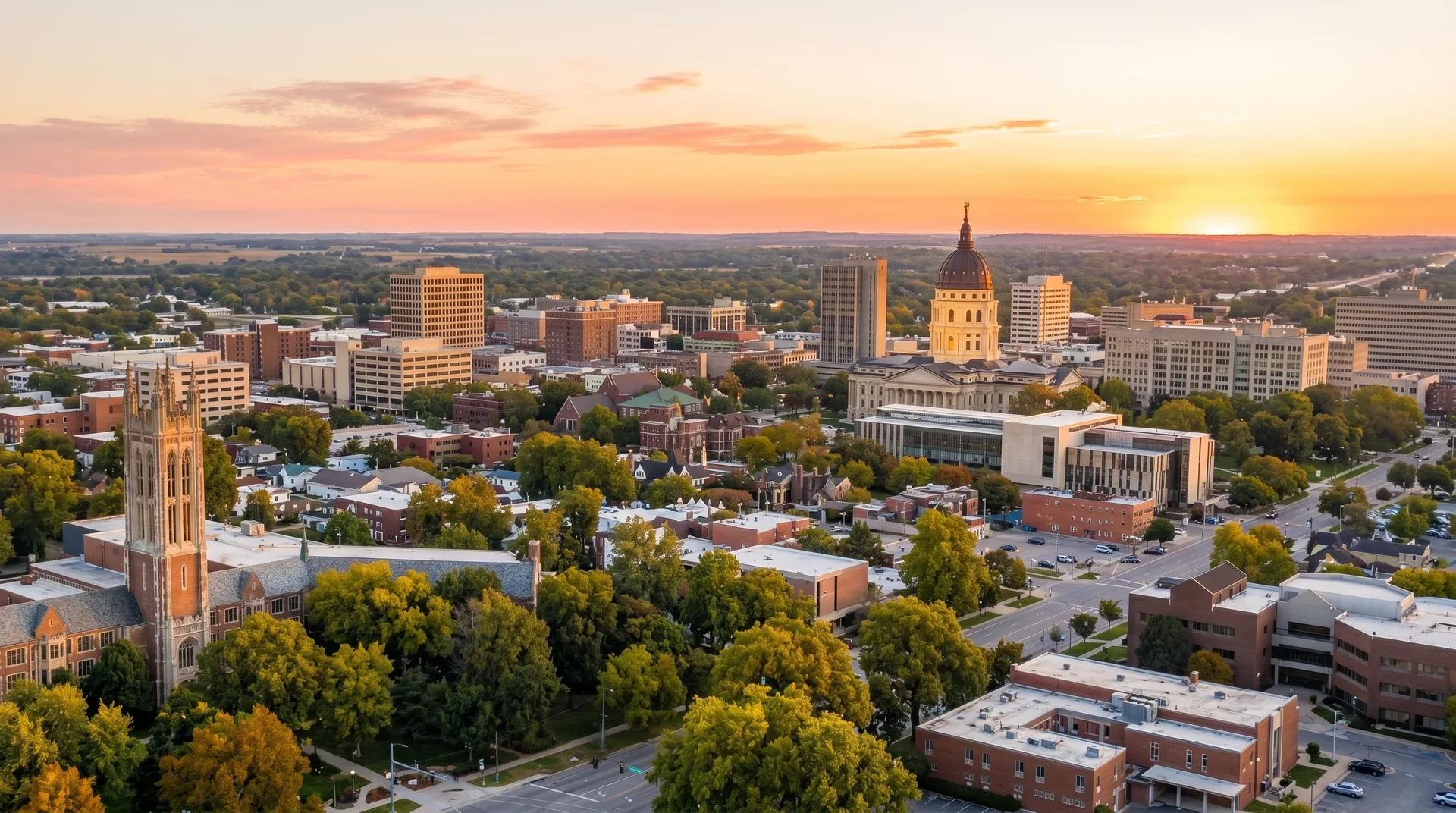
Topeka
Topeka, Kansas serves as a strategic logistics hub in the American Midwest, offering excellent connectivity to major transportation networks. Located in the heart of the United States, Topeka provides convenient access to Interstate highways and rail connections, making it an ideal origin point for cross-border freight movements. The city's central location minimizes transit times to both coasts and southern border crossings.
The region's economy is diverse, with strong presence in manufacturing, agriculture, and technology sectors. Major industries include food processing, machinery manufacturing, and agricultural equipment production. Topeka's industrial base creates consistent demand for reliable freight transportation services, particularly for time-sensitive and high-value shipments. The city's infrastructure includes modern warehousing facilities, intermodal terminals, and a skilled logistics workforce, supporting efficient cargo handling and distribution operations.
 Destination
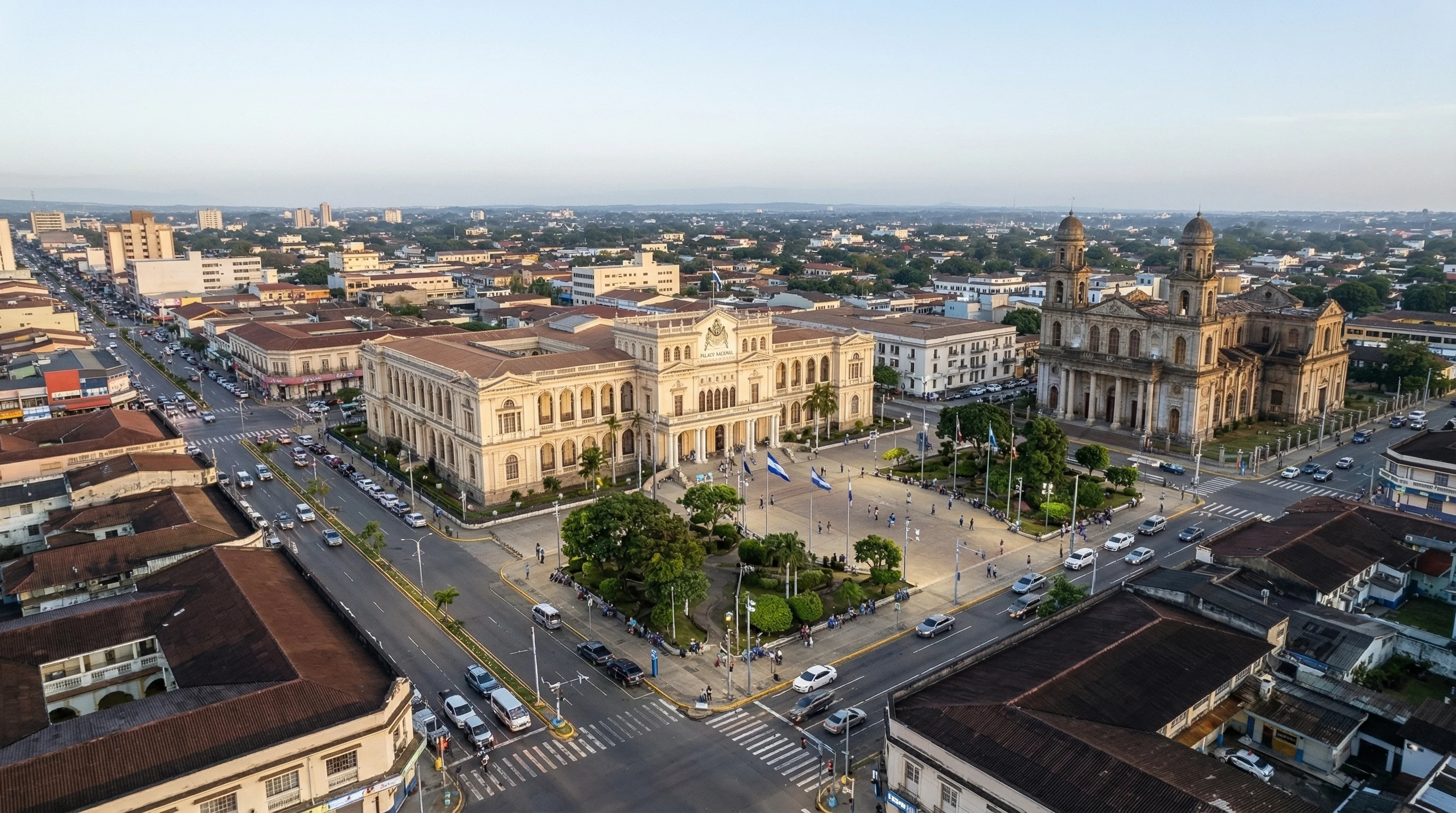
Managua, as the capital and largest city of Nicaragua, represents the primary economic and industrial center of the country. Its strategic location in the Pacific lowlands provides access to both Pacific and Caribbean trade routes, making it a crucial gateway for Central American commerce. The city's infrastructure includes the Augusto C. Sandino International Airport and well-developed road networks connecting to neighboring countries.
The Nicaraguan economy in Managua is characterized by diverse manufacturing sectors, including textiles, electronics assembly, and food processing. The city serves as a major distribution center for both domestic consumption and export markets. Managua's industrial parks and free trade zones attract international investment and create significant demand for cross-border freight services. The region's growing economy and strategic location make it an increasingly important destination for international logistics operations, requiring specialized knowledge of local regulations and customs procedures.










