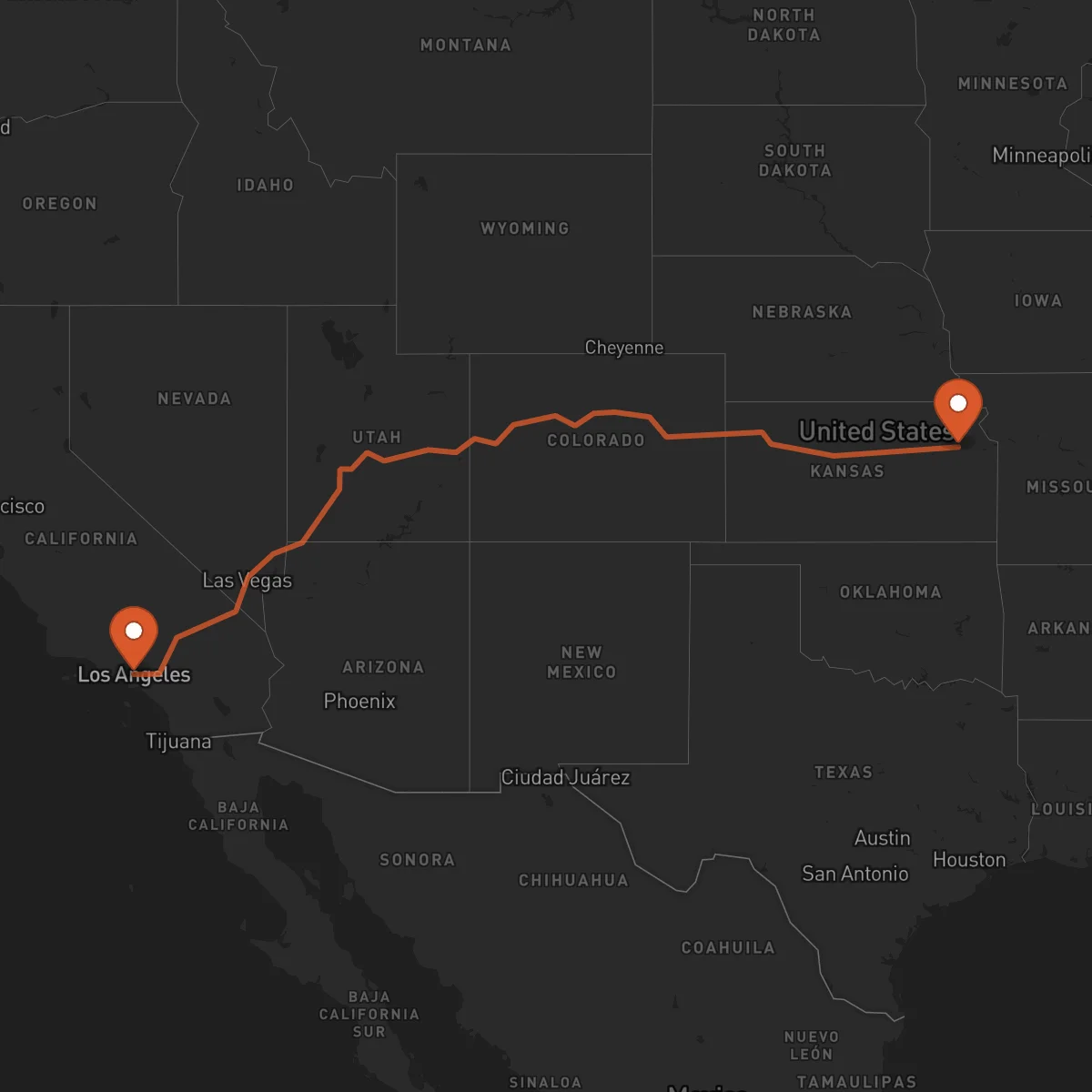
Topeka to Los Angeles
Los Angeles → TopekaFTL freight transportation service between Topeka and Los Angeles. Reliable logistics solutions for your business.
Route Description
Everything you need to know about the corridor Topeka - Los Angeles
The logistics corridor connecting Topeka, Kansas, to Los Angeles, California, spans approximately 2,085 kilometers and represents a vital transportation route for businesses across the United States. This east-west corridor traverses the heart of the country, linking the industrial Midwest with the Pacific Coast's major port and distribution hub. The route serves as a critical supply chain artery, facilitating the movement of goods between manufacturing centers, agricultural regions, and international trade gateways.
The corridor's strategic importance stems from its connection between two distinct economic regions. Topeka serves as a key distribution point for the central United States, while Los Angeles functions as the nation's largest port complex and a major consumer market. This route supports numerous industries including automotive, technology, agriculture, retail, and manufacturing. The journey crosses multiple states and connects to various economic corridors, making it essential for businesses requiring reliable transportation between the Midwest and West Coast.
Control Terrestre specializes in optimizing operations along this corridor through our network of certified transportation providers. We offer dedicated full truckload (FTL) services that ensure your cargo moves efficiently and securely from origin to destination. Our providers maintain all necessary certifications including C-TPAT and FAST, ensuring compliance with all regulatory requirements while providing real-time tracking and dedicated support throughout the journey.
Services for this Route
Available services for the corridor Topeka - Los Angeles
 Origin
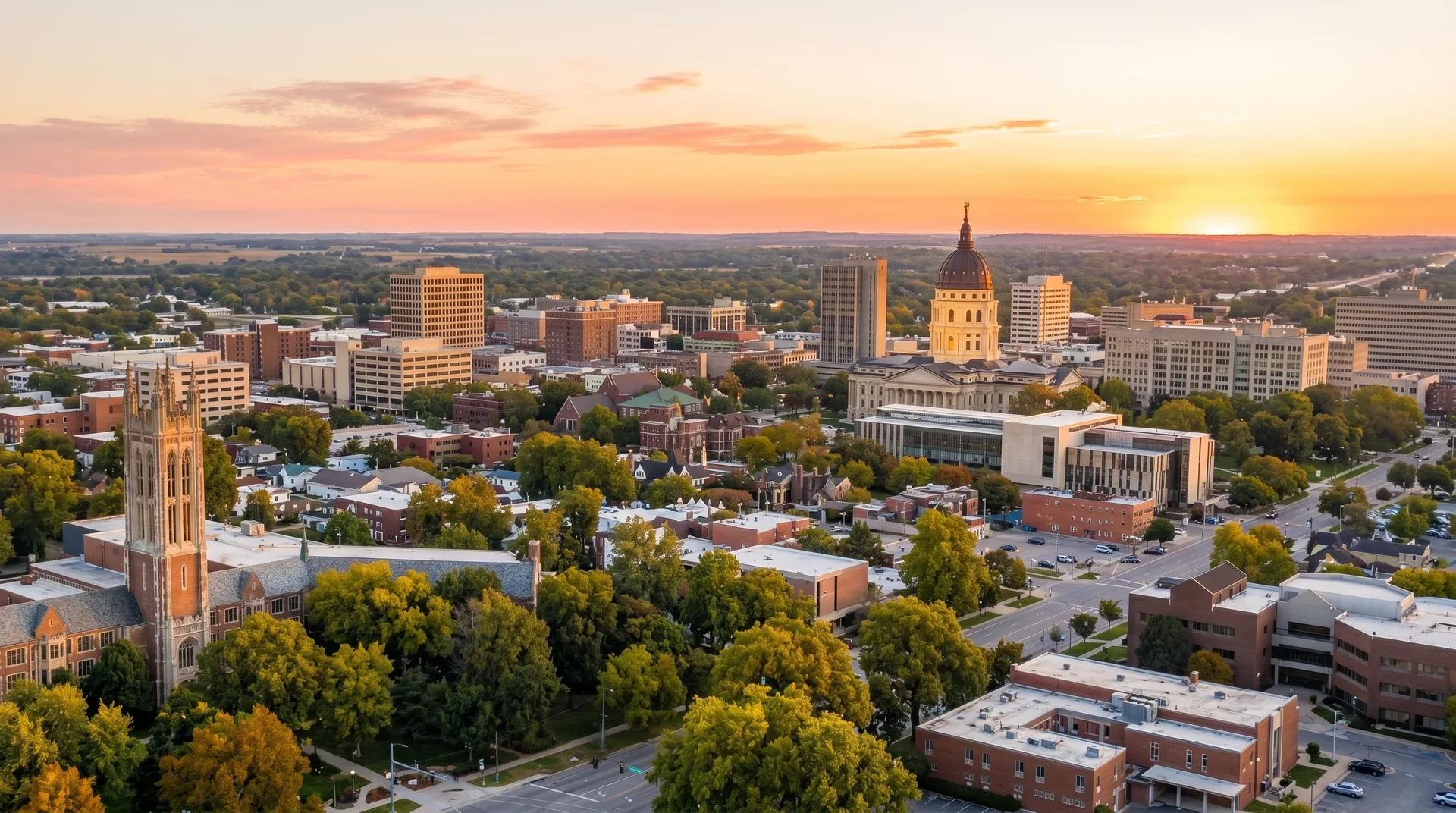
Topeka
Topeka, Kansas, serves as a strategic logistics hub in the central United States, offering excellent connectivity to major transportation networks. Located in the heart of the Midwest, Topeka provides access to extensive rail networks, major highways including I-70, and proximity to other key distribution centers. The city's central location makes it an ideal origin point for shipments destined for both coasts and the southern United States. Topeka's logistics infrastructure includes modern warehousing facilities, cross-docking operations, and intermodal terminals that facilitate efficient freight movement.
The city's economy is diverse, with strong presence in manufacturing, healthcare, education, and government sectors. Topeka hosts numerous distribution centers for retail and industrial companies, taking advantage of its central geographic position. The region's agricultural heritage also contributes to freight volumes, with food processing and agricultural equipment manufacturing representing significant economic activities. These industries create consistent demand for reliable transportation services to major markets across the country.
 Destination
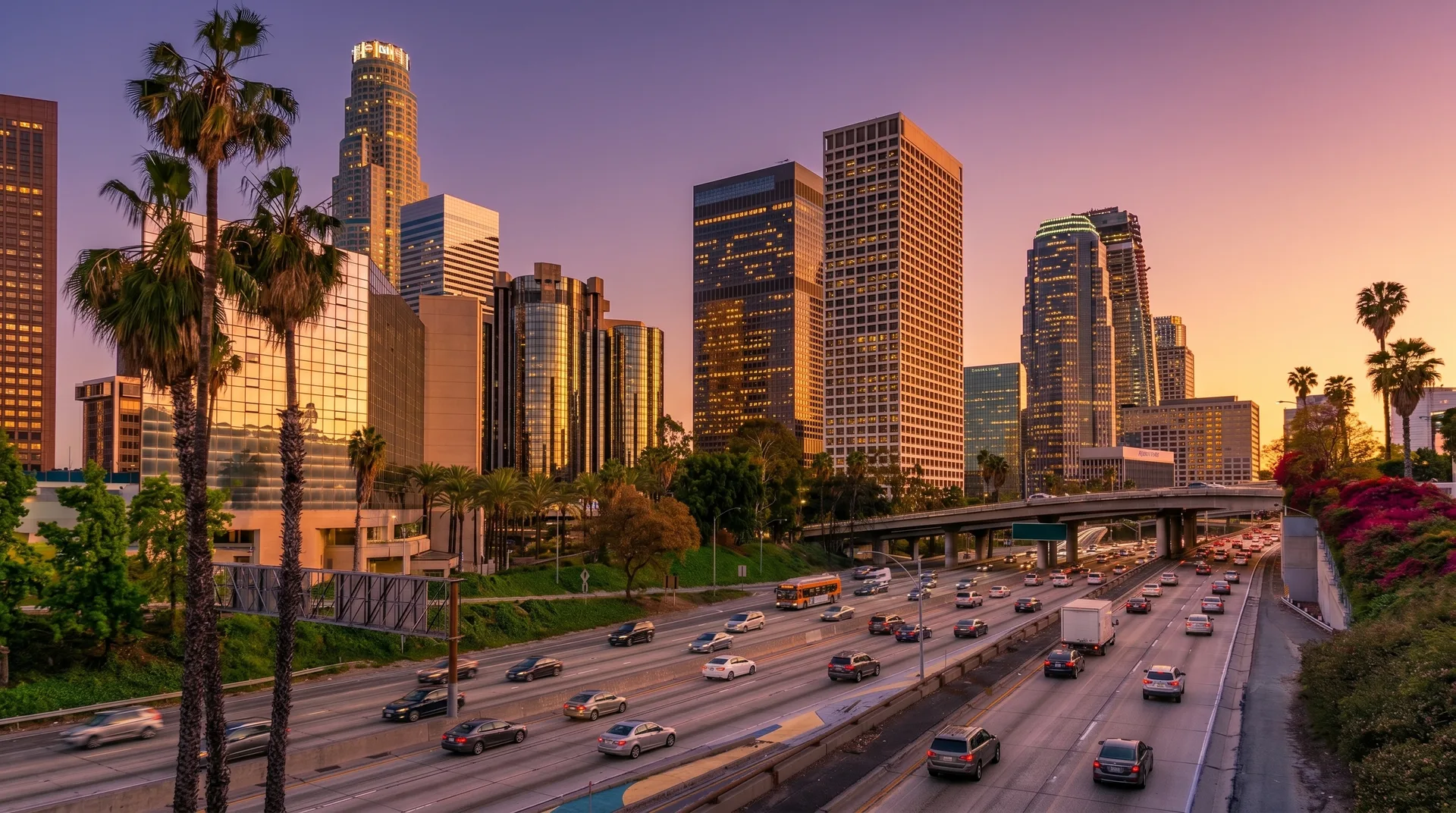
Los Angeles
Los Angeles, California, stands as one of the most important logistics hubs in North America, serving as the primary gateway for international trade with Asia. The city's strategic location on the Pacific Coast provides direct access to the Ports of Los Angeles and Long Beach, the busiest container port complex in the Western Hemisphere. Los Angeles features an extensive transportation infrastructure including major interstate highways (I-5, I-10, I-405), rail networks, and modern warehousing districts that support its role as a global distribution center.
The Los Angeles metropolitan area is home to diverse industries including entertainment, technology, aerospace, fashion, and international trade. The region's massive consumer market and position as a manufacturing and distribution center create substantial freight transportation needs. Los Angeles serves as the final destination for countless products entering the United States, as well as a starting point for goods distributed throughout the western United States. The city's logistics ecosystem includes advanced fulfillment centers, cold storage facilities, and specialized handling capabilities for various cargo types.










