Tijuana to Yuscarán
Yuscarán → TijuanaFTL freight transportation service between Tijuana and Yuscarán. Reliable logistics solutions for your business.
Route Description
Everything you need to know about the corridor Tijuana - Yuscarán
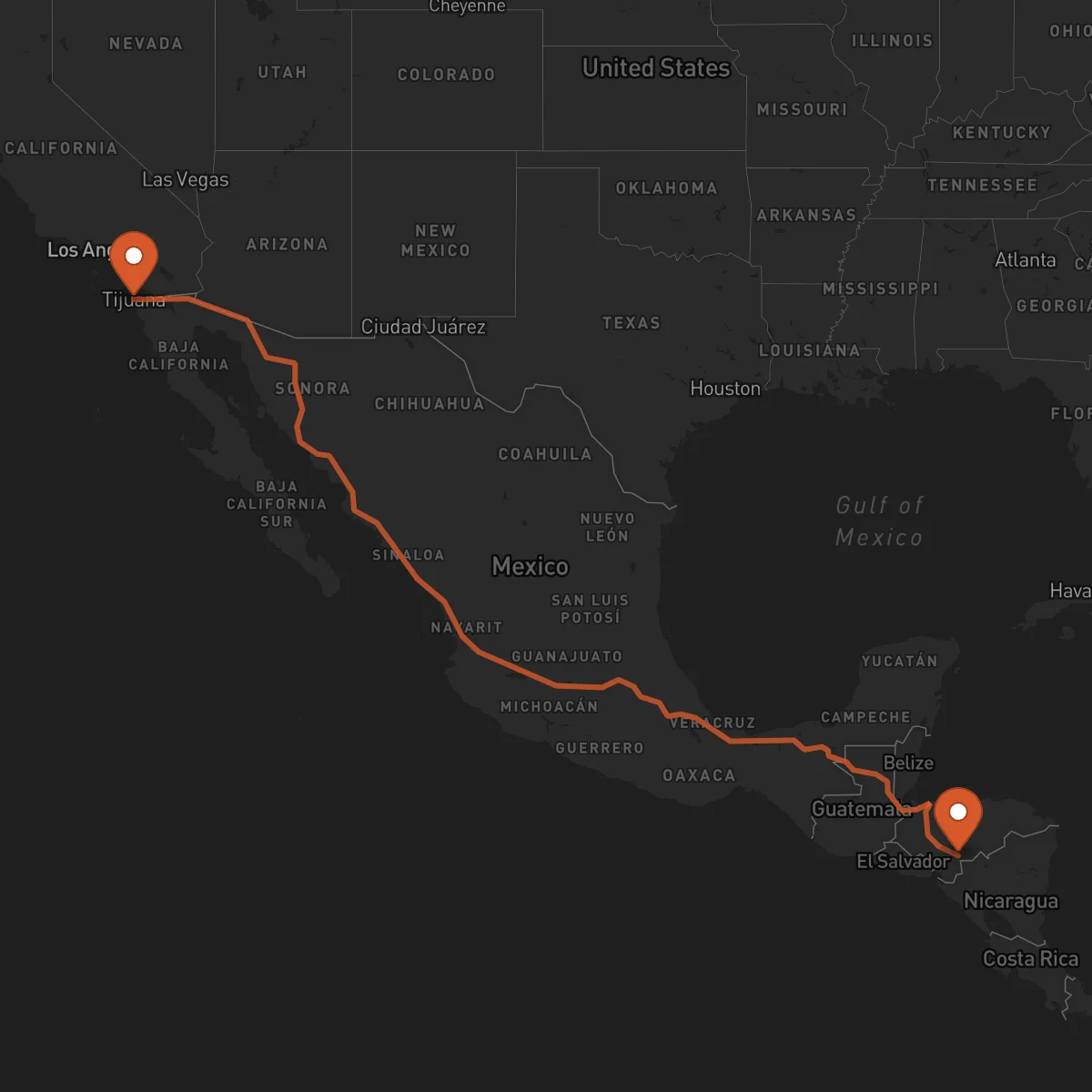
The Tijuana to Yuscarán corridor represents a vital logistics link connecting Mexico's northern border with Central America's industrial heartland. This 3,689 km route traverses diverse terrain and crosses multiple international borders, making it essential for companies engaged in cross-border trade between North and Central America. The corridor serves as a critical artery for manufacturing supply chains, particularly those involving automotive, electronics, and agricultural products moving between Mexico's maquiladora industry and Honduras' growing manufacturing sector.
This route leverages Mexico's well-developed highway infrastructure, including major corridors like MEX-2 and MEX-1, before connecting to Guatemala's CA-1 and Honduras' CA-5 network. The journey involves strategic border crossings at Tijuana/San Diego and El Florido (Guatemala/Honduras), requiring expertise in customs procedures and documentation for multiple countries. Control Terrestre's experience in managing these complex cross-border operations ensures seamless transit through each jurisdiction, minimizing delays and maintaining supply chain integrity.
Companies utilizing this corridor benefit from our specialized knowledge of regional regulations, permit requirements, and security protocols. Our dedicated fleet and experienced drivers understand the unique challenges of this route, from navigating mountainous terrain in southern Mexico to managing agricultural inspections in Central America. We provide end-to-end FTL services that maintain cargo security and optimize transit times for time-sensitive shipments between Tijuana's industrial parks and Yuscarán's manufacturing facilities.
Services for this Route
Available services for the corridor Tijuana - Yuscarán
 Origin
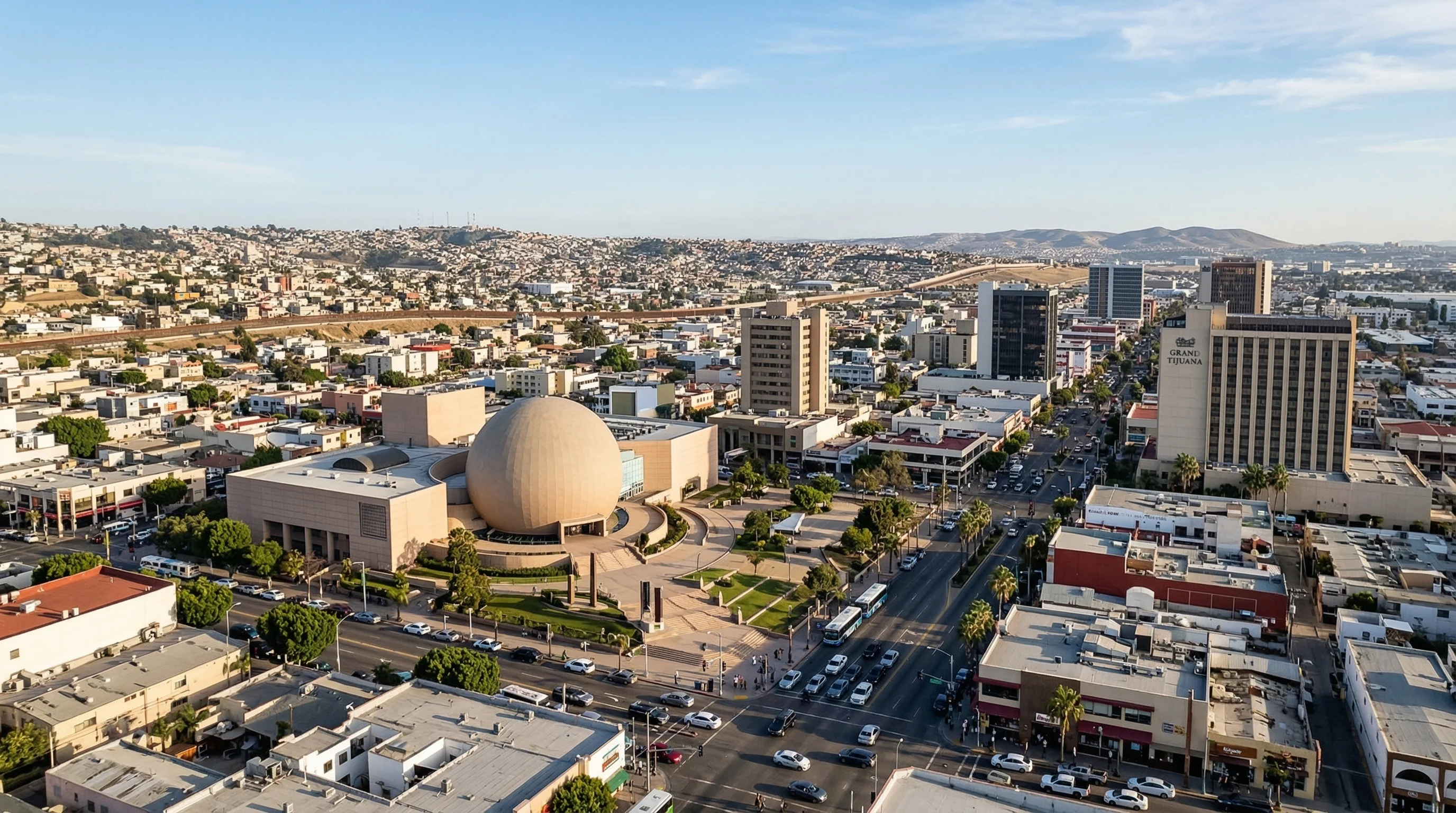
Tijuana
Tijuana stands as Mexico's leading border city and a strategic logistics hub for North American trade. Located just south of California, Tijuana offers immediate access to major U.S. transportation networks and serves as the primary gateway for Mexico's export-oriented manufacturing sector. The city hosts over 500 maquiladoras, with key industries including aerospace, medical devices, electronics, and automotive components. Tijuana's proximity to San Diego provides seamless integration with U.S. logistics infrastructure, including rail connections and major interstate highways.
The city boasts sophisticated transportation infrastructure, including the Tijuana International Airport, multiple border crossings (including the new Otay Mesa II expansion), and direct highway connections to Mexico's interior. The presence of major industrial parks, bonded warehouses, and free trade zone facilities makes Tijuana ideal for companies requiring efficient cross-border logistics operations. Control Terrestre leverages Tijuana's strategic position to provide rapid access to U.S. markets while maintaining cost-effective operations for southbound freight movements.
 Destination
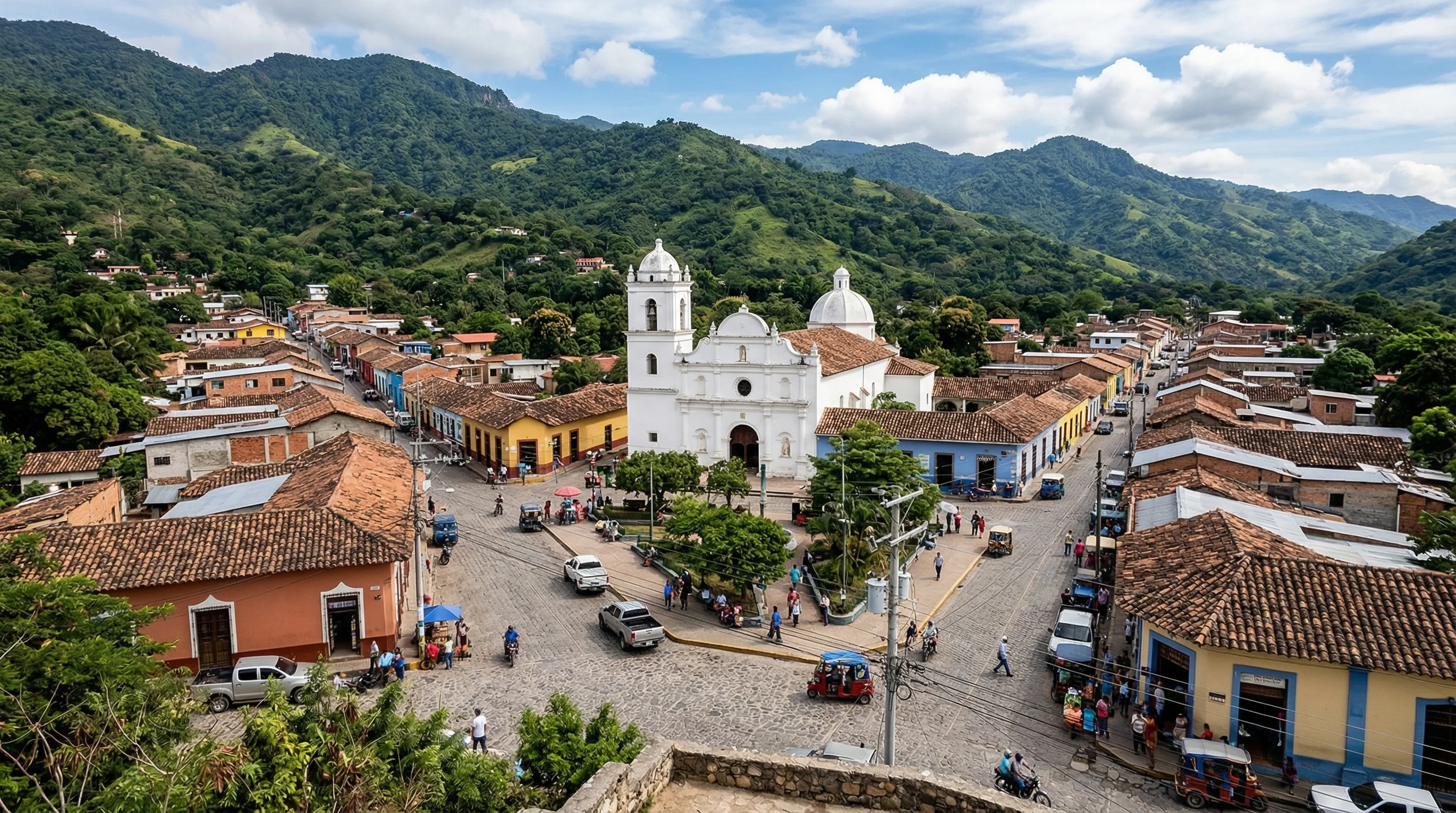
Yuscarán
Yuscarán, located in El Paraíso department of Honduras, serves as an important industrial center in Central America's growing manufacturing corridor. The region benefits from Honduras' proximity to both Pacific and Atlantic ports, providing multiple options for international shipping. Yuscarán's industrial development focuses on textile manufacturing, automotive components, and agricultural processing, with several multinational companies establishing operations to take advantage of the country's trade agreements and competitive labor costs.
The area's transportation infrastructure includes access to CA-5, Honduras' primary north-south highway, connecting to San Pedro Sula's port facilities and the capital, Tegucigalpa. While Yuscarán itself is a smaller city, its location within El Paraíso provides strategic access to regional distribution networks throughout Central America. The region's industrial parks offer modern facilities for manufacturing and warehousing, supported by improving road infrastructure that facilitates efficient distribution throughout the country and to neighboring nations.










