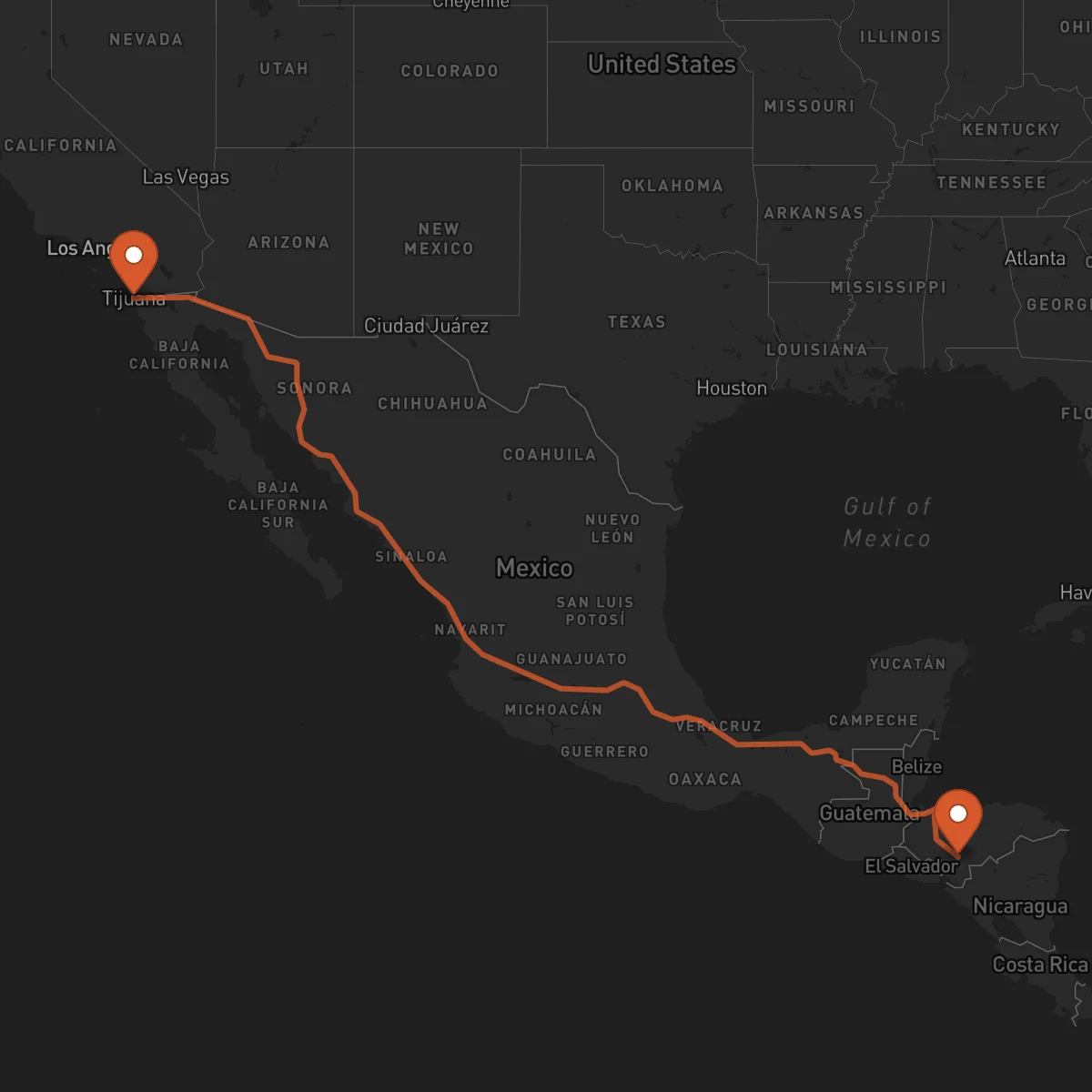
Tijuana to Tegucigalpa
Tegucigalpa → TijuanaFTL freight transportation service between Tijuana and Tegucigalpa. Reliable logistics solutions for your business.
Route Description
Everything you need to know about the corridor Tijuana - Tegucigalpa
The Tijuana to Tegucigalpa corridor is a vital cross-border logistics artery connecting Mexico's manufacturing powerhouse with Central America's growing markets. Spanning approximately 3,654 kilometers, this route facilitates the flow of goods between two key economic zones, supporting regional trade under agreements like USMCA and CAFTA-DR. The corridor is strategically important for moving full truckload (FTL) freight efficiently across multiple borders, linking industrial hubs in Baja California to distribution centers in Honduras.
Economically, the corridor serves a dynamic region where Tijuana's export-oriented manufacturing meets Tegucigalpa's role as a central hub for Honduras's diverse economy. Major industries leveraging this route include automotive and aerospace parts from Mexico's maquiladoras, electronics, apparel and textiles, agricultural products, and construction materials. The consistent demand for dedicated, reliable transportation underscores the need for expert logistics partners who understand the complexities of multinational freight movement.
Infrastructure along the corridor relies on a network of major highways. In Mexico, Federal Highway 1D and 2 provide the primary coastal and inland routes north from Tijuana. The journey continues through Mexico's interior, crossing into Guatemala via formal border posts like Ciudad Hidalgo/La Mesilla, then proceeding through Guatemala and into Honduras via key routes such as CA-1 and the Pan-American Highway segments. Critical border crossings require meticulous customs coordination, with documentation for export, import, and transit. Control Terrestre facilitates seamless operations on this corridor through our strategic alliance of certified transportation providers. Our partners hold essential credentials like C-TPAT, FAST, and BASC, which expedite clearance at the US-Mexico border and other international points. We manage all cross-border complexities, offering dedicated FTL, specialized cargo handling for oversized or regulated goods, and door-to-door coordination. Our focus is on providing a human-centric, transparent service that optimizes your supply chain across this challenging but crucial North American-Central American link.
Services for this Route
Available services for the corridor Tijuana - Tegucigalpa
 Origin
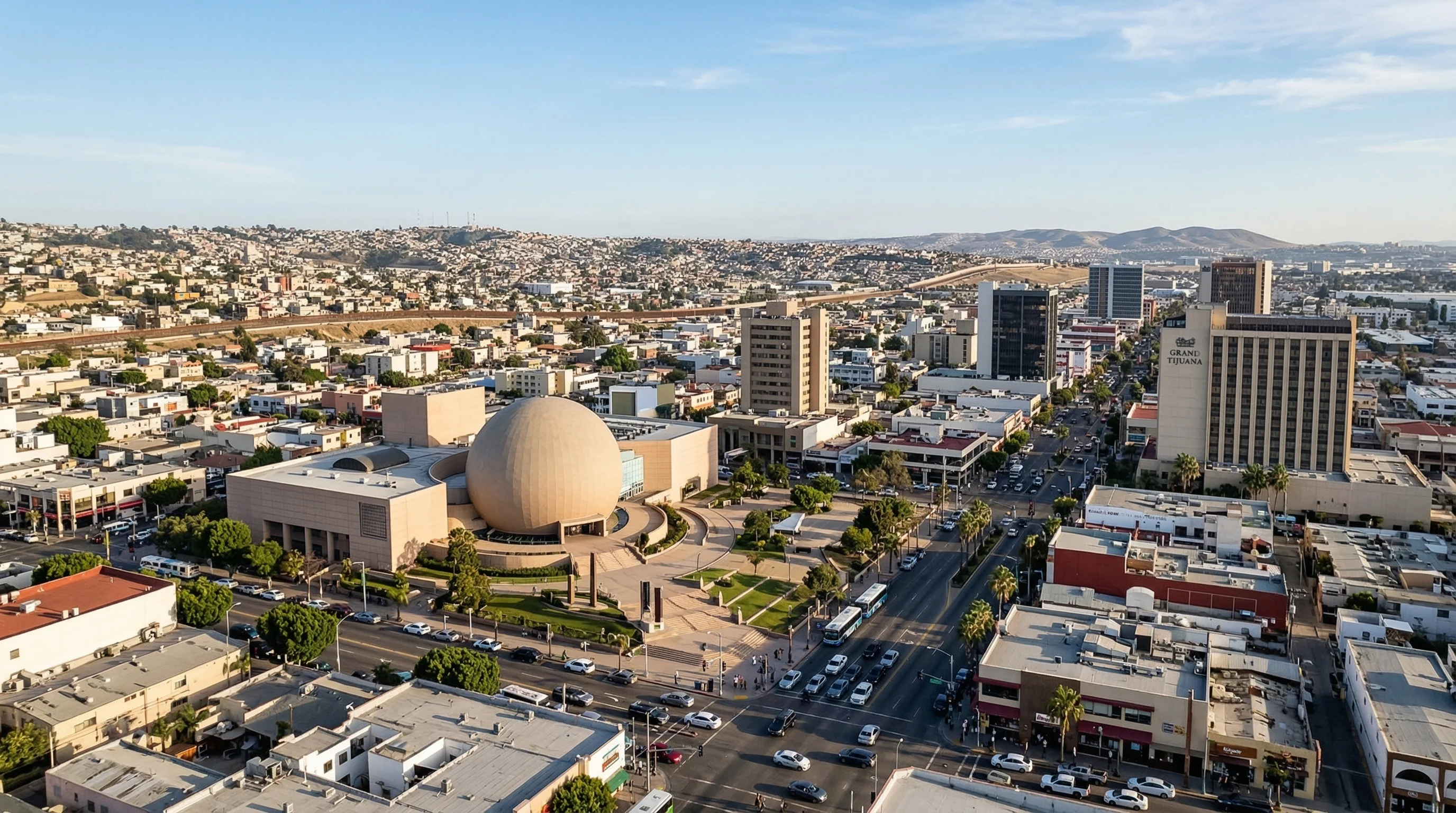
Tijuana
Tijuana, Baja California, is a premier logistics origin point due to its unparalleled strategic location on the Mexico-U.S. border, directly adjacent to San Diego, California. This positioning makes it a primary gateway for goods entering and leaving the North American market. The city's economy is dominated by the manufacturing sector, particularly the maquiladora industry, which produces automotive components, medical devices, electronics, and aerospace parts for global export. Its industrial parks and proximity to major ports like Ensenada and the U.S. border create a dense ecosystem for production and distribution. The available transportation infrastructure is robust, featuring direct access to the U.S. via the San Ysidro and Otay Mesa land ports of entry, the Tijuana International Airport for air cargo, and a strong network of federal highways (notably Fed. 1D and 2) that fan out across Mexico. This infrastructure supports high-volume, time-sensitive freight movement, making Tijuana an ideal launch point for long-haul domestic and international trucking operations.
 Destination
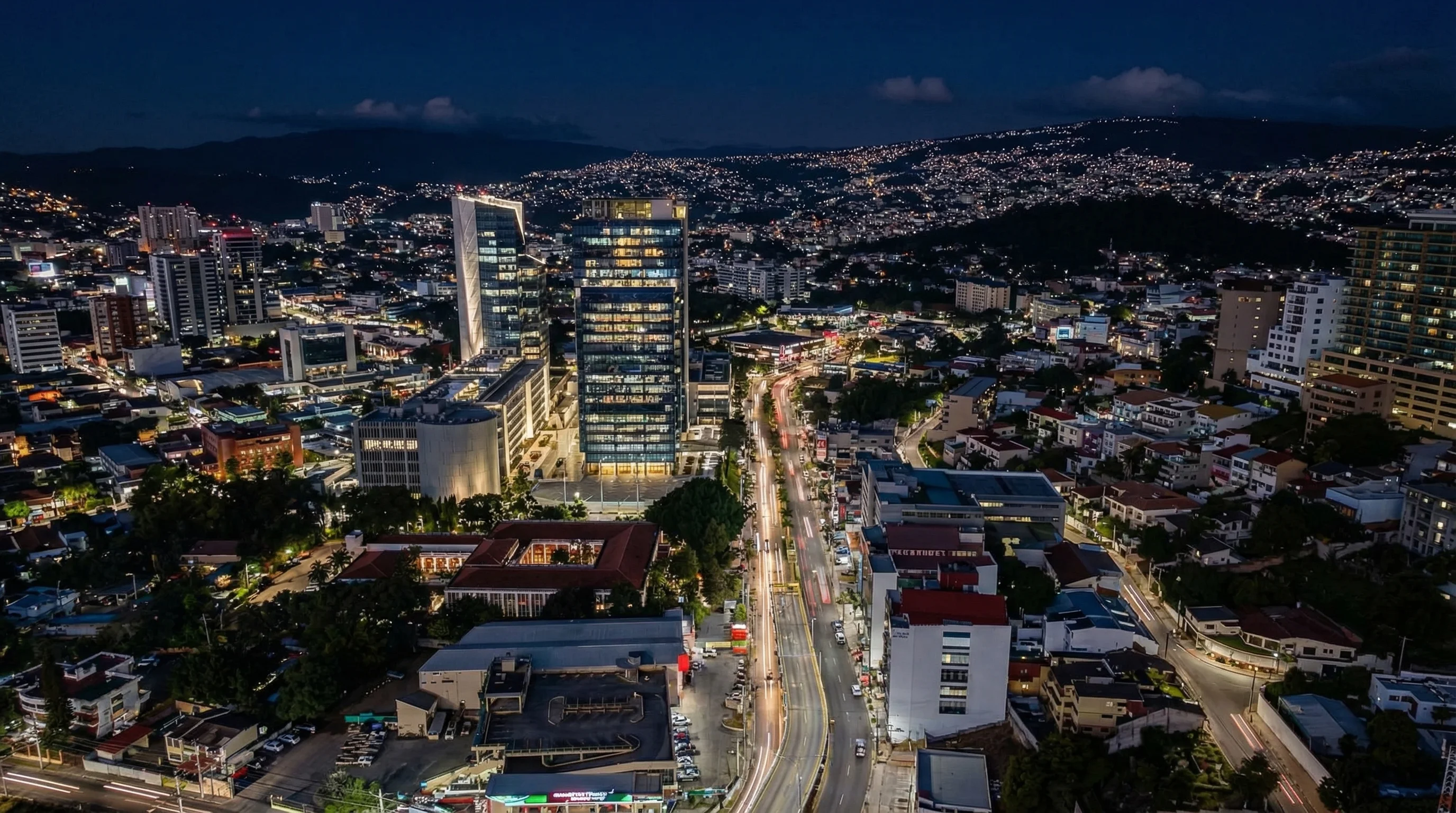
Tegucigalpa
Tegucigalpa, the capital of Honduras, serves as a critical strategic logistics and distribution hub for the country and the Central American region. Its central location within Francisco Morazán department provides connectivity to both Pacific and Atlantic coasts, as well as to neighboring countries like Guatemala, El Salvador, and Nicaragua. The city's economy is driven by services, commerce, and light industry, including textile and apparel manufacturing, food and beverage processing, and construction materials. It functions as a primary collection and distribution point for agricultural exports (such as coffee and tropical fruits) from the Honduran interior and a key market for imported consumer goods and industrial supplies. The transportation infrastructure centers on Toncontín International Airport for air freight and a network of major highways, including the CA-1 (part of the Pan-American Highway) and routes connecting to San Pedro Sula and the Caribbean ports of Puerto Cortés. This road network is essential for moving FTL cargo throughout Honduras and into the wider Central American corridor, though it requires experienced navigation of urban and mountainous terrain.


Ready to ship your cargo?
Get a personalized quote for your freight.
Quote Now Tijuana - Tegucigalpa








