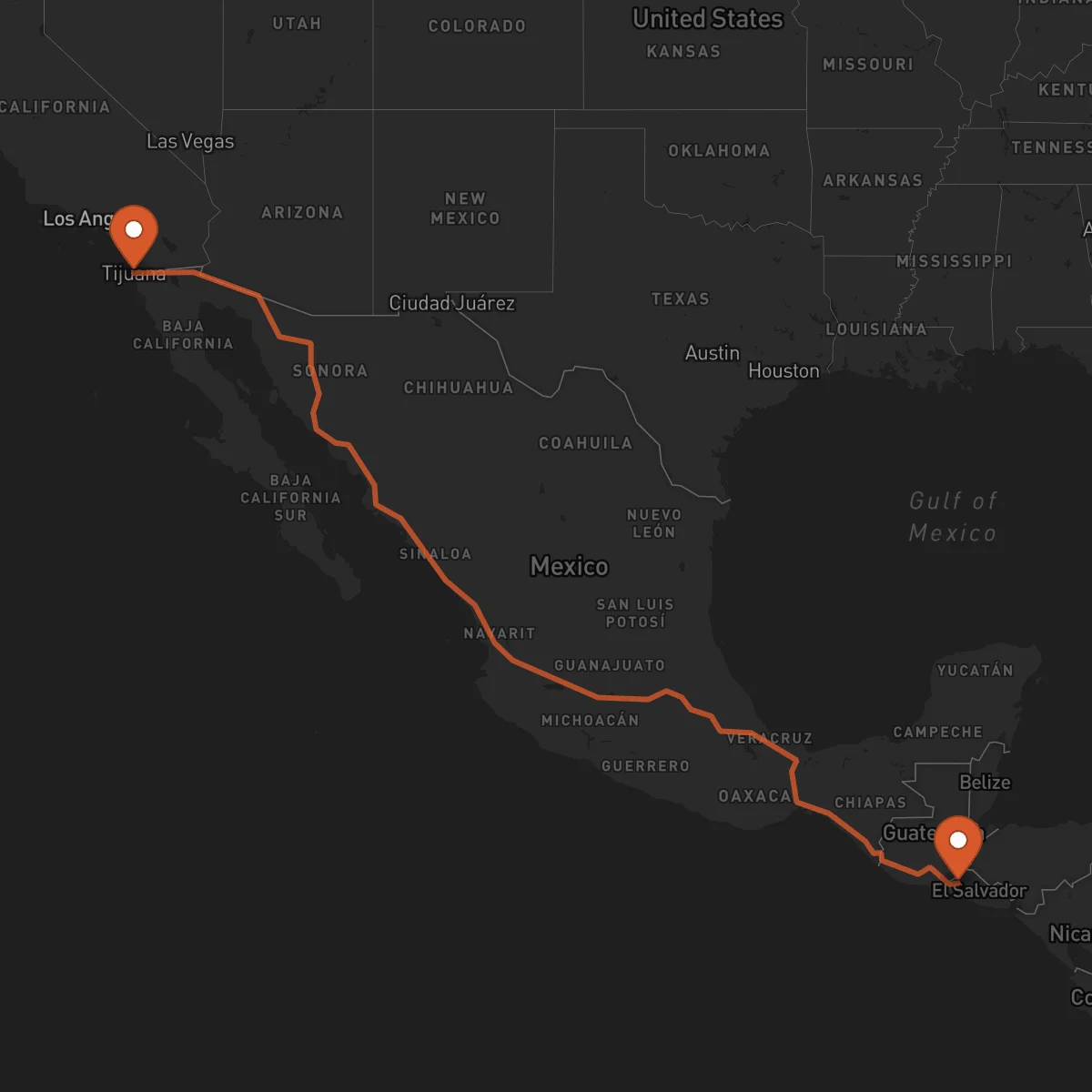
Tijuana to Santa Ana
Santa Ana → TijuanaFTL freight transportation service between Tijuana and Santa Ana. Reliable logistics solutions for your business.
Route Description
Everything you need to know about the corridor Tijuana - Santa Ana
The Tijuana to Santa Ana corridor represents a critical north-south logistics artery connecting Mexico's industrial powerhouse with Central America's key distribution hub. Spanning approximately 3,463 km, this cross-border route facilitates the seamless flow of goods between manufacturing centers in Northern Mexico and the consumer and production markets of El Salvador and the broader region. The corridor's strategic importance is underscored by its role in supporting integrated supply chains for industries ranging from automotive and electronics to agriculture and textiles. Economically, it links the dynamic maquiladora industry of Baja California with El Salvador's robust agroindustrial sector and growing manufacturing base, enabling just-in-time delivery and efficient market access. Key industries leveraging this corridor include automotive parts manufacturers, electronics assemblers, medical device producers, coffee and perishable goods exporters, and textile companies. The primary transportation infrastructure relies on a network of major highways, including Mexico's Federal Highways 1 and 2, Guatemala's CA-1, and El Salvador's CA-2, which collectively form the backbone of this overland route. Critical border crossings at Tecún Umán (Mexico-Guatemala) and San Cristóbal (Guatemala-El Salvador) require meticulous customs clearance and adherence to regional agreements like the CA-4. Control Terrestre facilitates operations on this complex corridor through our robust alliance of certified providers. Our expertise in cross-border documentation, combined with providers holding C-TPAT, FAST, and BASC certifications, ensures smooth transit and security compliance. We offer dedicated FTL solutions, including refrigerated, flatbed, and dry van equipment, tailored to the specific cargo needs of this route, providing our clients with a single, human point of contact for end-to-end management.
Services for this Route
Available services for the corridor Tijuana - Santa Ana
 Origin
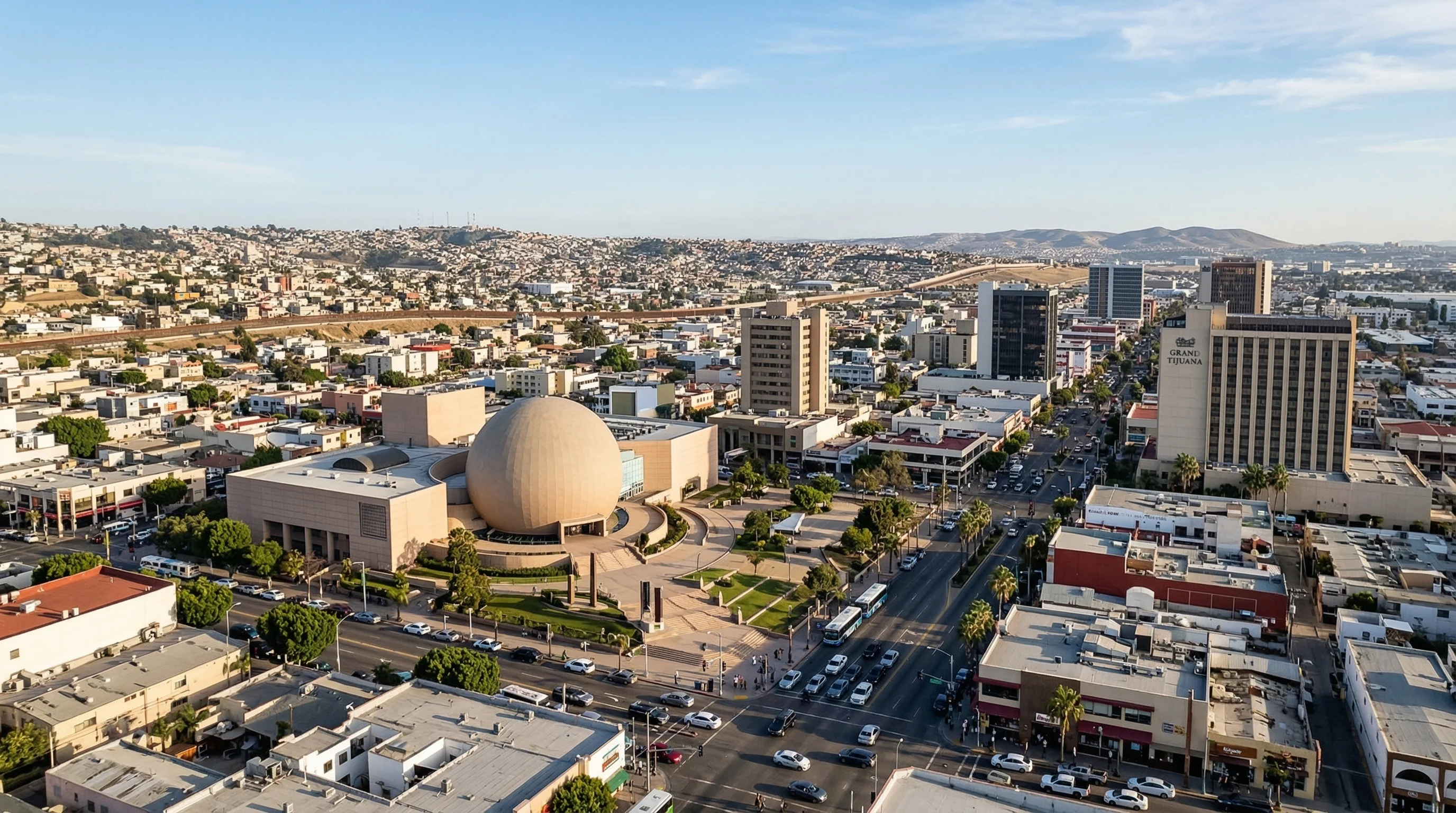
Tijuana
Tijuana, Baja California, serves as a premier logistics origin due to its unparalleled strategic position on the Mexico-U.S. border, directly adjacent to San Diego, California. This location provides immediate access to the largest consumer market in North America while functioning as a primary gateway to Latin America. The city's economy is dominated by the maquiladora (manufacturing) industry, with major sectors including medical devices, automotive electronics, aerospace components, and consumer goods. This industrial density generates consistent, high-volume freight demand. Tijuana's transportation infrastructure is highly developed, featuring the Port of San Diego for maritime connections, the Tijuana International Airport for air cargo, and a dense network of highways, including the Tijuana-Tecate segment of Fed 1 and Fed 2, which funnel traffic south toward the interior of Mexico and Central America. The city's logistics ecosystem is further supported by numerous industrial parks and warehousing facilities, making it an ideal launch point for full truckload (FTL) shipments destined for Central America.
 Destination
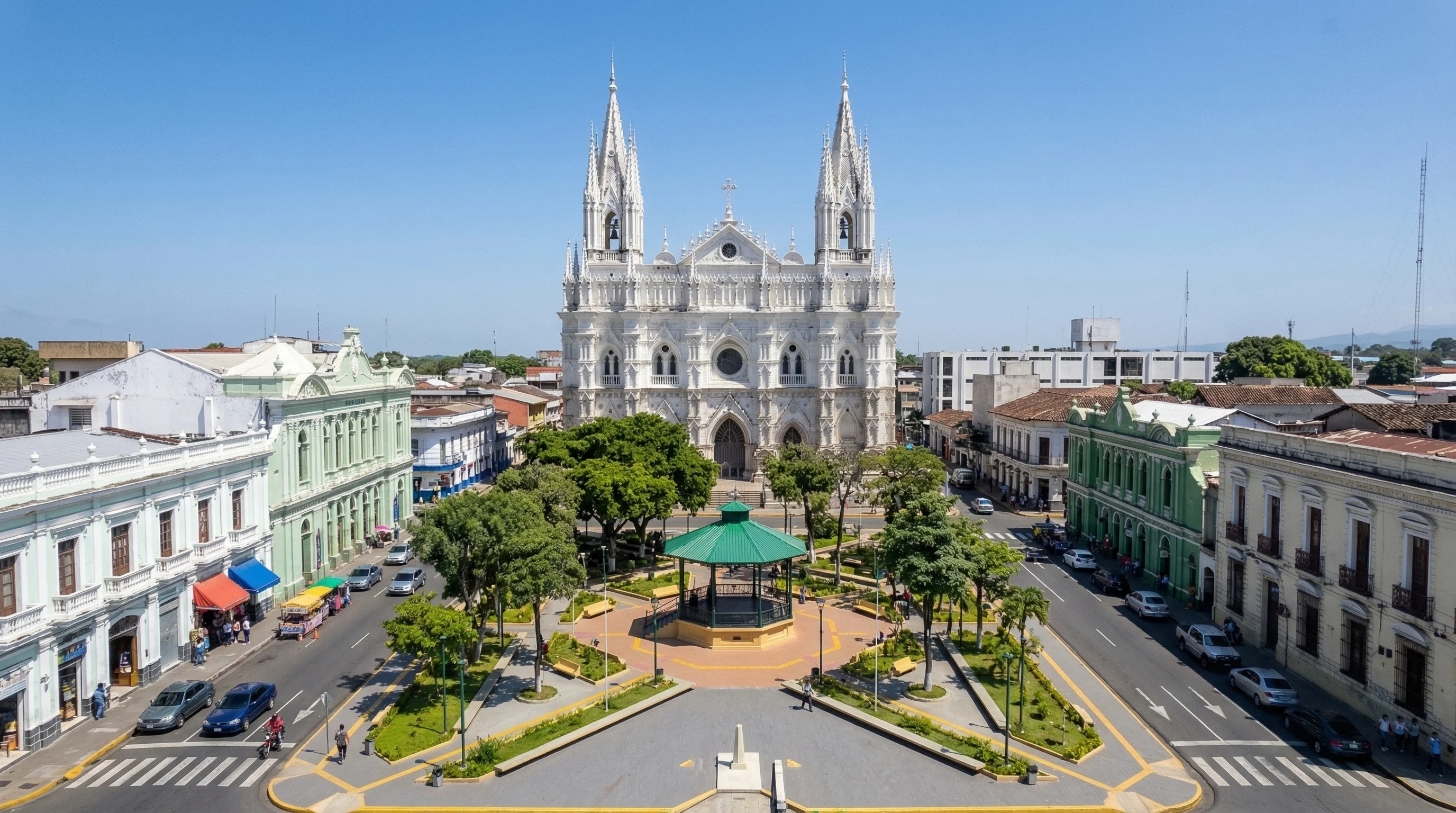
Santa Ana
Santa Ana, El Salvador, is a pivotal logistics destination and the second-largest city in the country, strategically positioned in the western region near the Guatemalan border. Its location makes it a crucial distribution hub for domestic and regional cargo, serving as a gateway to the markets of El Salvador and neighboring Honduras and Nicaragua. The local economy is driven by agroindustry—particularly coffee, sugar, and processed foods—alongside textiles, pharmaceuticals, and light manufacturing. Santa Ana's infrastructure supports this activity with key access to the Port of Acajutla, El Salvador's principal maritime gateway for international trade, via highway CA-2. The city is also intersected by the Pan-American Highway (CA-1), connecting it efficiently to Guatemala and the broader Central American corridor. This combination of industrial activity and highway access to major ports and borders establishes Santa Ana as a vital terminus for FTL freight, where cargo is either distributed locally or prepared for onward transit within the region.










