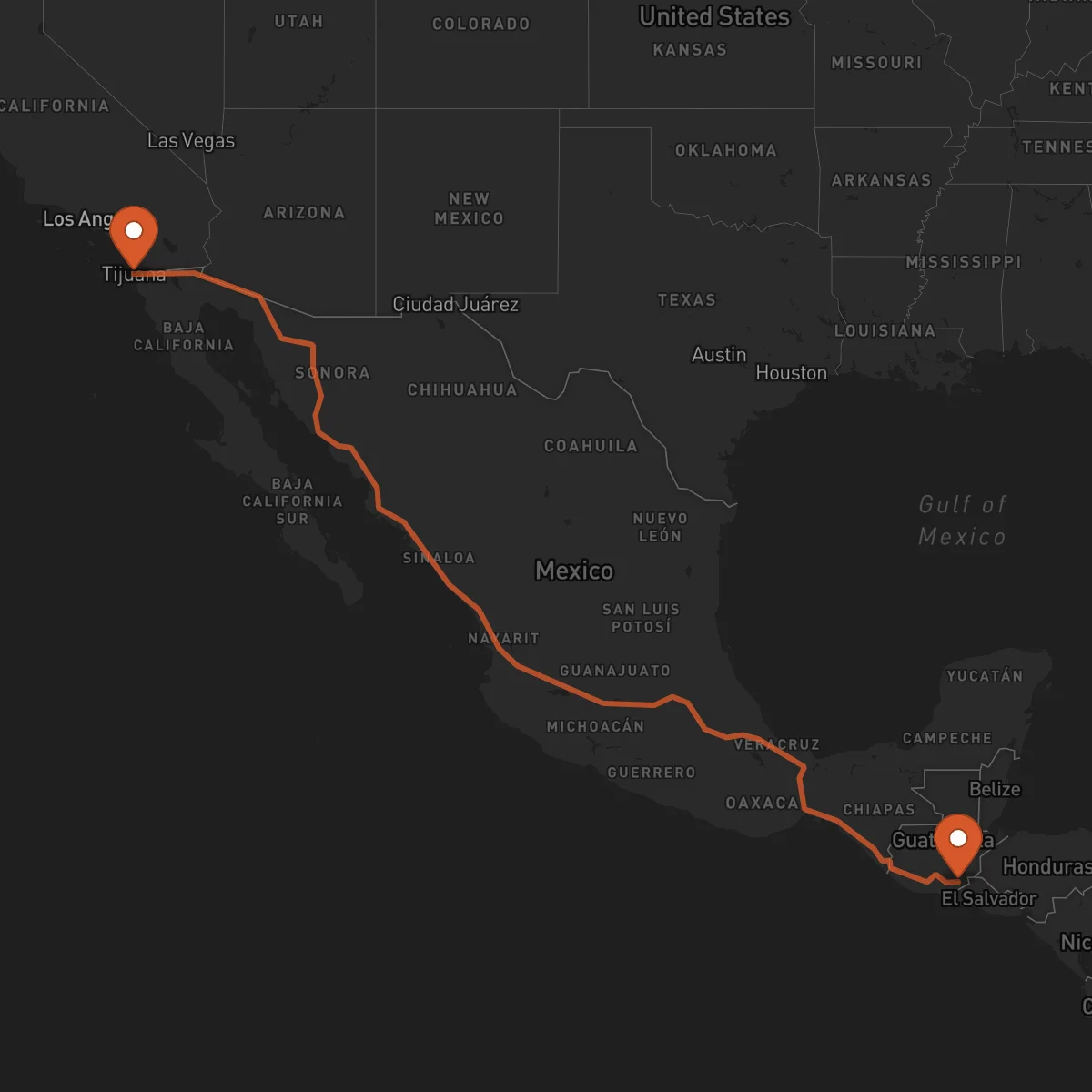
Tijuana to Jutiapa
Jutiapa → TijuanaFTL freight transportation service between Tijuana and Jutiapa. Reliable logistics solutions for your business.
Route Description
Everything you need to know about the corridor Tijuana - Jutiapa
The Tijuana to Jutiapa corridor represents a vital logistics link connecting Mexico's northern border with Guatemala's central region. This 3,416 km cross-border route traverses diverse terrain and crosses multiple international boundaries, making it essential for trade between North and Central America. The corridor facilitates the movement of goods between Mexico's industrial powerhouse and Guatemala's growing manufacturing and agricultural sectors.
The economic significance of this route extends beyond simple transportation. Tijuana serves as a major manufacturing hub for aerospace, medical devices, and electronics, while Jutiapa acts as a gateway to Guatemala's interior and neighboring countries. This corridor supports industries including automotive parts, consumer goods, agricultural products, and industrial equipment. The route passes through key commercial centers in both countries, enabling efficient distribution networks.
Transportation infrastructure along this corridor includes Mexico's Federal Highway 2 and Federal Highway 15, connecting to Guatemala's CA-1 and CA-9 highways. The route involves critical border crossings at Tijuana/San Diego and potentially Ciudad Hidalgo/Tapachula, requiring specialized knowledge of customs procedures and documentation. Control Terrestre provides comprehensive FTL services on this corridor, ensuring seamless cross-border operations with our certified carriers who understand the complexities of international freight movement.
Services for this Route
Available services for the corridor Tijuana - Jutiapa
 Origin
Tijuana
Tijuana stands as Mexico's most important border city and a strategic logistics hub on the Pacific coast. Located just south of California, it serves as a gateway for trade between Mexico and the United States, with the San Ysidro Port of Entry being the busiest land border crossing in the Western Hemisphere. The city's proximity to major U.S. markets and its integration with the Maquiladora industry make it a critical origin point for cross-border freight.
The region hosts a diverse industrial base including aerospace manufacturing, medical device production, electronics assembly, and automotive components. Tijuana's transportation infrastructure includes multiple interstate highways (Federal Highways 1 and 2), the Tijuana International Airport, and extensive rail connections. The city's logistics ecosystem features modern warehousing facilities, cross-docking operations, and specialized freight forwarders equipped to handle both domestic and international shipments.
 Destination
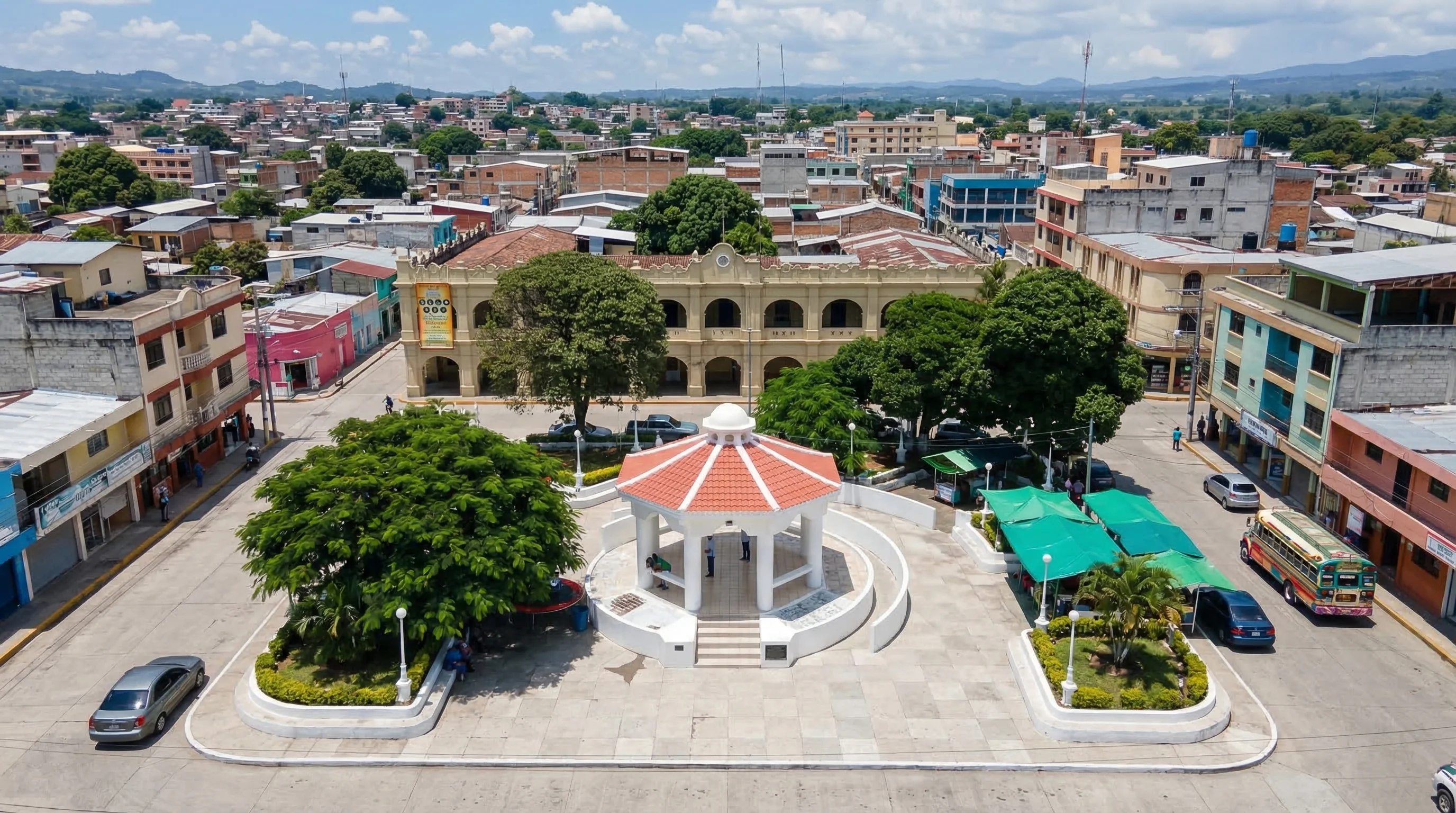
Jutiapa serves as a strategic logistics center in southeastern Guatemala, positioned to facilitate trade throughout Central America. Located approximately 124 km from Guatemala City and near the El Salvador border, Jutiapa provides access to key markets in Guatemala, El Salvador, Honduras, and Nicaragua. The city's location makes it an ideal distribution point for companies serving the Central American region.
The area supports various economic activities including agricultural production, food processing, and light manufacturing. Jutiapa benefits from Guatemala's developing transportation network, including the CA-1 Pan-American Highway and connections to major ports. The region's infrastructure includes warehousing facilities, local distribution centers, and transportation services that support both domestic and international trade. As Guatemala continues to expand its logistics capabilities, Jutiapa remains a crucial node in the country's supply chain network.










