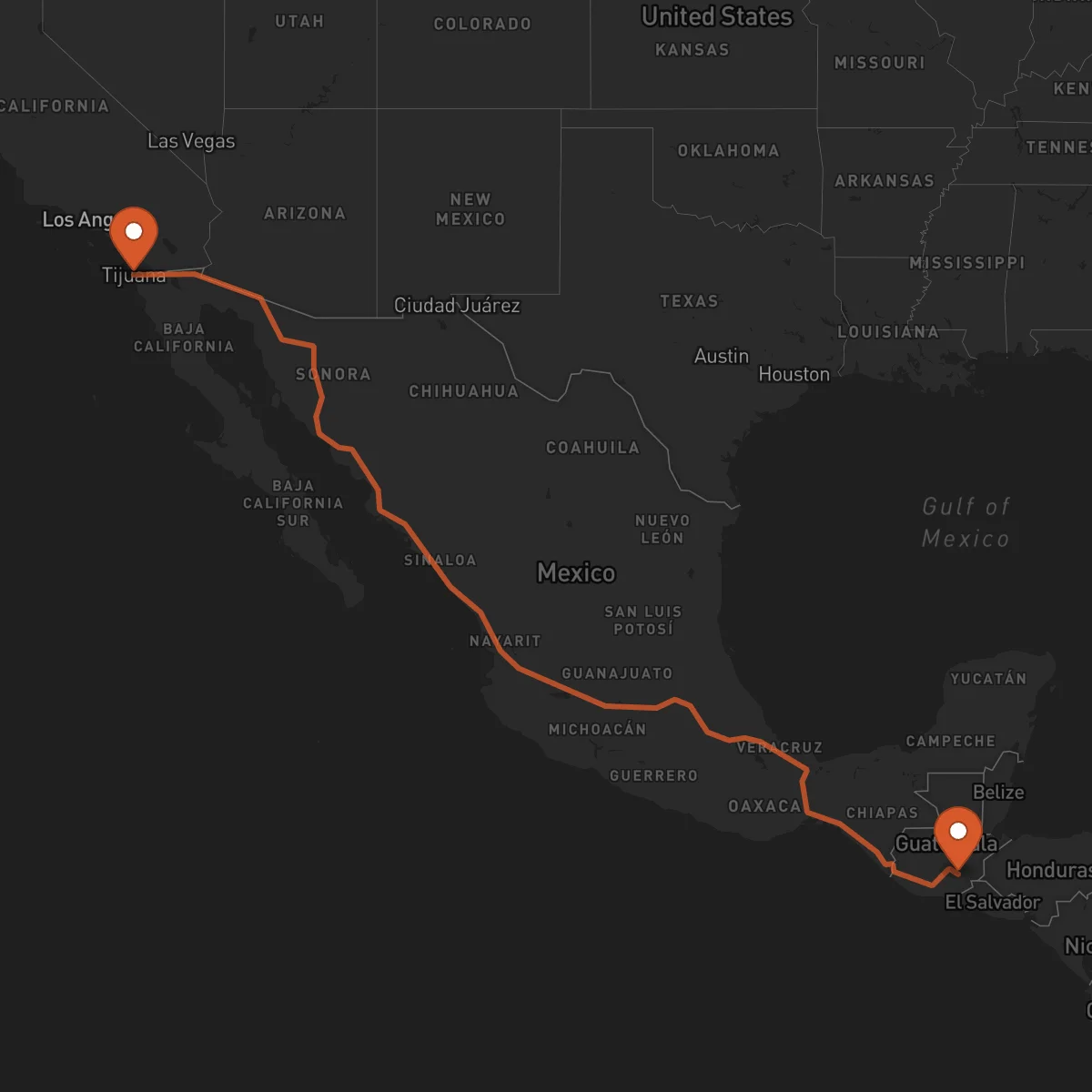
Tijuana to Jalapa
Jalapa → TijuanaFTL freight transportation service between Tijuana and Jalapa. Reliable logistics solutions for your business.
Route Description
Everything you need to know about the corridor Tijuana - Jalapa
The Tijuana to Jalapa corridor represents a critical North-South logistics artery, connecting the industrial powerhouse of Northern Mexico with the heart of Central America. This strategic cross-border route is essential for moving goods between major manufacturing hubs and key consumption markets, facilitating trade across three nations. The economic vitality of this corridor is driven by the integrated supply chains of the maquiladora industry in Baja California and the agricultural and manufacturing sectors of Guatemala and its neighbors.
Tijuana, as a primary origin, is a global manufacturing and logistics epicenter, heavily reliant on the medical device, automotive, and electronics sectors. Its economy is deeply intertwined with the U.S. market, creating a constant demand for efficient north-south and cross-border freight movement. Jalapa serves as a vital gateway and distribution hub for Guatemala, a nation with a robust agricultural export economy (coffee, bananas, vegetables) and growing industrial base. The corridor supports the flow of raw materials inbound to these industries and finished goods outbound to regional markets.
Key transportation infrastructure includes Mexico's Federal Highway 2 and 15, traversing the length of the Baja California peninsula and connecting to the main central American highway network. The primary border crossing for this corridor is typically via the Otay Mesa or Tecate ports of entry in the Tijuana region, which are equipped to handle high volumes of commercial freight. Navigating customs procedures requires expertise in Mexican and Central American regulations, where certifications like C-TPAT and FAST for U.S. crossings, and BASC for security standards, significantly streamline processes.
Control Terrestre leverages its robust alliance of certified providers to facilitate seamless operations on this demanding corridor. We coordinate dedicated FTL and specialized equipment—from dry vans and reefers to flatbeds and tankers—tailored to the specific cargo needs, whether hazardous materials, oversized machinery, or refrigerated goods. Our network’s certifications (C-TPAT, FAST, BASC, Responsible Care) ensure compliance and security at every border, while our focus on human and green logistics provides a reliable, responsible partner for your full truckload requirements from Tijuana to Jalapa and beyond.
Services for this Route
Available services for the corridor Tijuana - Jalapa
 Origin
Tijuana
Tijuana, Baja California, is a premier logistics origin due to its unparalleled strategic position on the U.S.-Mexico border, directly adjacent to San Diego, California. This city is a manufacturing and export juggernaut, hosting one of the world's largest concentrations of maquiladoras. Key industries include medical devices, automotive parts, aerospace components, electronics, and consumer goods. Its economic engine is fueled by foreign direct investment and complex supply chains that demand flawless, high-volume freight movement.
The city's transportation infrastructure is world-class, featuring the Port of San Diego for maritime connections, the Tijuana International Airport for air cargo, and major highway networks like Federal Highway 2 (the coastal route) and Federal Highway 15 (the inland route). These arteries provide direct access to the U.S. interstate system via the Otay Mesa, San Ysidro, and Tecate border crossings. The relentless flow of goods necessitates a freight partner with deep expertise in cross-border protocols, customs clearance, and the ability to provide dedicated, scalable FTL capacity to match the region's industrial tempo.
 Destination
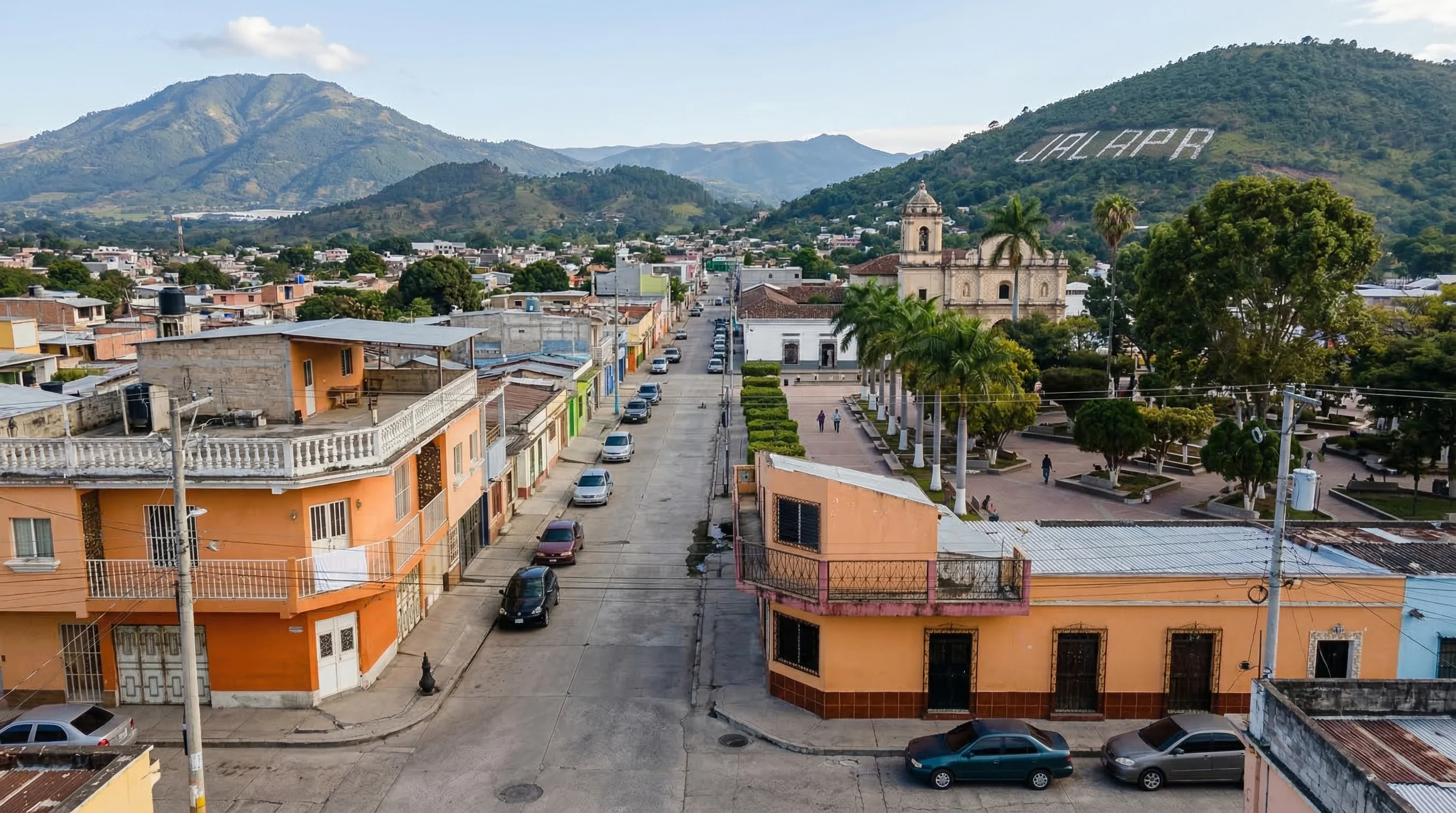
Jalapa, the capital of the department of Jalapa in Guatemala, is a strategically important logistics and commercial hub in Eastern Guatemala. It serves as a critical distribution point for the fertile highlands and a gateway to the Caribbean coast. The region's economy is anchored in agriculture, with Jalapa being a major producer and export center for coffee, sugarcane, bananas, and a variety of vegetables. Additionally, it supports light manufacturing, food processing, and construction materials industries that serve both local and regional demand.
As a destination, Jalapa benefits from its location along the CA-9 highway, a primary Central American corridor that connects it to Guatemala City (the main port of entry for ocean freight) and the borders with Honduras and El Salvador. This facilitates the final leg of intermodal and cross-border trucking journeys. The local infrastructure includes well-developed agricultural collection centers and industrial parks. Successfully navigating the final-mile delivery here requires a partner with experience in Guatemalan road networks, customs procedures at the border or port of entry (typically Puerto Barrios or Santo Tomás de Castilla), and the flexibility to handle diverse cargo from basic commodities to specialized products.










