Tijuana to Colón
Colón → TijuanaFTL freight transportation service between Tijuana and Colón. Reliable logistics solutions for your business.
Route Description
Everything you need to know about the corridor Tijuana - Colón
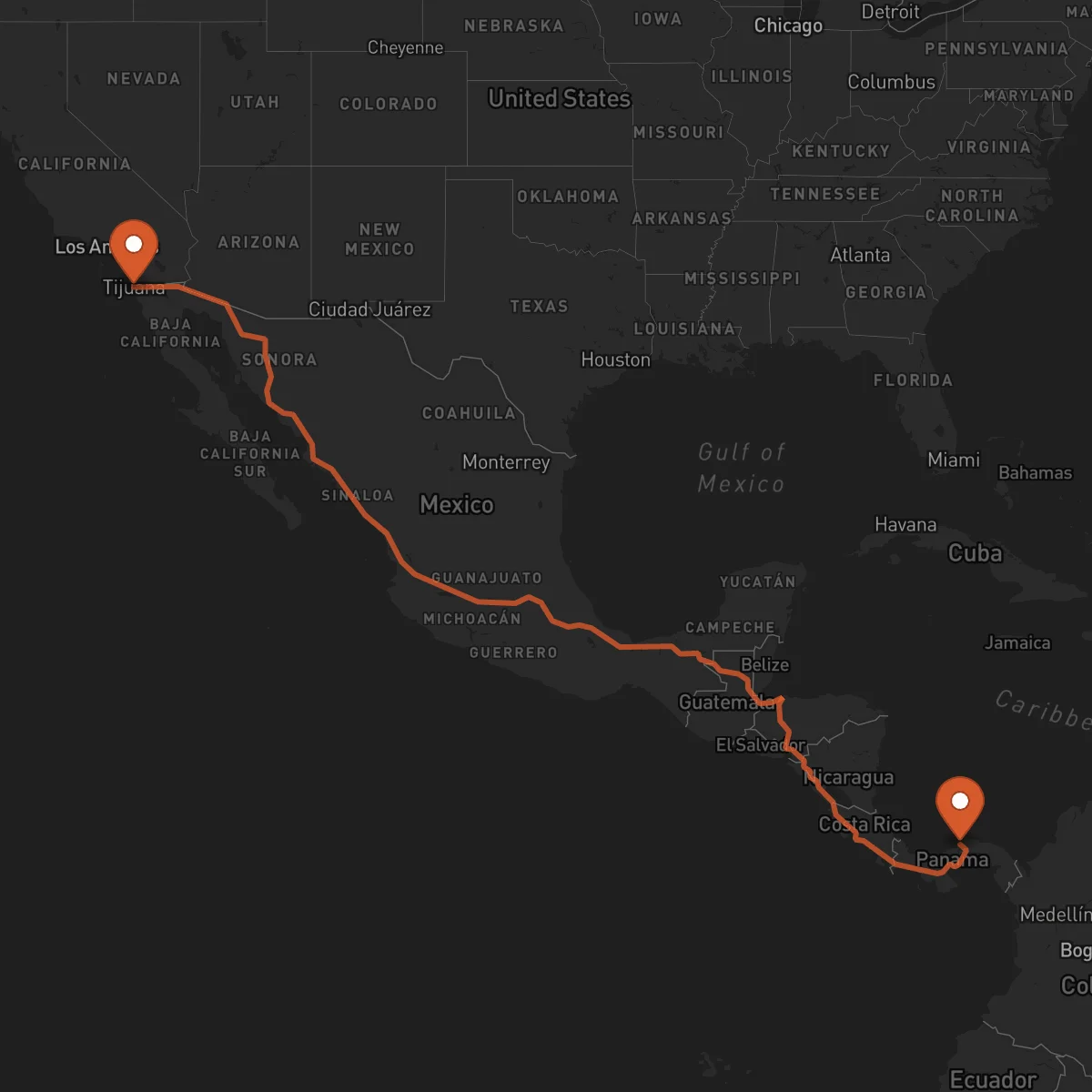
The Tijuana-to-Colón corridor represents a critical north-south logistics artery connecting the manufacturing heartland of northern Mexico with the strategic gateway of the Panama Canal. This approximately 4,597-kilometer route traverses the entire length of Central America, serving as a vital link for supply chains integrating North American production with Atlantic and global markets. Its strategic importance is underscored by its role in facilitating trade under the USMCA framework and leveraging Panama's unparalleled canal infrastructure for efficient transoceanic cargo movement.
Economically, the corridor bridges two dynamic regions. Tijuana is a major industrial hub driven by the maquiladora program, while Colón is a pivotal logistics and distribution center for the Americas. Key industries utilizing this route include automotive and aerospace parts manufacturers, medical device and electronics exporters from Baja California, and importers of raw materials or consumer goods destined for Central America and beyond. The flow is bidirectional, supporting both export-oriented manufacturing and regional distribution networks.
The transportation infrastructure relies on a network of major highways: Mexico's Fed. 1 and 1D south through Sonora and Sinaloa, Guatemala's CA-1, Costa Rica's Ruta 1, and Panama's Vía Transístmica. Navigating this corridor requires expertise in diverse customs regimes and border protocols at multiple crossings, including the busy Mexico-Guatemala border (e.g., Ciudad Hidalgo/Tecún Umán) and the Costa Rica-Panama border at Sixaola/Guabito. Each crossing presents unique documentation, safety, and security requirements.
Control Terrestre facilitates seamless operations on this complex corridor through our robust alliance of experienced transportation providers. Our partners hold essential certifications for this route, including C-TPAT and FAST for expedited U.S. border clearance (where applicable), BASC for security standards, and Clean Transportation for environmental compliance. We coordinate dedicated FTL, expedited, and specialized cargo movements—including oversized and regulated materials—managing the full door-to-door logistics chain. Our focus is on providing a single, human point of contact to navigate the infrastructural and regulatory complexities, ensuring reliability for your full truckload shipments across this international span.
Services for this Route
Available services for the corridor Tijuana - Colón
 Origin
Tijuana
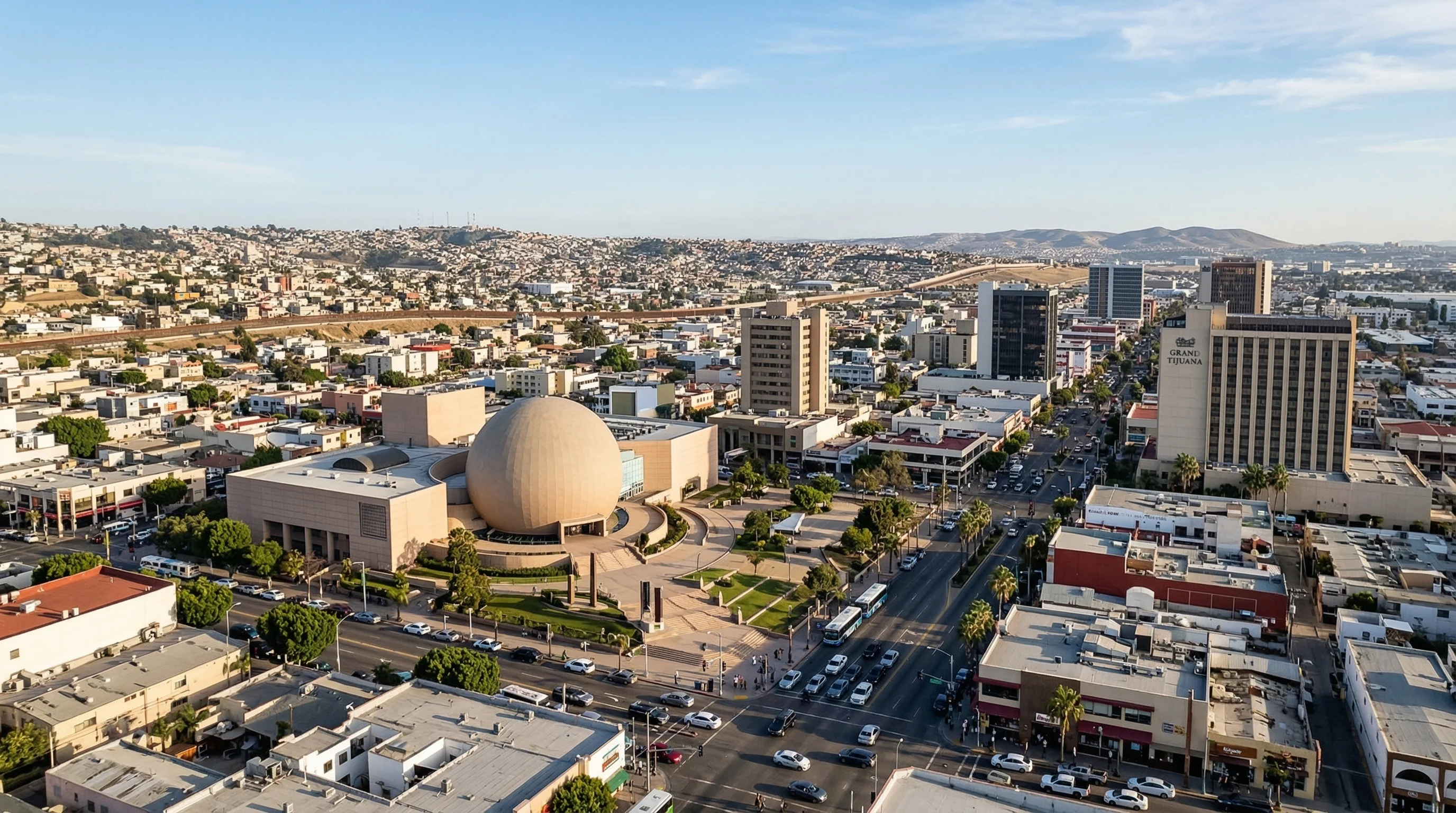
Tijuana, Baja California, is a premier logistics origin due to its unmatched proximity to the United States, sharing a border with San Diego, California. This location provides immediate access to one of the world's largest consumer markets and major ports of entry. The city's economy is dominated by advanced manufacturing, particularly medical devices, electronics, aerospace components, and automotive parts, supported by a vast network of maquiladoras. Its transportation infrastructure is highly developed, featuring the Port of San Diego for maritime cargo, Tijuana International Airport for air freight, and major highway arteries like Mexico Federal Highway 1 and 1D that provide direct north-south connectivity into the interior of Mexico and onward to Central America.
 Destination
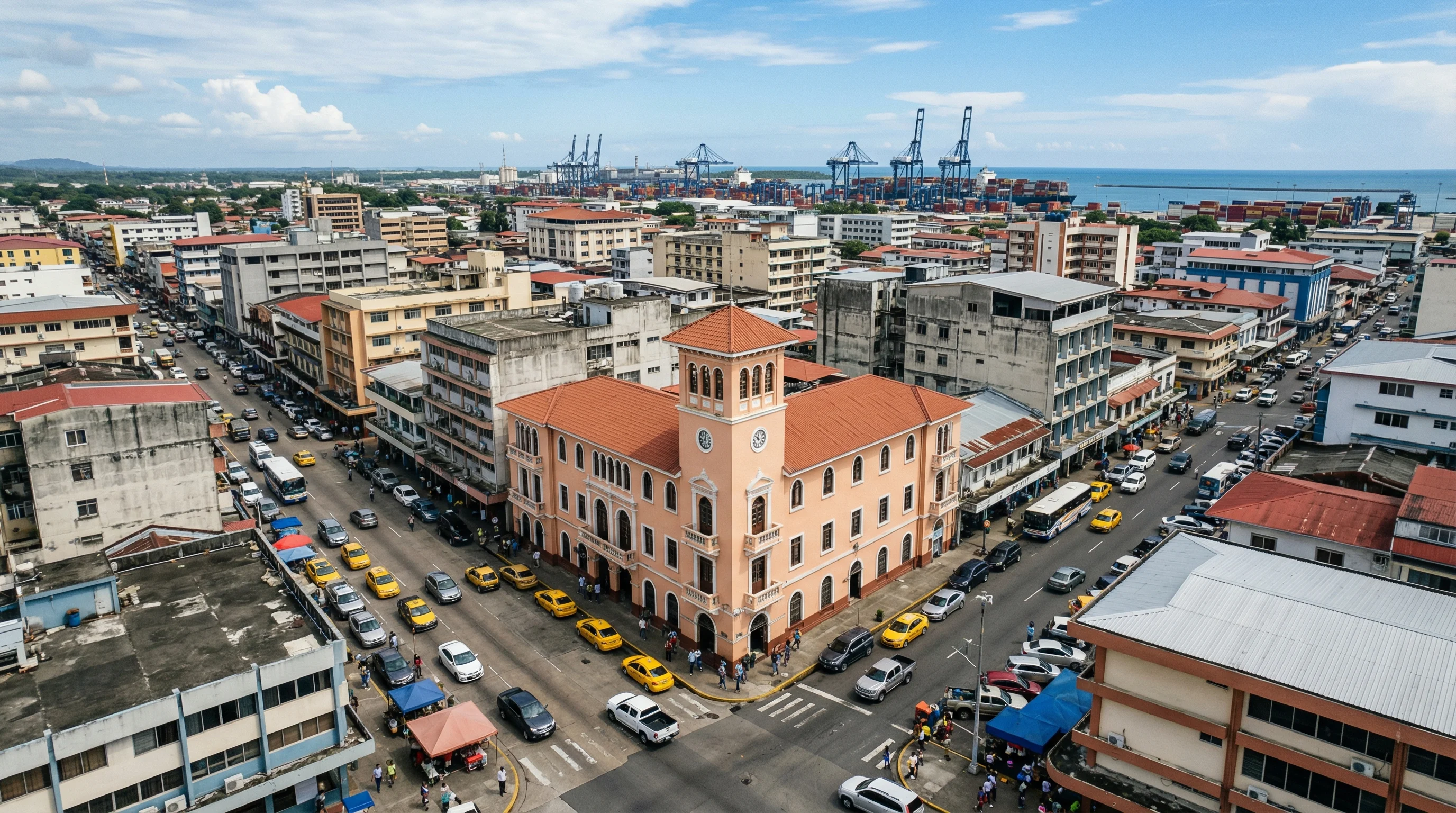
Colón, located on the Atlantic coast of Panama, is a strategic logistics destination as the primary maritime gateway to the Panama Canal. It hosts the Colón Free Trade Zone (ZLC), the largest free port in the Americas, which serves as a major redistribution hub for goods entering and exiting Latin America. Key industries in the region include logistics and distribution services, import/export trading, light manufacturing, and agribusiness support. The destination benefits from world-class infrastructure, including the Port of Colón (Manzanillo International Terminal) for container shipping, excellent connectivity via the Pan-American Highway (Vía Transístmica), and the canal's critical role in enabling efficient transoceanic transit for global supply chains.










