
Tallahassee to Colón
Colón → TallahasseeFTL freight transportation service between Tallahassee and Colón. Reliable logistics solutions for your business.
Route Description
Everything you need to know about the corridor Tallahassee - Colón
The logistics corridor between Tallahassee, Florida, and Colón, Panama, represents a vital cross-border connection spanning approximately 2,388 kilometers. This route links the southeastern United States with one of Central America's most important ports, facilitating trade between North and South American markets. The corridor traverses multiple countries and jurisdictions, requiring expert coordination of cross-border documentation, customs procedures, and transportation logistics. Control Terrestre specializes in managing these complex operations, ensuring seamless freight movement from origin to destination.
Tallahassee serves as a strategic gateway to Florida's extensive transportation network, with access to major interstate highways including I-10, which connects directly to the Gulf Coast and beyond. The region's economy is diverse, with significant activity in government services, education, healthcare, and agriculture. From Tallahassee, freight can access Florida's Atlantic and Gulf ports, creating multiple routing options for international shipments. The city's location away from major metropolitan congestion makes it an efficient origin point for time-sensitive cargo.
The corridor culminates in Colón, Panama, home to the Atlantic-side ports that form part of the Panama Canal's maritime infrastructure. Colón is a critical logistics hub, featuring the Colon Free Zone - one of the largest duty-free areas in the Americas - and container terminals capable of handling massive volumes of international trade. The region's economy is heavily oriented toward port activities, logistics services, and international commerce. Control Terrestre's expertise in cross-border operations ensures that freight moving through this corridor benefits from optimized routing, proper documentation handling, and reliable delivery schedules, regardless of the complexities involved in multi-country transportation.
Services for this Route
Available services for the corridor Tallahassee - Colón
 Origin
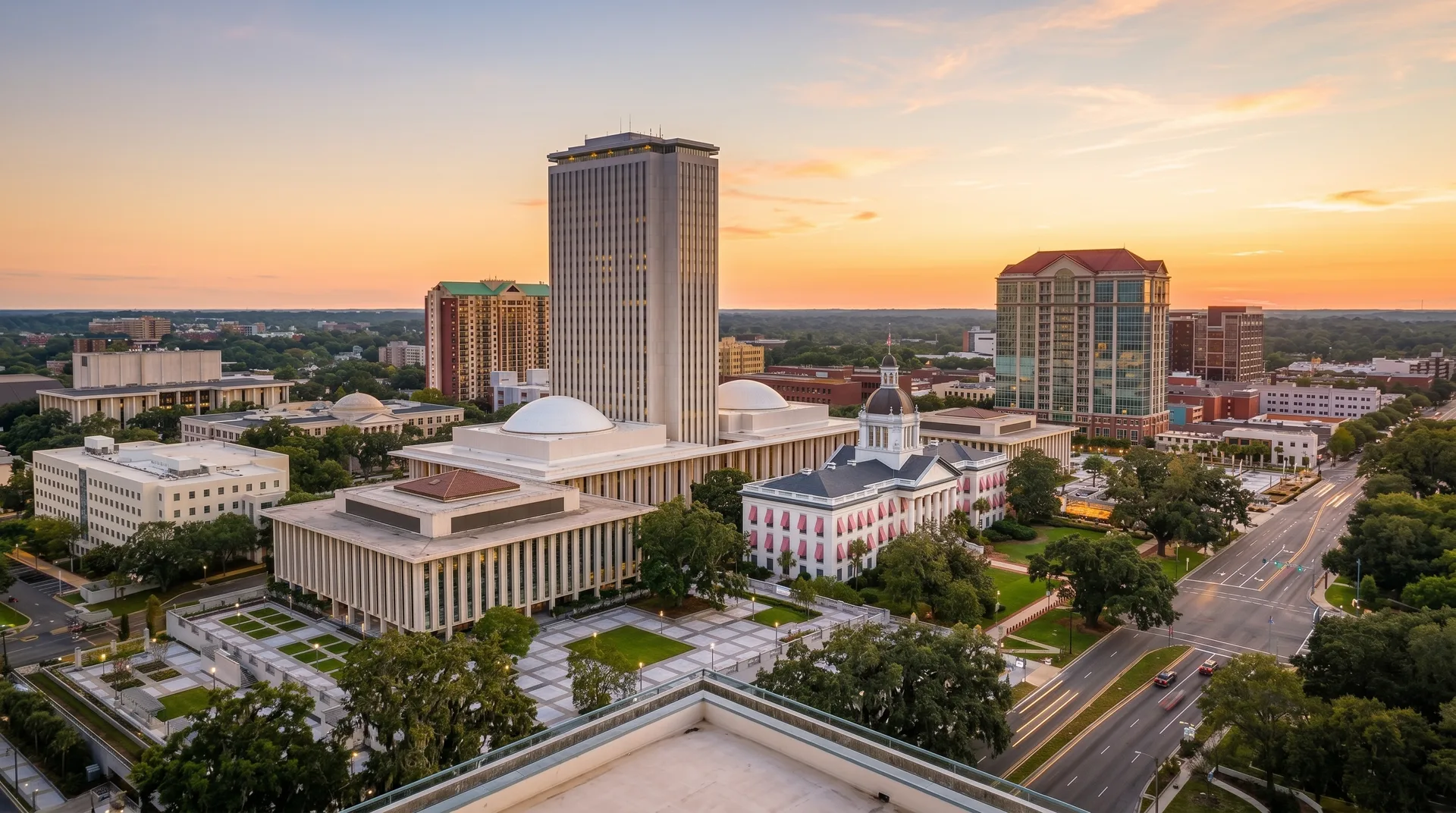
Tallahassee
Tallahassee, Florida, serves as a strategic logistics hub in the southeastern United States, offering excellent connectivity to major transportation networks. Located in the Florida Panhandle, Tallahassee provides access to I-10, a major east-west interstate that connects to Jacksonville, Mobile, and New Orleans, facilitating efficient freight movement across the Gulf Coast region. The city's proximity to both Atlantic and Gulf ports gives shippers multiple options for international freight consolidation and distribution. Tallahassee's transportation infrastructure includes a regional airport, rail connections through CSX Transportation, and well-maintained highway systems that support year-round freight operations. The region's diverse economy, anchored by government services, education, and agriculture, generates consistent freight volumes that benefit from the city's central location within Florida's logistics network.
 Destination
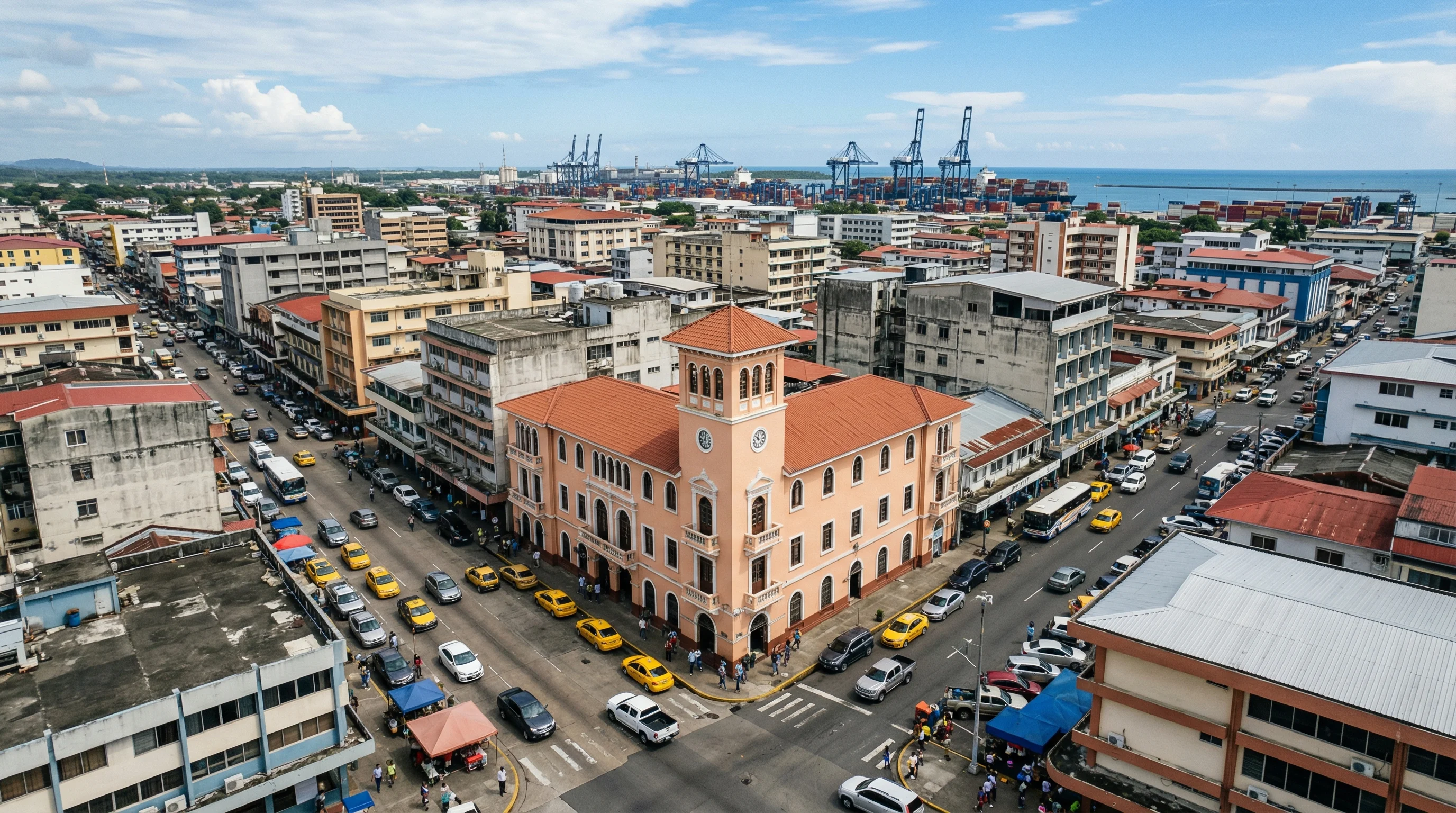
Colón, Panama, stands as one of Central America's most strategic logistics hubs, primarily due to its position on the Atlantic side of the Panama Canal. The city hosts the Colon Free Zone, the largest free trade zone in the Western Hemisphere, which processes billions of dollars in merchandise annually and generates substantial freight movement. Colón's port facilities include container terminals operated by major shipping lines, providing direct connections to global maritime routes. The region's transportation infrastructure features modern highways connecting to Panama City and the rest of the country, as well as rail links that run parallel to the Panama Canal. Colón's economy is heavily focused on port activities, logistics services, and international trade, making it a critical gateway for freight moving between North and South America. The area's tropical climate and proximity to the canal create unique considerations for temperature-sensitive and time-critical shipments.










